Jobsglint
Explore 74 amazing blog posts in this category
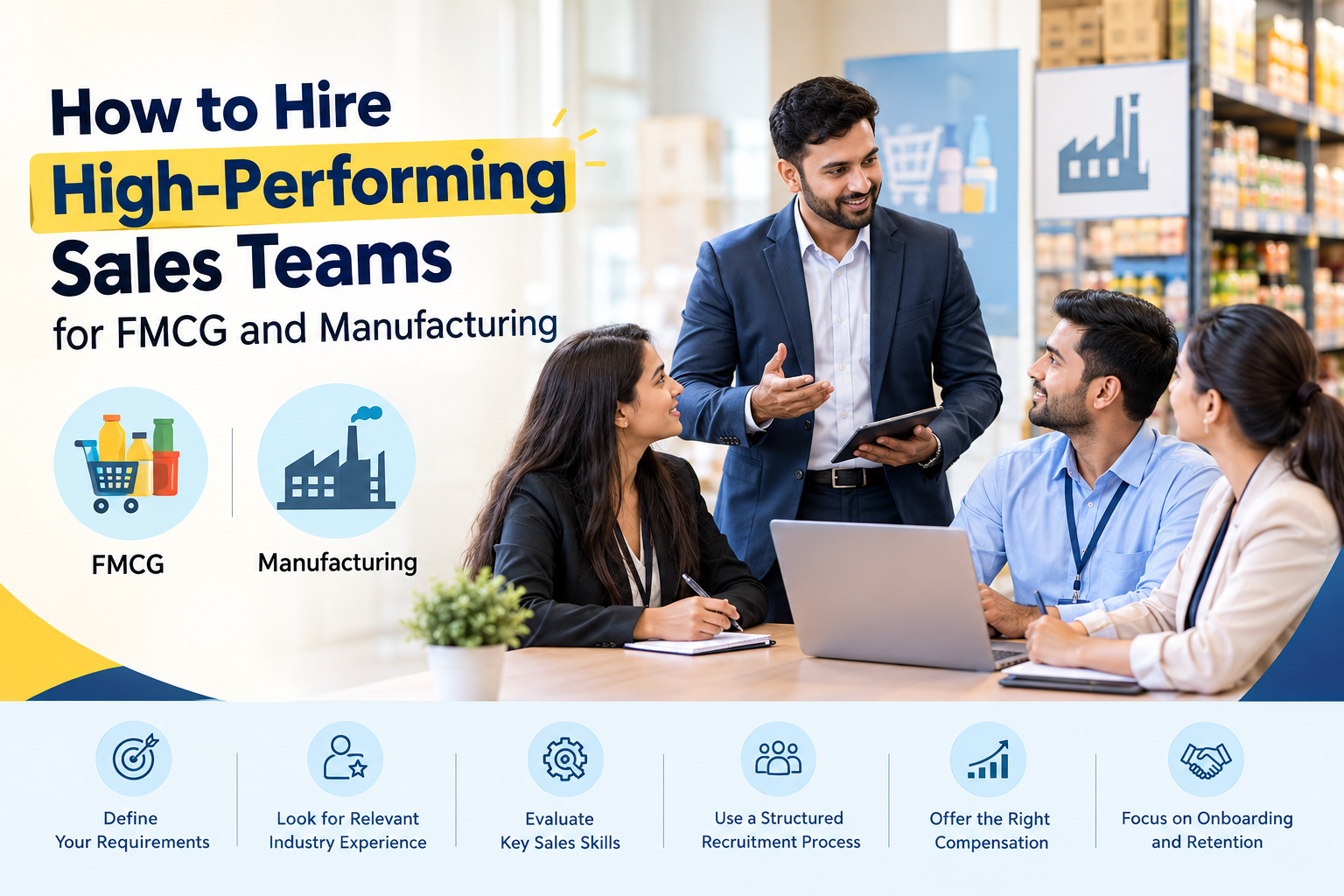
How to Hire High-Performing Sales Teams for FMCG and Manufacturing
Companies need professionals who understand their products, communicate effectively, negotiate confidently, and consistently achieve targets. A well-planned recruitment strategy helps businesses attract capable candidates and build high-performing sales teams that deliver sustainable results.
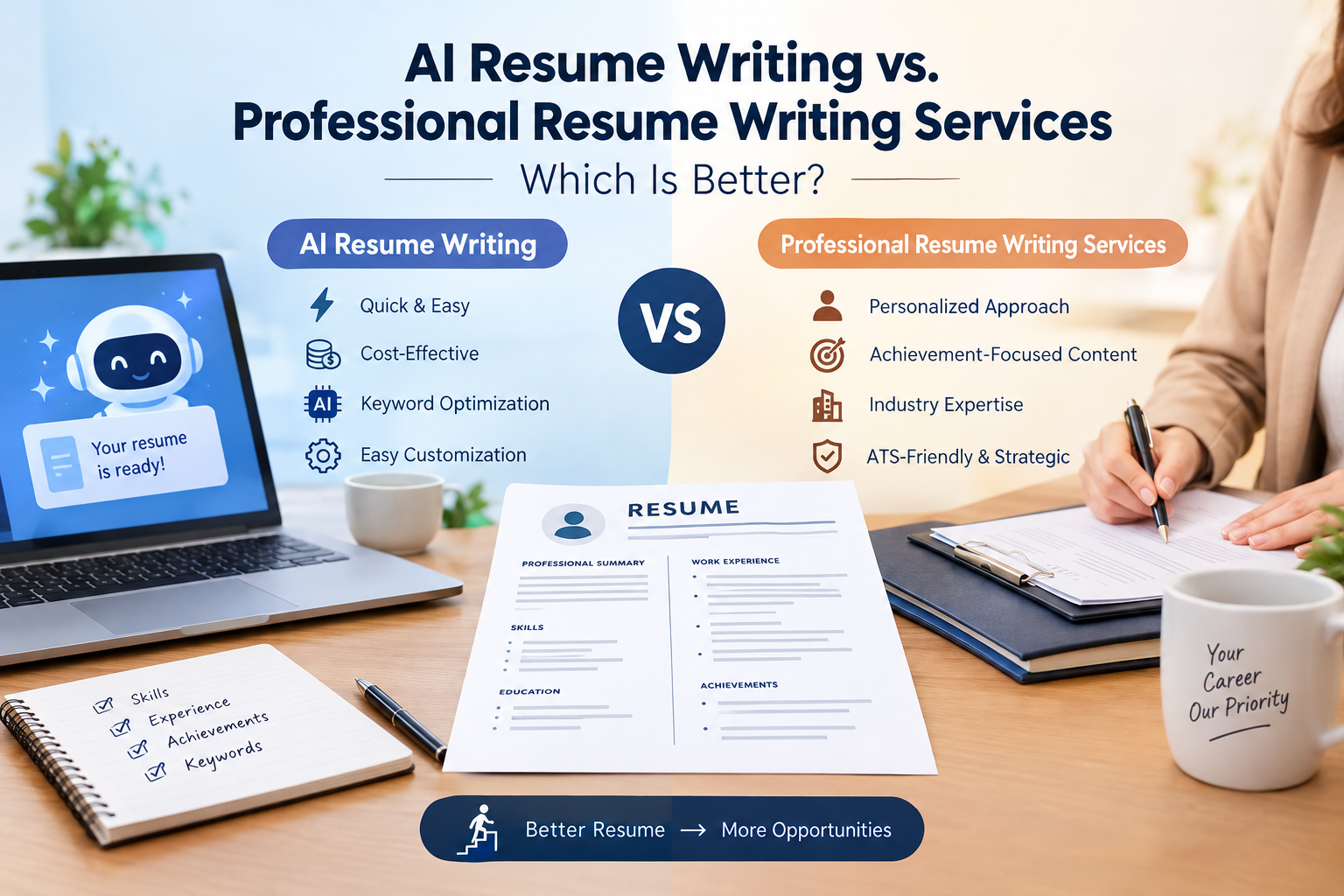
AI Resume Writing vs. Professional Resume Writing Services: Which Is Better?
Both approaches can help create a polished resume, but they differ in personalization, accuracy, industry understanding, and strategic presentation. Understanding these differences can help you choose the right approach for your career goals.
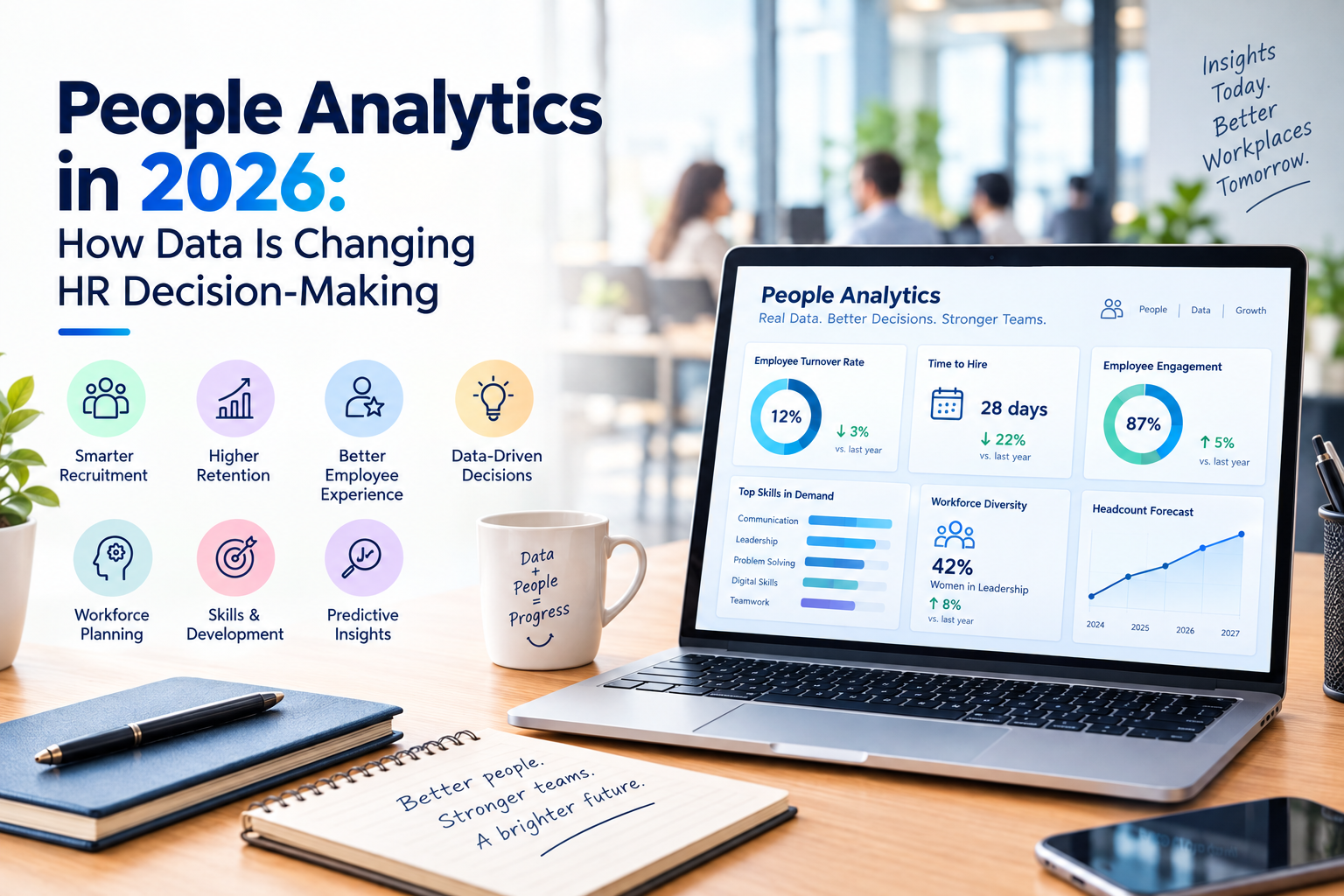
People Analytics in 2026: How Data Is Changing HR Decision-Making
People analytics is the practice of collecting, analysing and interpreting employee and workforce data to support better HR and business decisions.
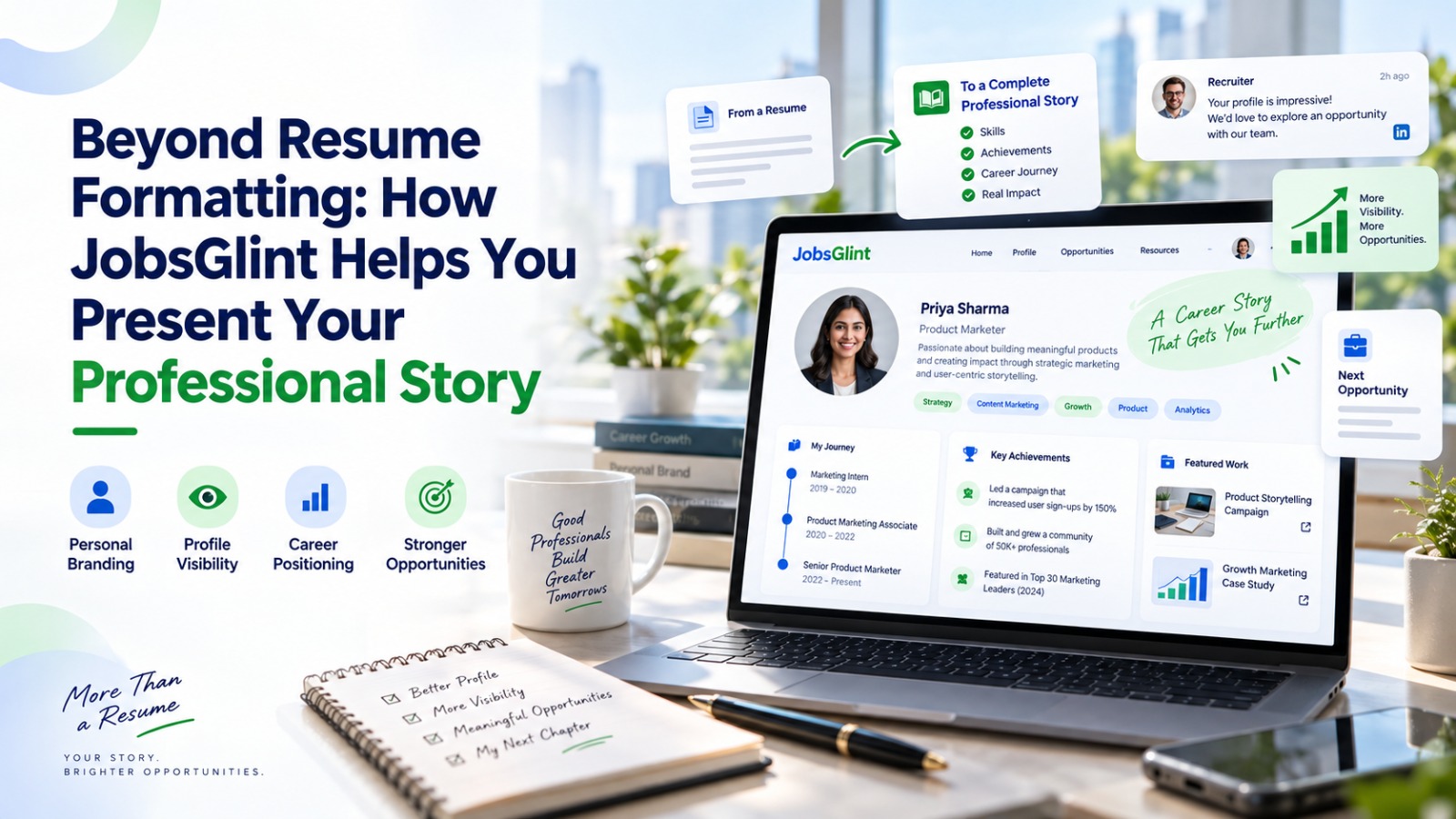
Beyond Resume Formatting: How JobsGlint Helps You Present Your Professional Story
JobsGlint focuses on helping job seekers present their professional story in a clear, relevant, and structured way, going beyond basic resume formatting.
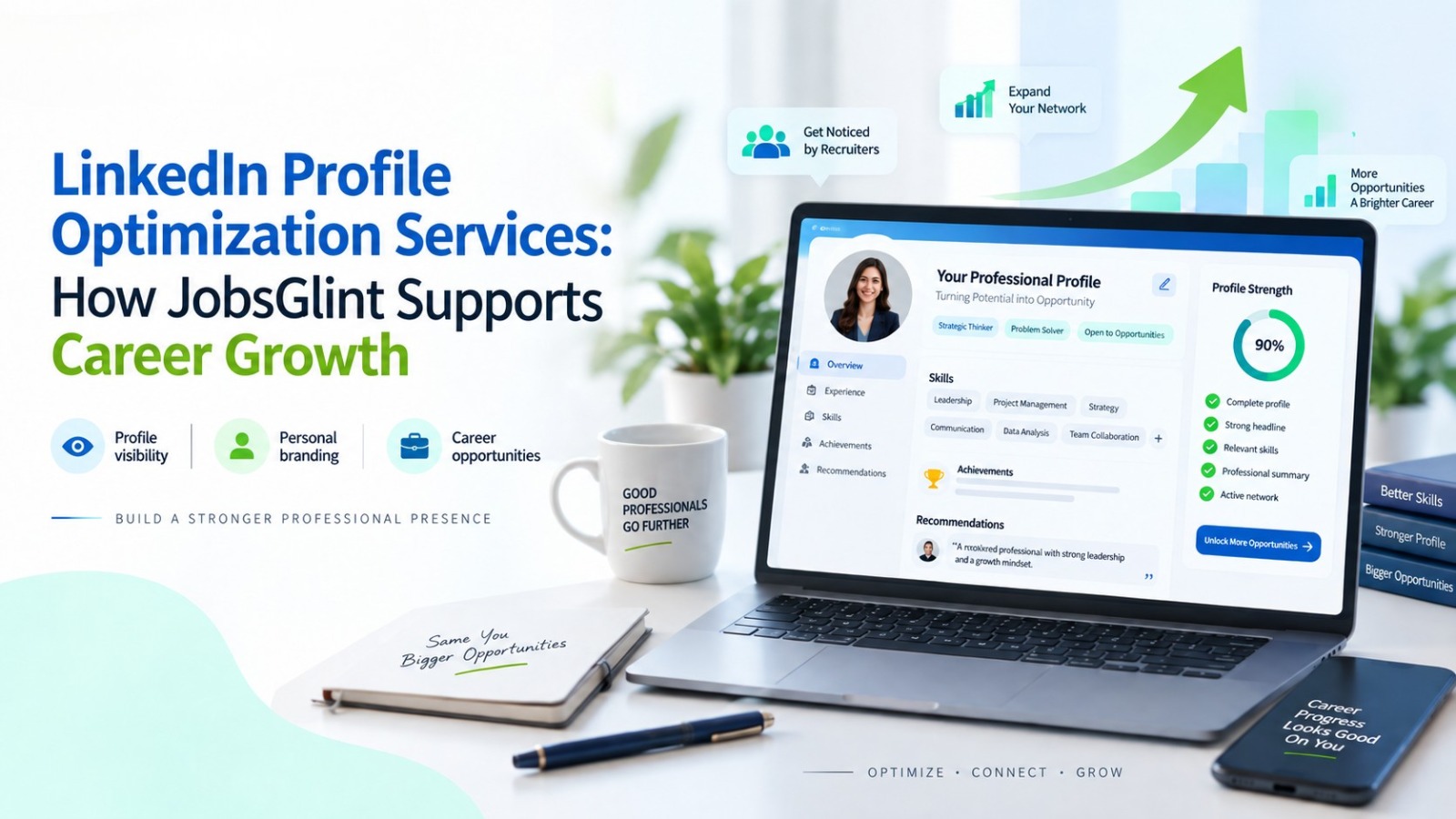
LinkedIn Profile Optimization Services: How JobsGlint Supports Career Growth
JobsGlint helps professionals strengthen their LinkedIn presence and create profiles that better represent their professional journey.
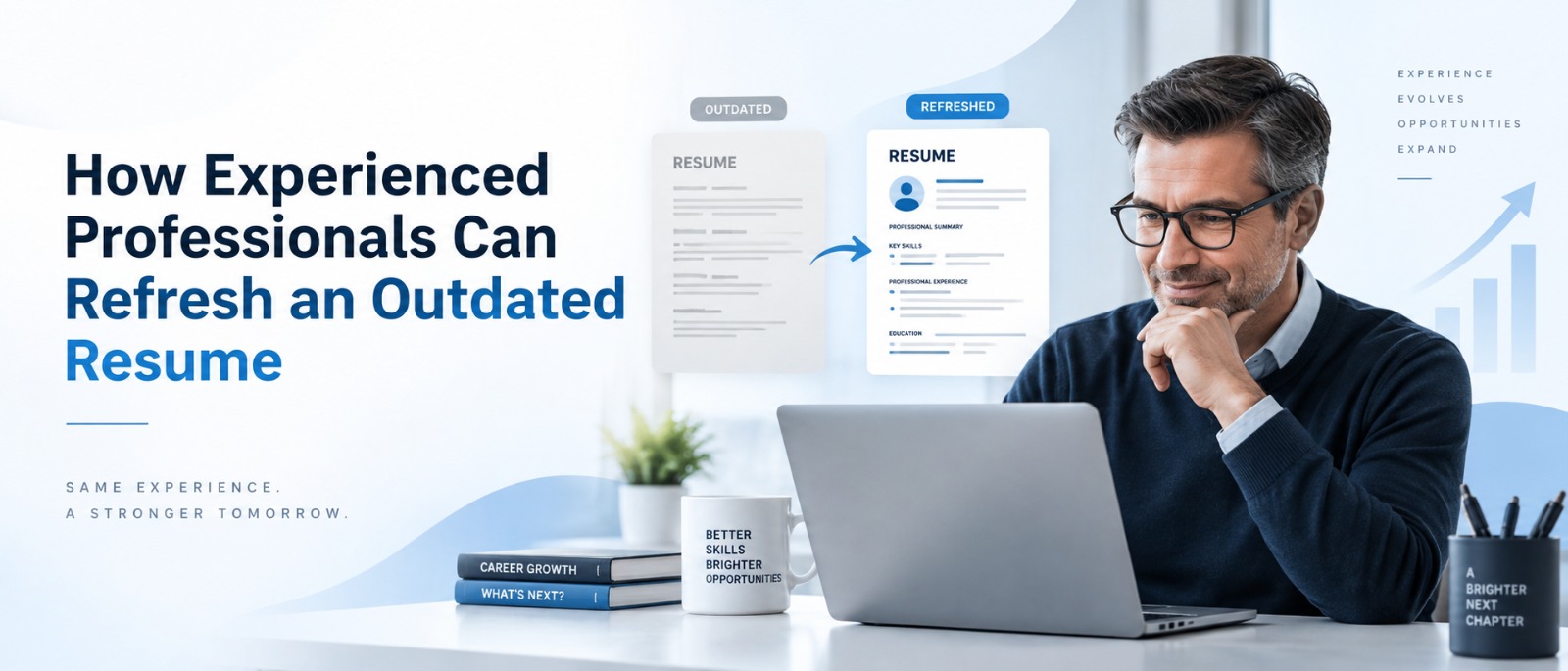
How Experienced Professionals Can Refresh an Outdated Resume
With the right approach, an updated resume can help experienced candidates present their career journey more effectively and improve their chances of getting noticed by recruiters.

How Employers Can Use Job Portals to Hire Across Multiple Industries
Job portals provide employers with a centralized and efficient way to advertise vacancies, connect with job seekers, manage applications, and build a stronger talent pipeline.
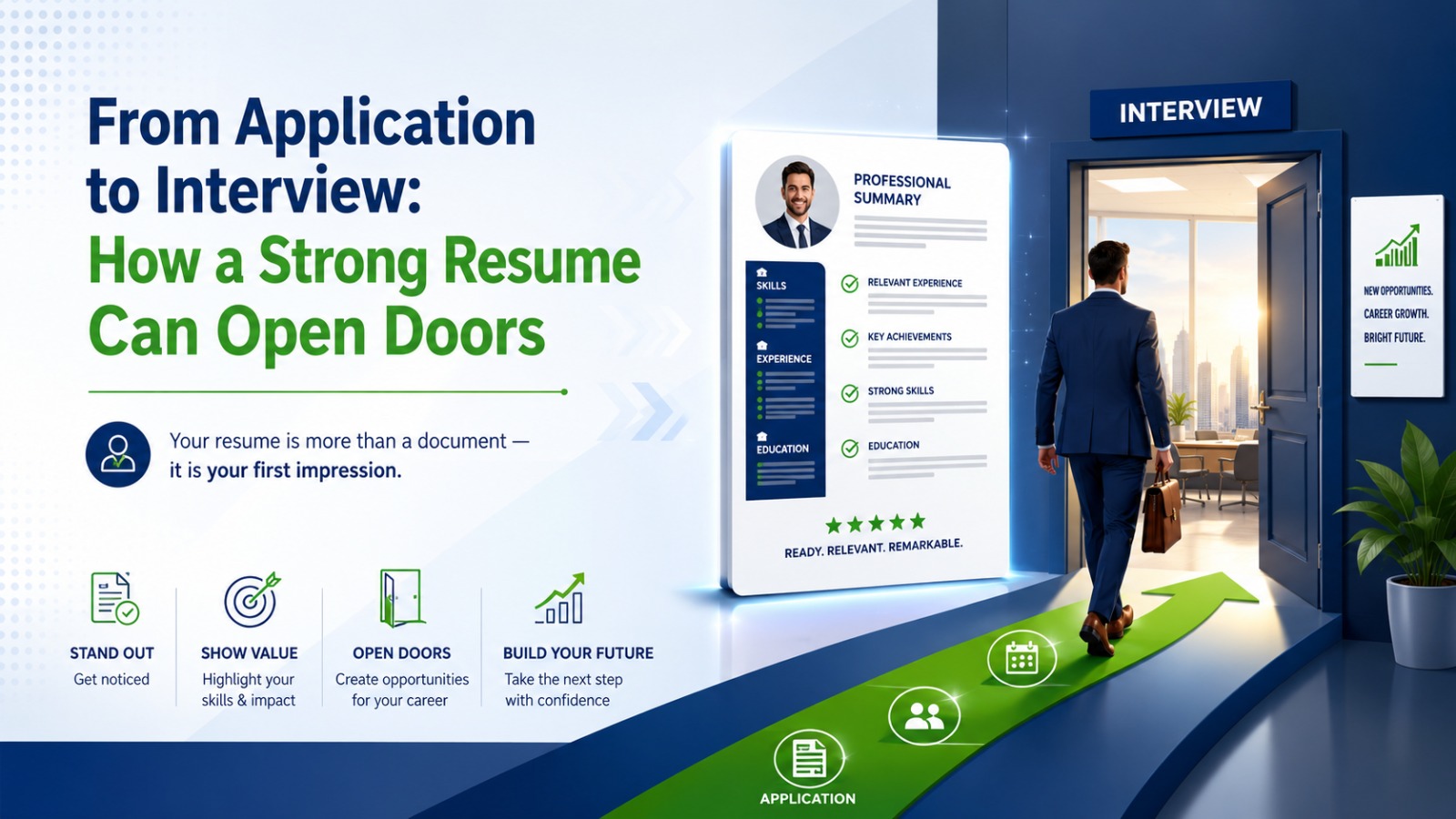
From Application to Interview: How a Strong Resume Can Open Doors
From getting past an Applicant Tracking System (ATS) to securing an interview, a well-written resume can significantly improve your chances of moving forward in the hiring process.
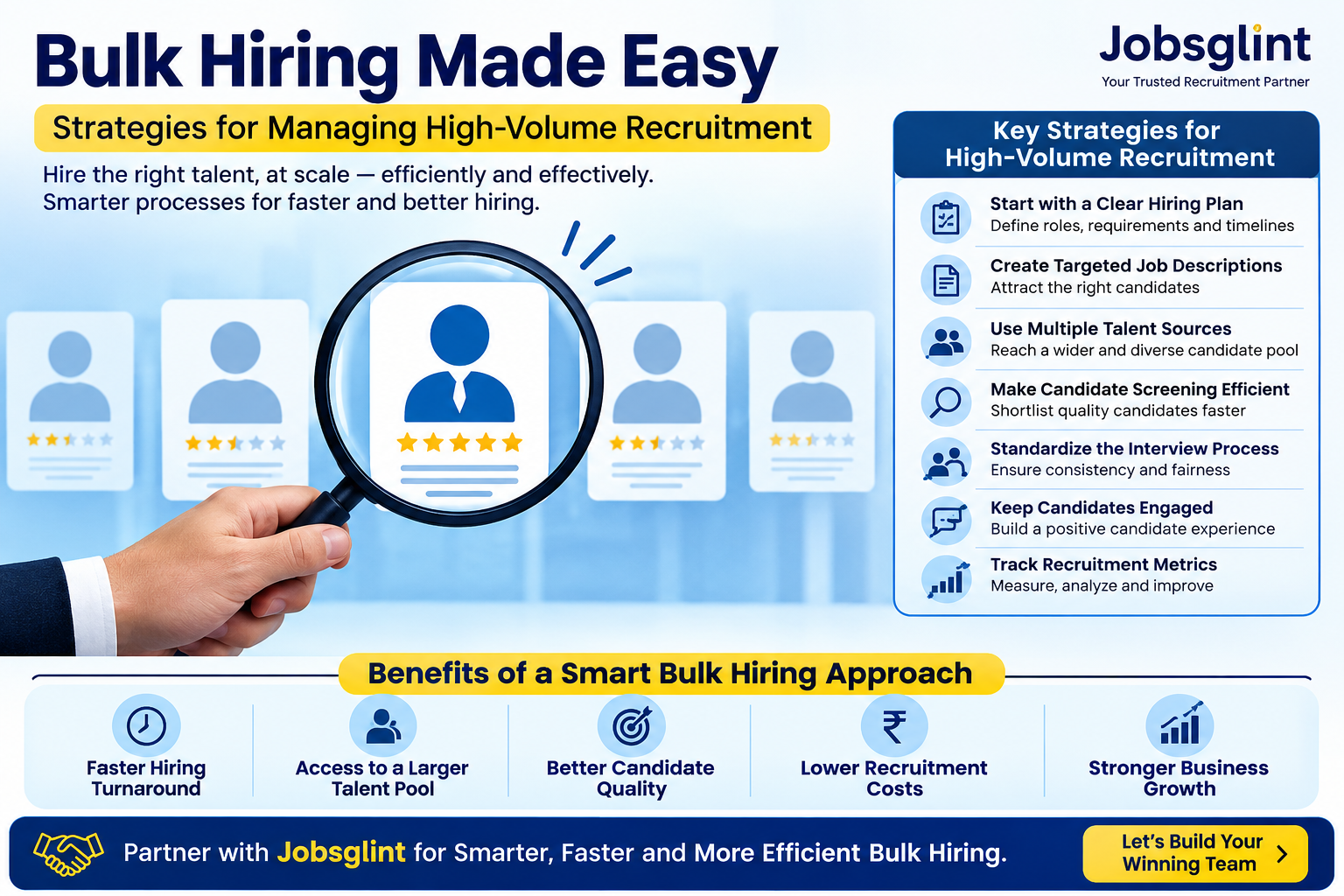
Bulk Hiring Made Easy: Strategies for Managing High-Volume Recruitment
For businesses expanding rapidly, opening new locations, managing seasonal demand, or scaling operations, bulk recruitment can become essential. However, handling a large number of applications manually can consume significant time and resources. This is where structured recruitment processes and professional recruitment services can make a meaningful difference.
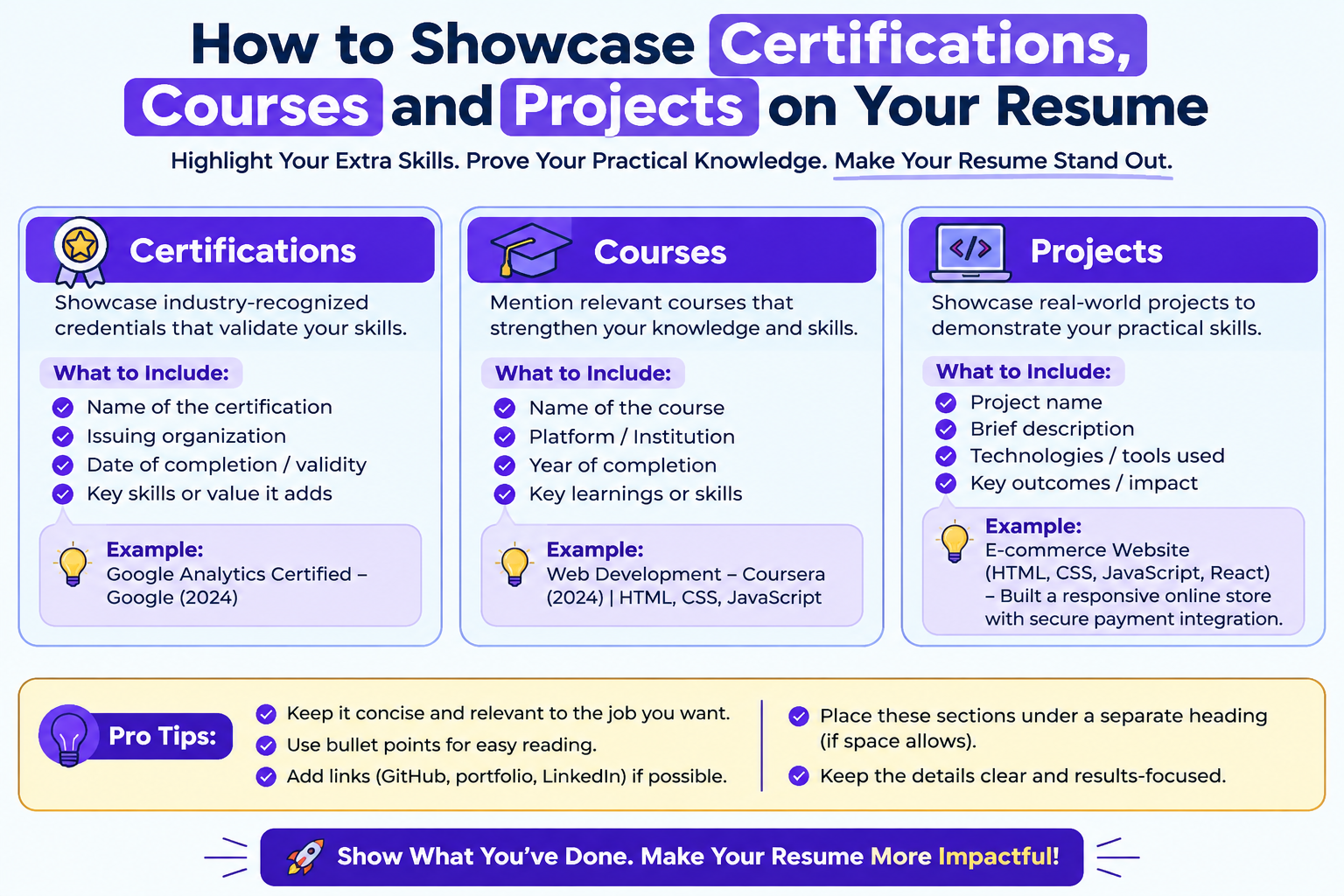
How to Showcase Certifications, Courses and Projects on Your Resume
However, simply creating a long list of certificates or projects is not enough. The key is to highlight the experiences that are relevant to your target position and explain the skills or outcomes behind them.
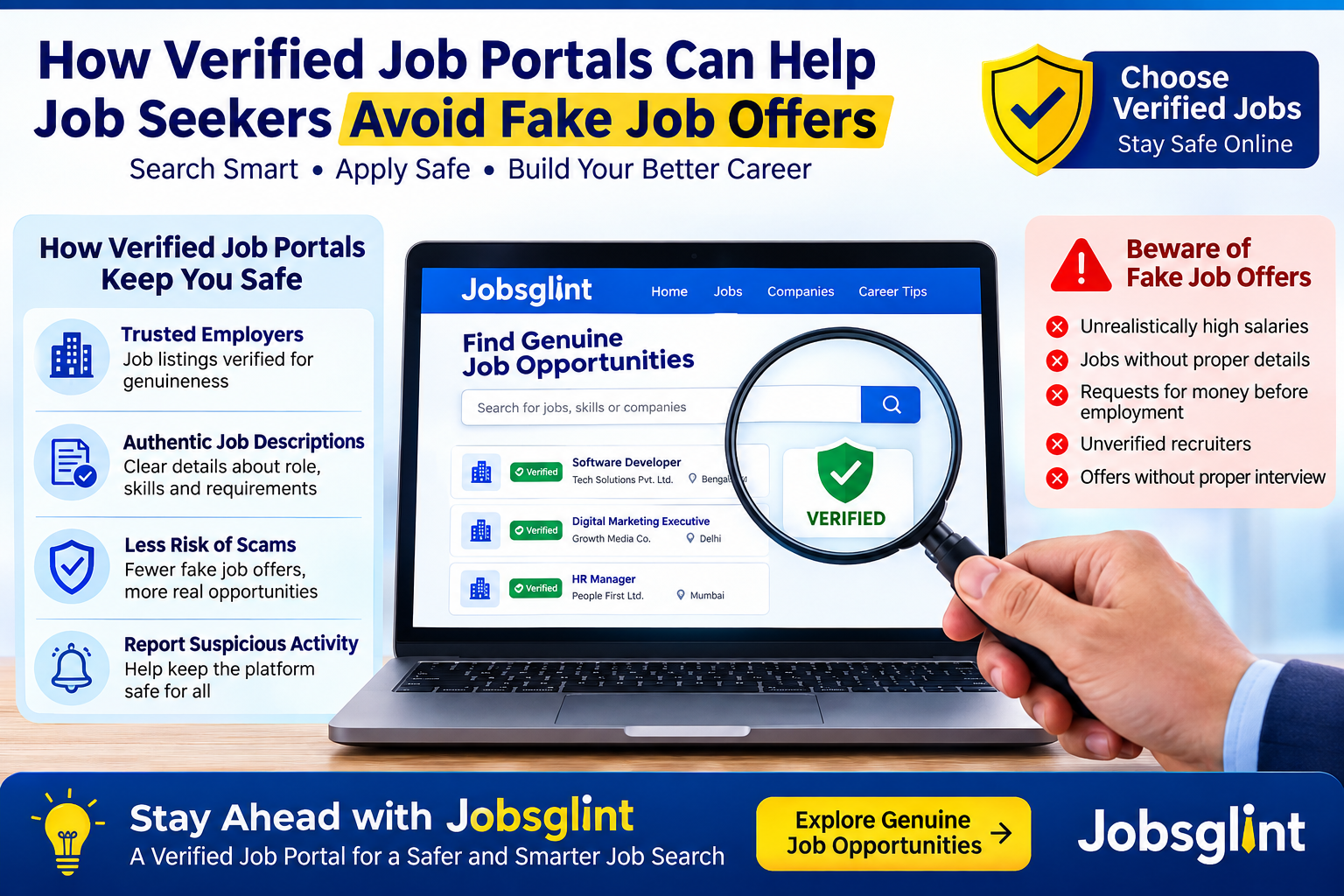
How Verified Job Portals Can Help Job Seekers Avoid Fake Job Offers
Platforms such as Jobsglint can help candidates discover legitimate opportunities while reducing the risks associated with fraudulent job offers. Understanding how verified job portals work and what candidates should look for can make online job searching considerably safer.
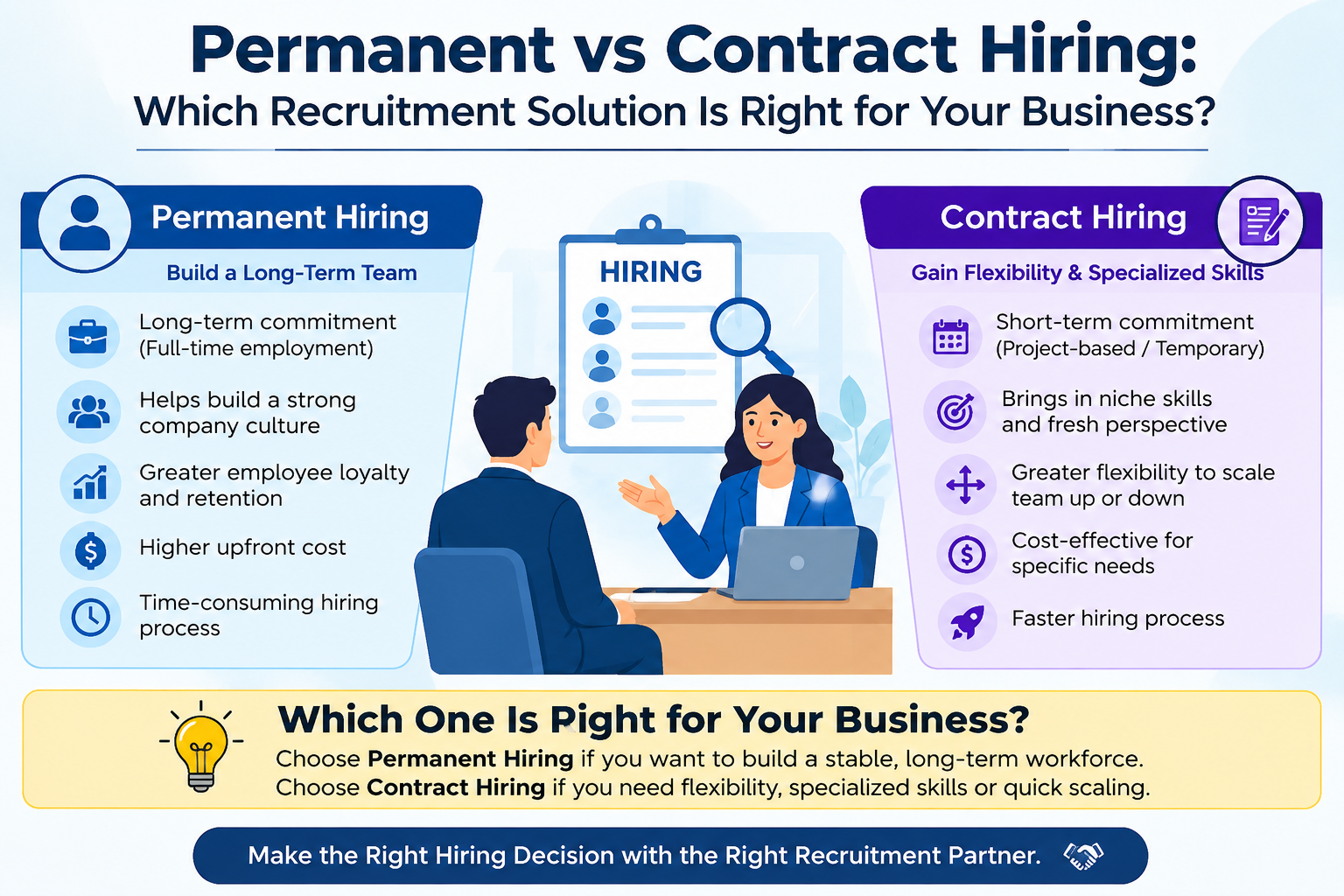
Permanent vs Contract Hiring: Which Recruitment Solution Is Right for Your Business?
Both permanent and contract hiring have their own advantages. The right choice depends on factors such as business goals, project duration, budget, skill requirements, workforce flexibility, and future growth plans. Understanding the differences can help businesses build a more effective recruitment strategy.
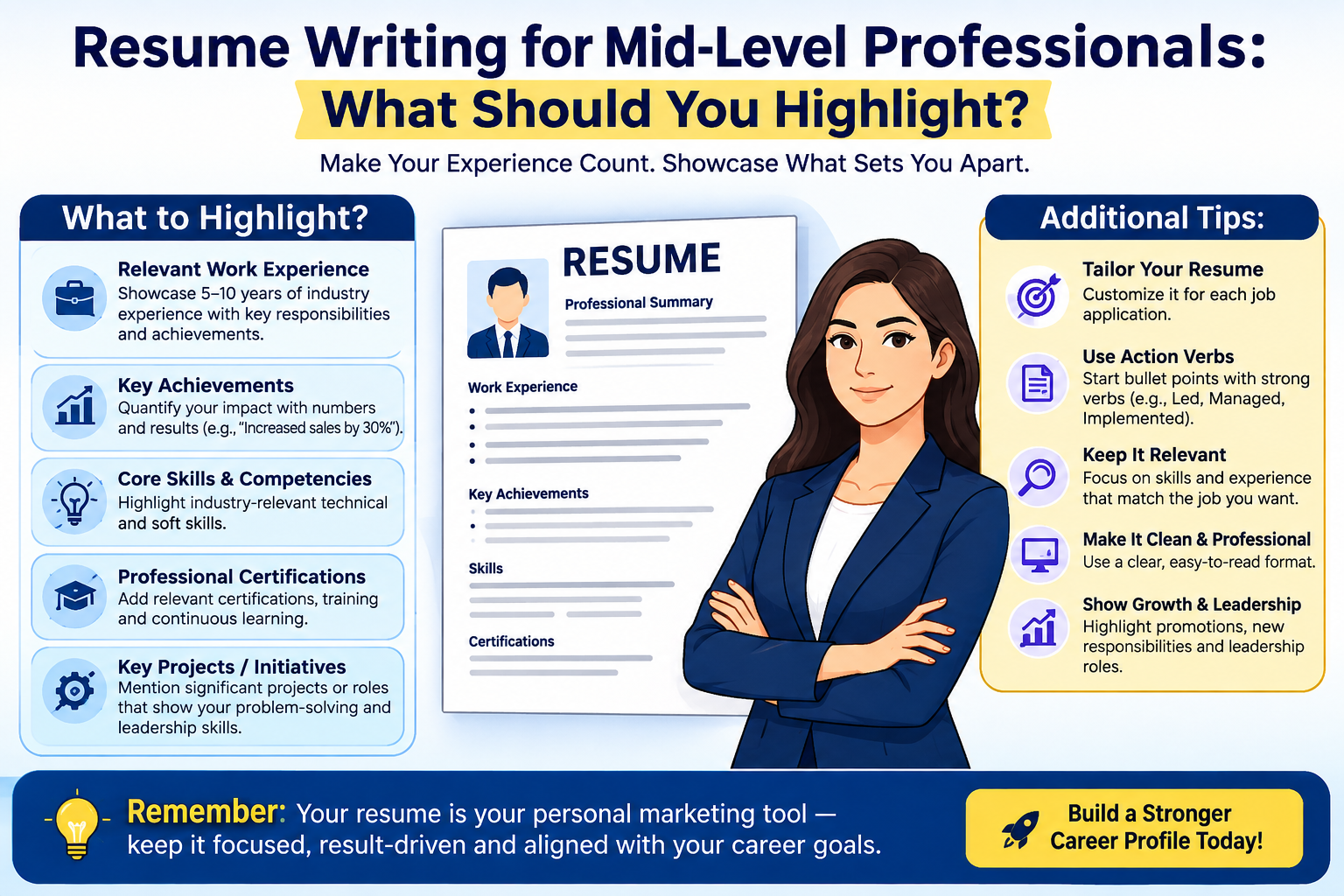
Resume Writing for Mid-Level Professionals: What Should You Highlight?
At this stage, recruiters are usually less interested in simply knowing where you worked and more interested in understanding your impact, expertise, leadership ability, and career progression. A strong mid-level resume should therefore move beyond basic responsibilities and focus on measurable achievements and relevant skills.
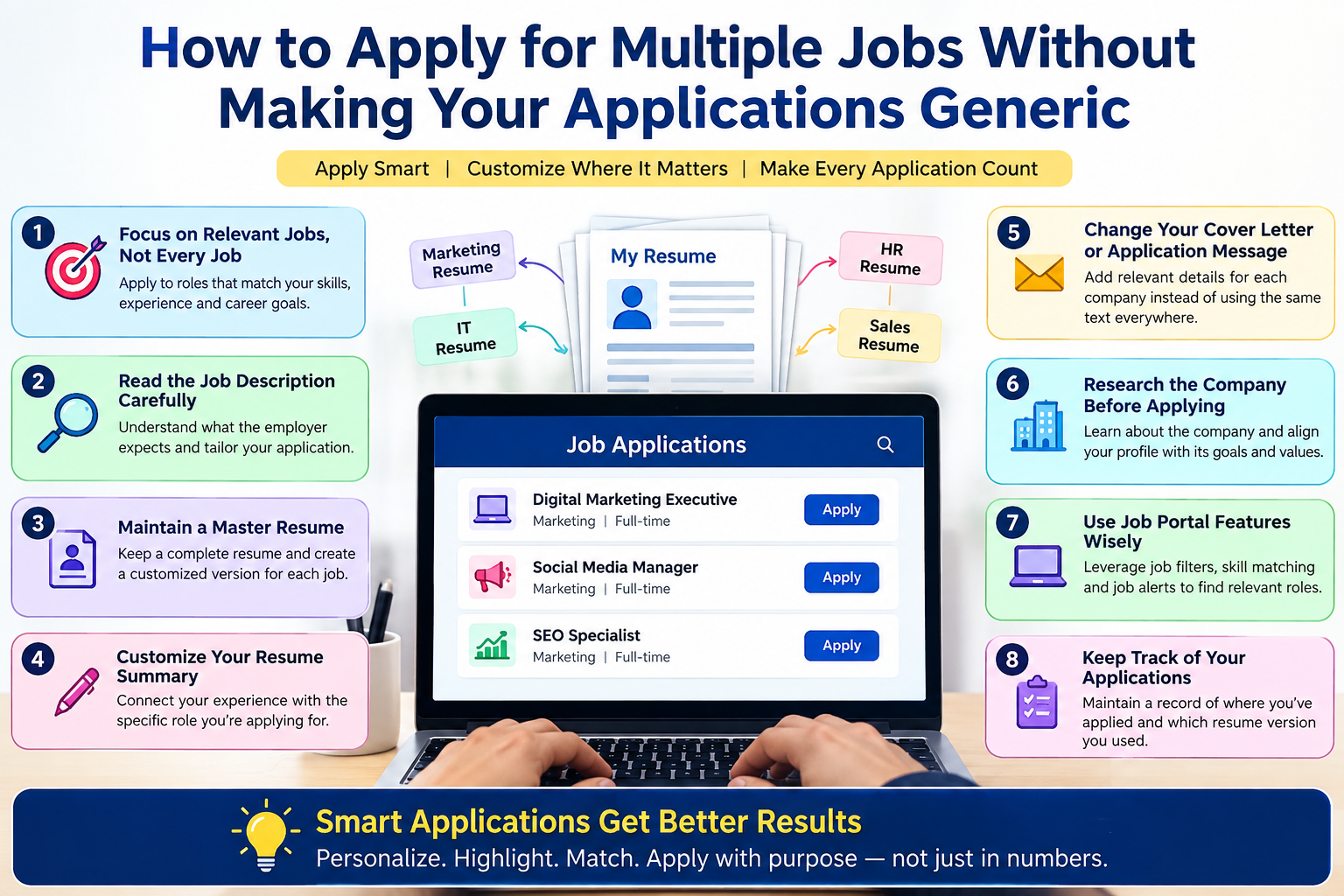
How to Apply for Multiple Jobs Without Making Your Applications Generic
Applying for multiple jobs is completely fine. In fact, using a job portal can make the process faster and more efficient. The key is to avoid making every application look identical. A well-planned approach allows you to apply to several relevant positions while still showing employers why you are a suitable candidate.
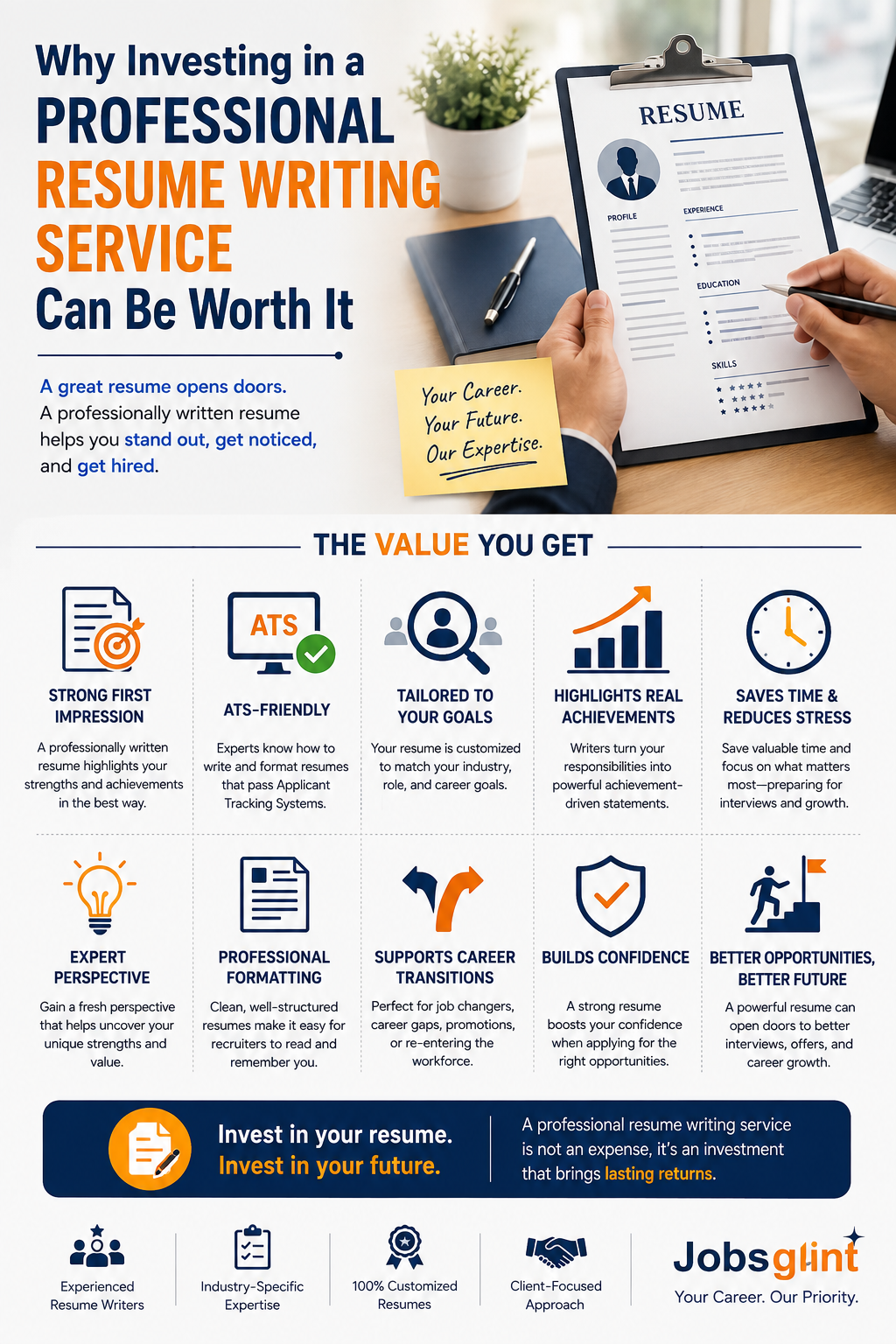
Why Investing in a Professional Resume Writing Service Can Be Worth It
A professionally written resume is not simply about using attractive formatting or adding impressive words. It is about presenting your experience strategically and communicating the value you can bring to an employer.
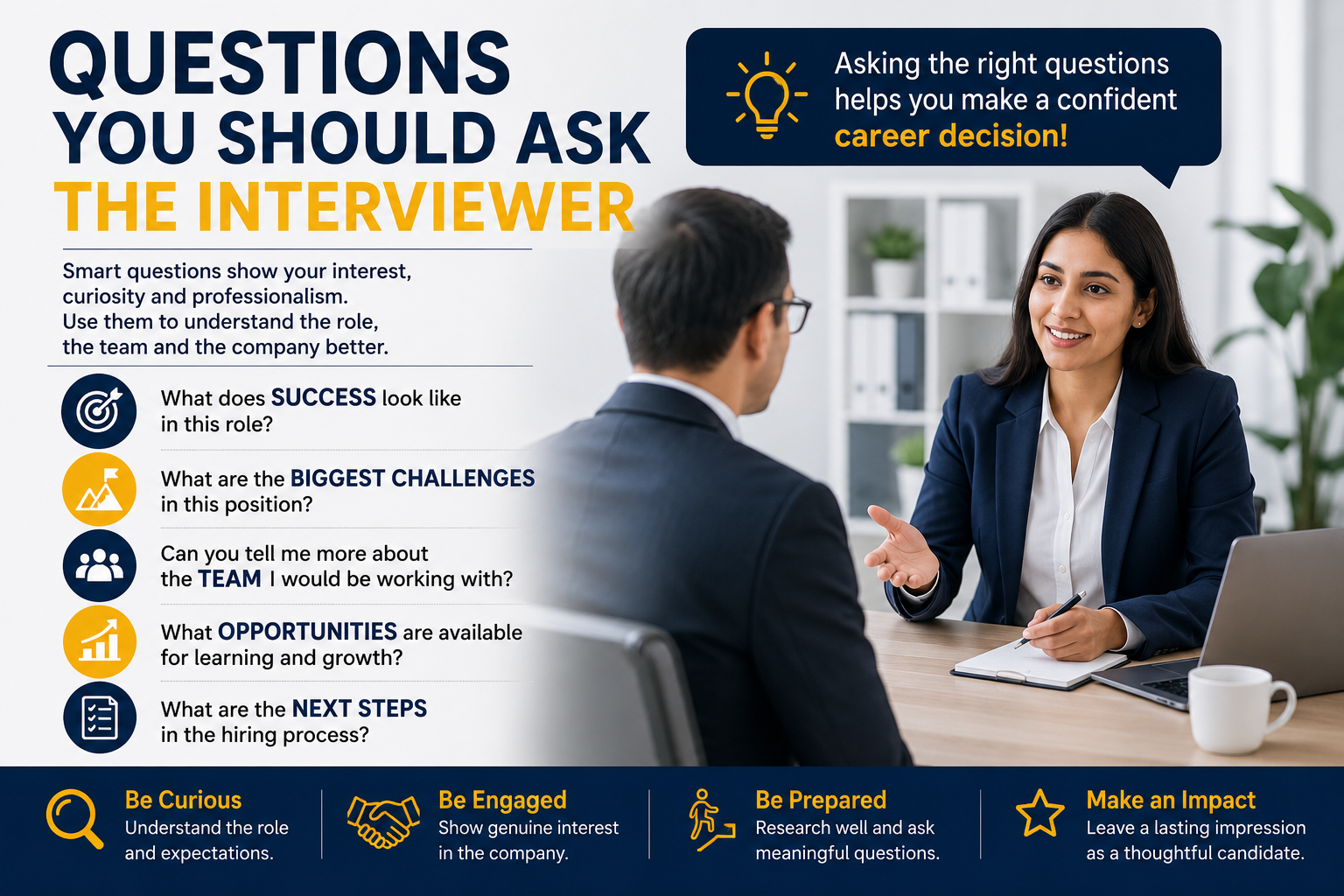
Questions You Should Ask the Interviewer: A Smart Candidate’s Guide to Making a Strong Impression
At the end of an interview, you will often hear, “Do you have any questions for us?” Saying “No, I think everything has been covered” may seem safe, but it can mean missing a valuable opportunity. Well-prepared questions demonstrate your interest, curiosity, professionalism and desire to make an informed career decision.
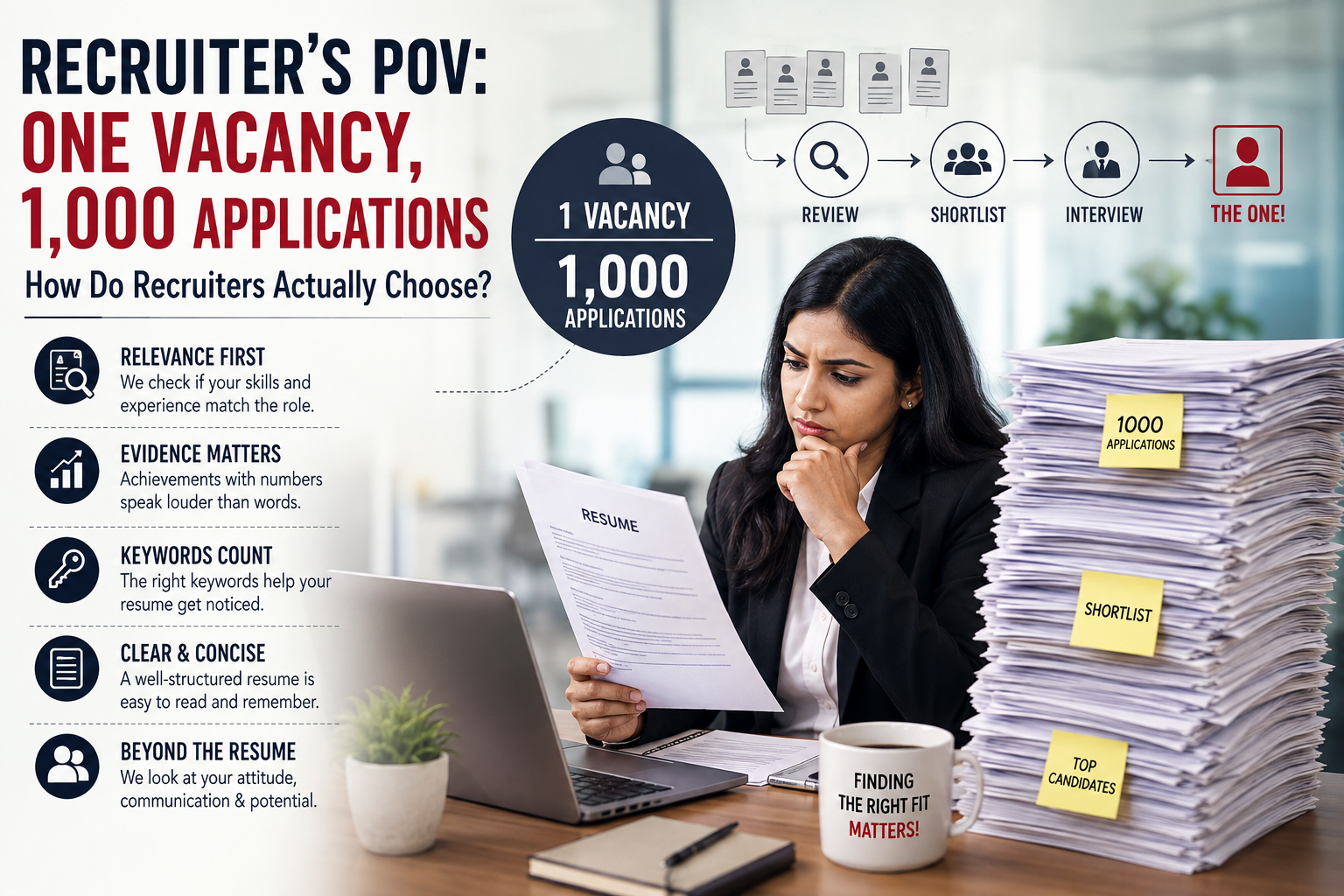
Recruiter's POV: One Vacancy, 1,000 Applications — How Do Recruiters Actually Choose?
Understanding the recruiter’s perspective can help job seekers create stronger applications and improve their chances of reaching the interview stage.

Career Change Resume: How to Highlight Transferable Skills
Employers increasingly look for candidates who can communicate effectively, solve problems, lead teams, and adapt quickly, regardless of their previous industry. The key is presenting these skills in a way that matches the requirements of your target role.
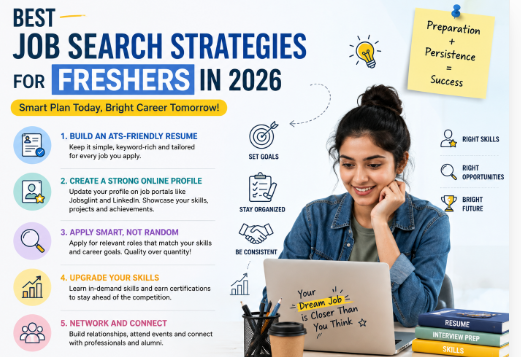
Best Job Search Strategies for Freshers in 2026
Whether you're looking for your first full-time job, an internship, or a graduate trainee role, following the right approach can significantly improve your chances of getting shortlisted and hired. Here are the most effective job search strategies every fresher should follow in 2026.
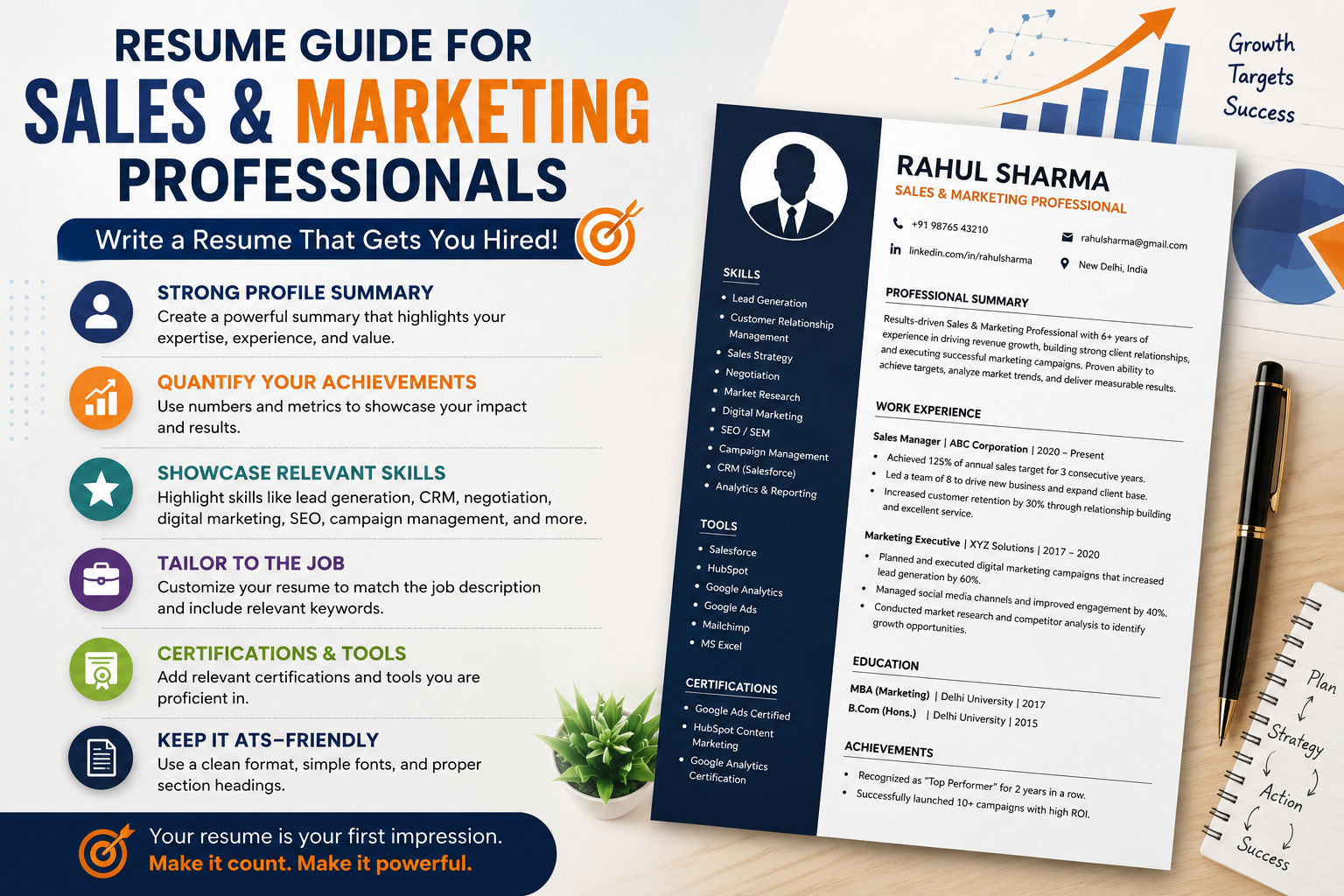
Resume Guide for Sales & Marketing Professionals: How to Create a Resume That Wins Interviews
Whether you are a fresher entering the industry or an experienced sales or marketing professional seeking career advancement, your resume should clearly communicate your achievements, skills, and potential. This guide explains how to create an ATS-friendly, recruiter-focused resume that increases your chances of securing interviews.
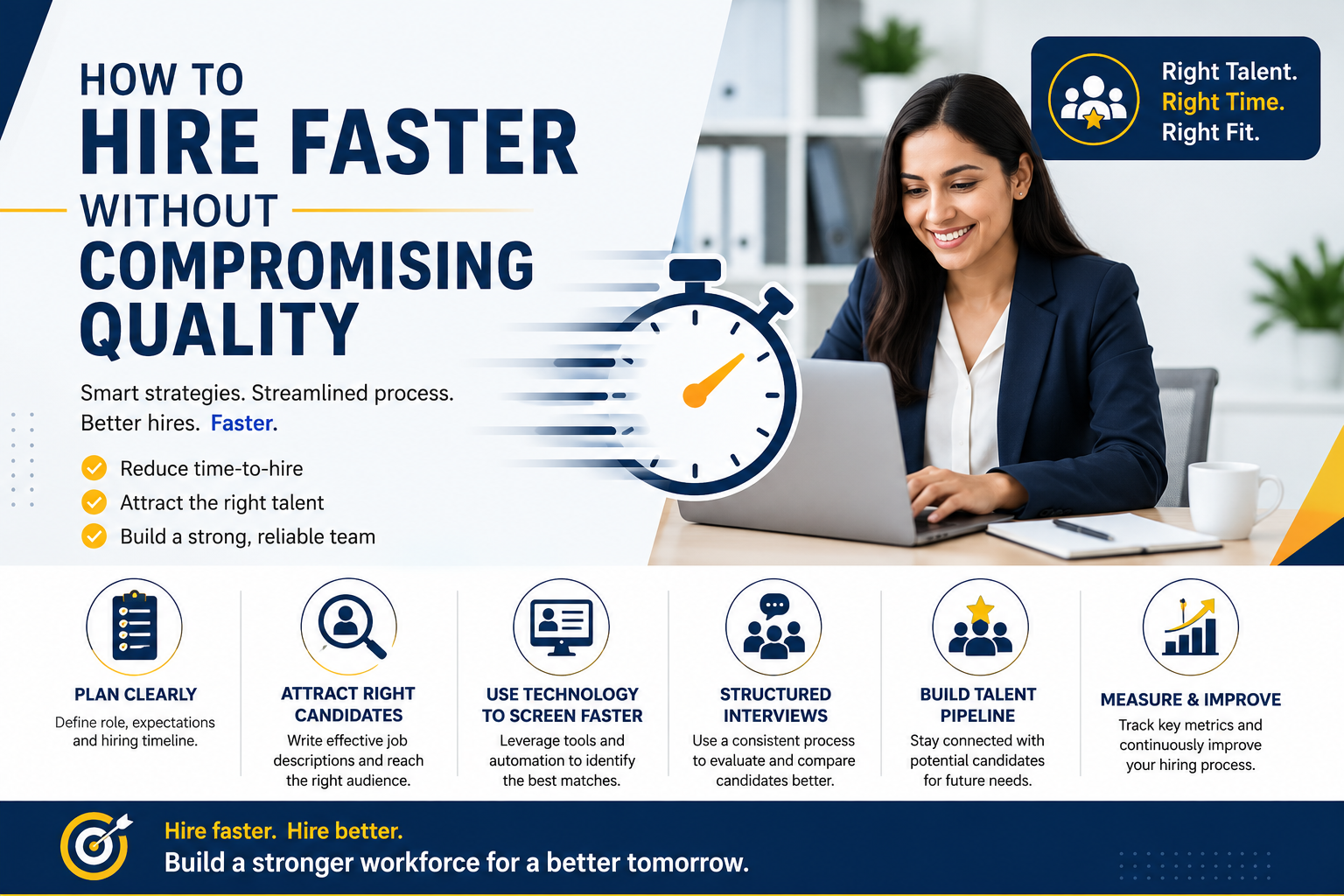
How to Hire Faster Without Compromising Quality
At Jobsglint, we believe that fast hiring is not about cutting corners—it's about eliminating unnecessary delays while maintaining a thorough evaluation process.
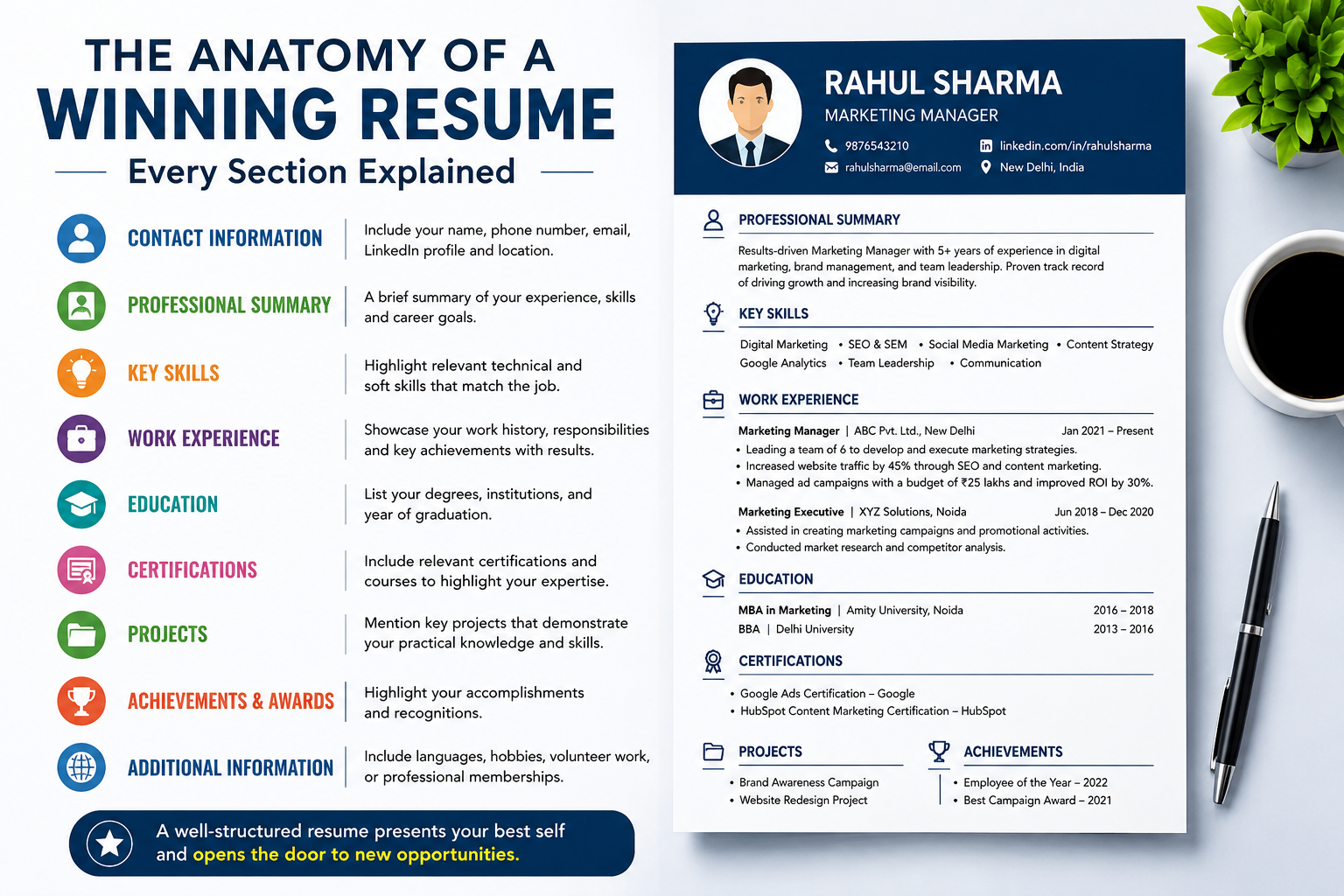
The Anatomy of a Winning Resume: Every Section Explained
A well-structured, ATS-friendly resume not only improves your chances of passing automated screening systems but also leaves a strong impression on hiring managers. Understanding the purpose of each section and presenting the right information in the right way can make the difference between getting noticed and being overlooked.
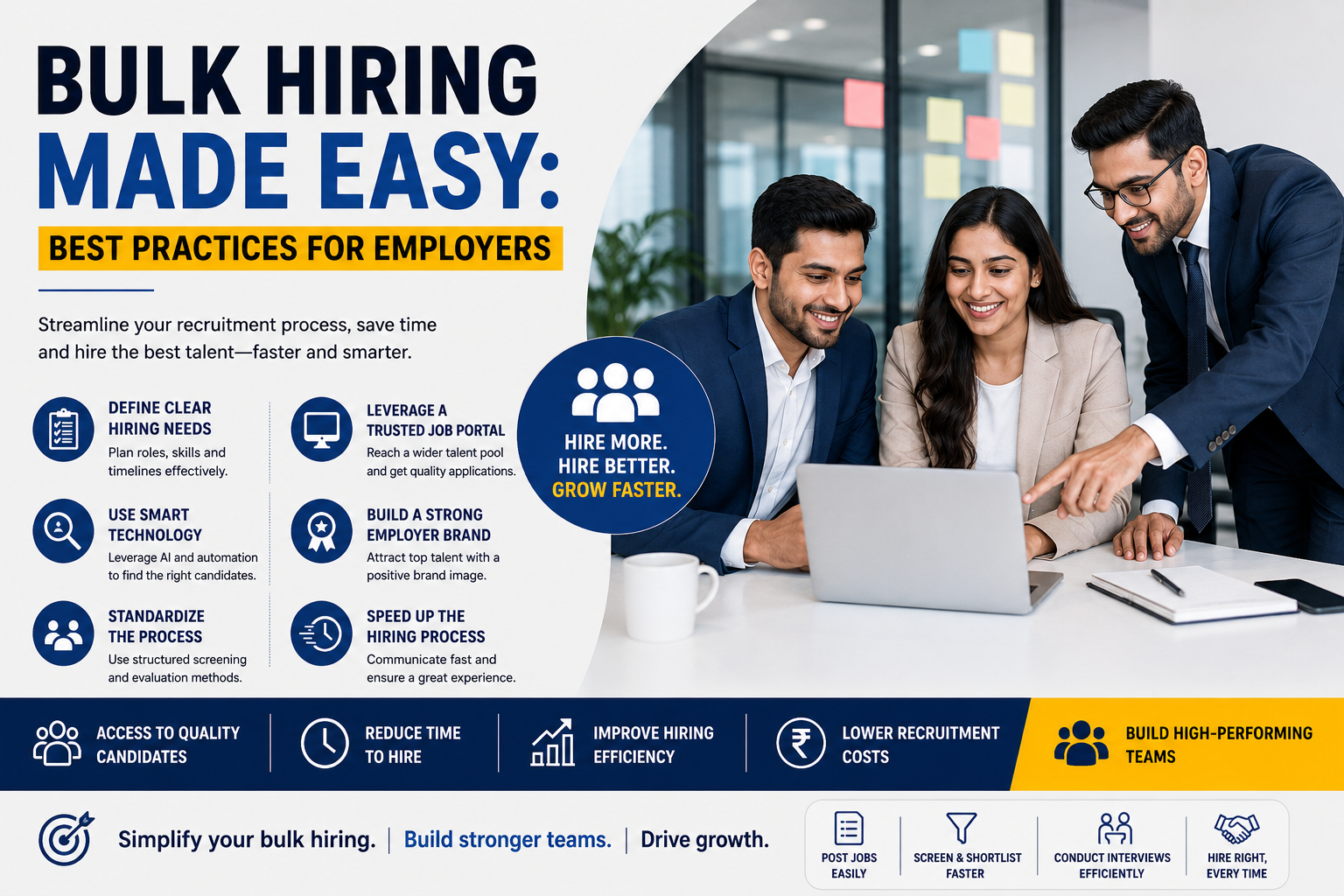
Bulk Hiring Made Easy: Best Practices for Employers
Platforms like Jobsglint simplify large-scale recruitment by helping organizations connect with qualified candidates faster, streamline hiring workflows, and reduce overall recruitment time.
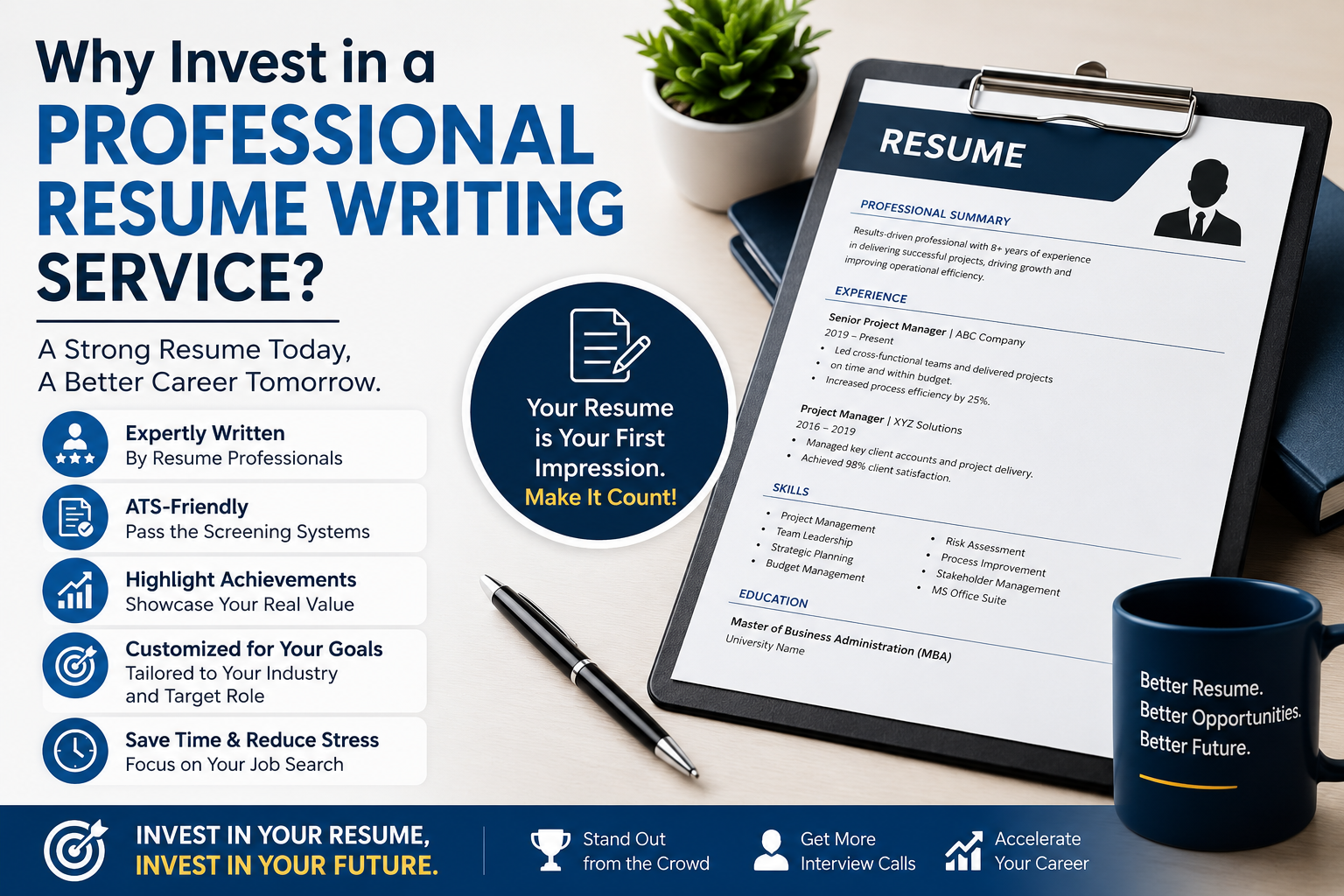
Why Invest in a Professional Resume Writing Service?
A professionally written resume helps you present your qualifications, achievements, and skills in a compelling way that increases your chances of getting shortlisted for interviews. Investing in a professional resume writing service is not just about improving a document—it is about investing in your career and future opportunities.
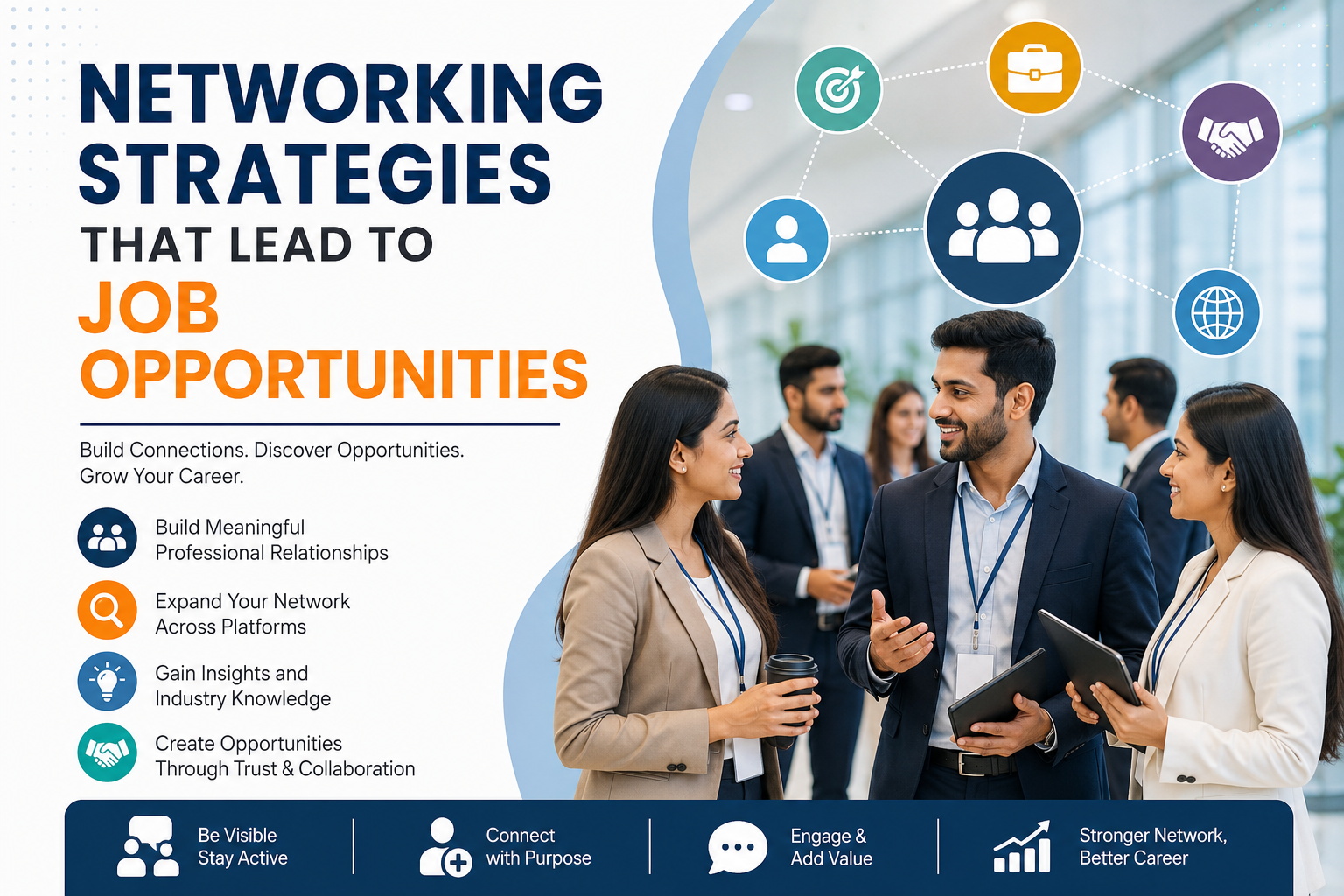
Networking Strategies That Lead to Job Opportunities
With platforms like Jobsglint connecting job seekers to verified employers, combining smart networking with strategic job searching can accelerate your career growth.
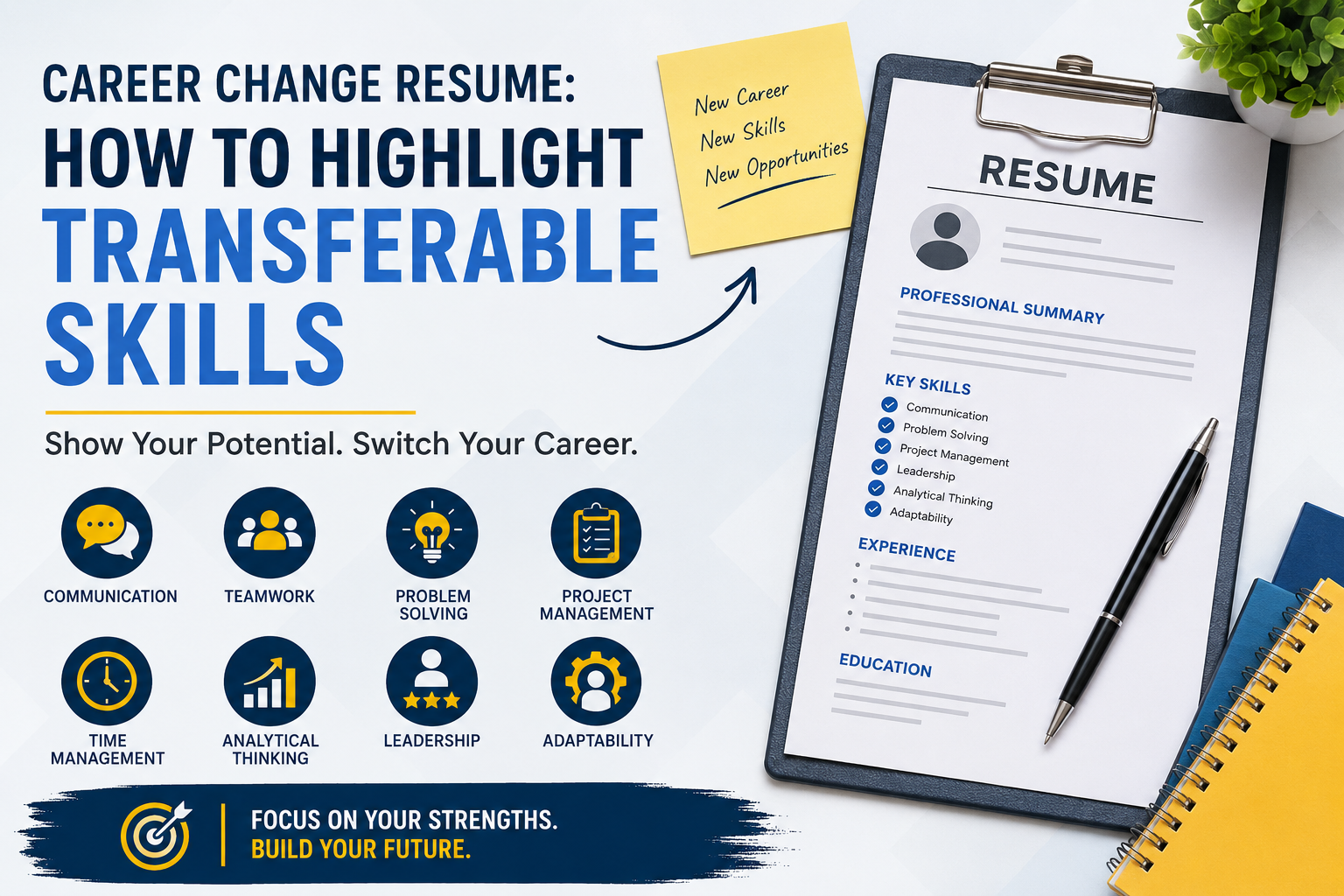
Career Change Resume: How to Highlight Transferable Skills
At Jobsglint, we help professionals create ATS-friendly resumes that showcase transferable skills and increase interview opportunities. Here's how you can build a resume that supports your career change.
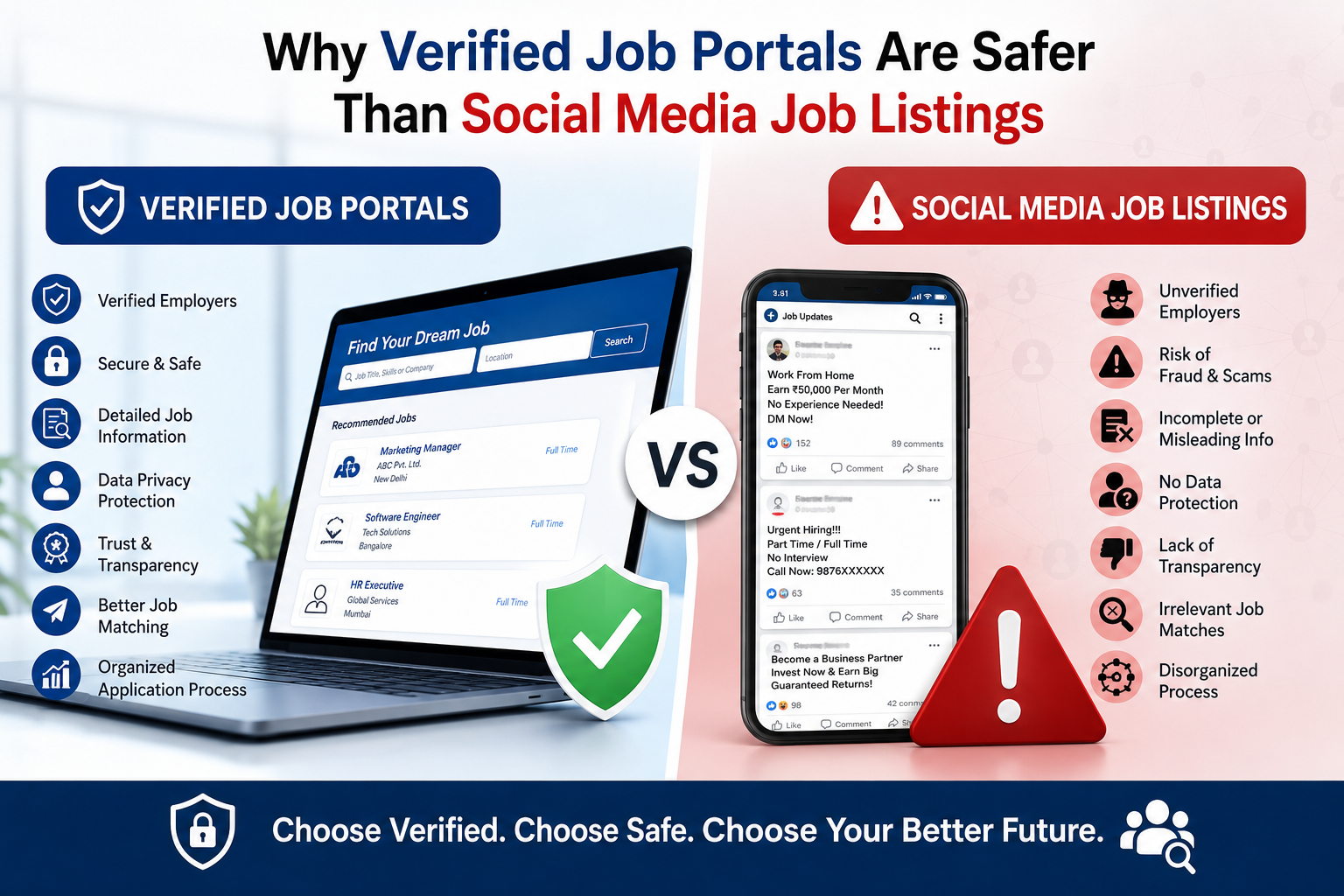
Why Verified Job Portals Are Safer Than Social Media Job Listings
At Jobsglint, we believe that your job search should be safe, transparent, and rewarding. Here's why choosing a verified job portal is always a smarter decision than relying solely on social media job listings.
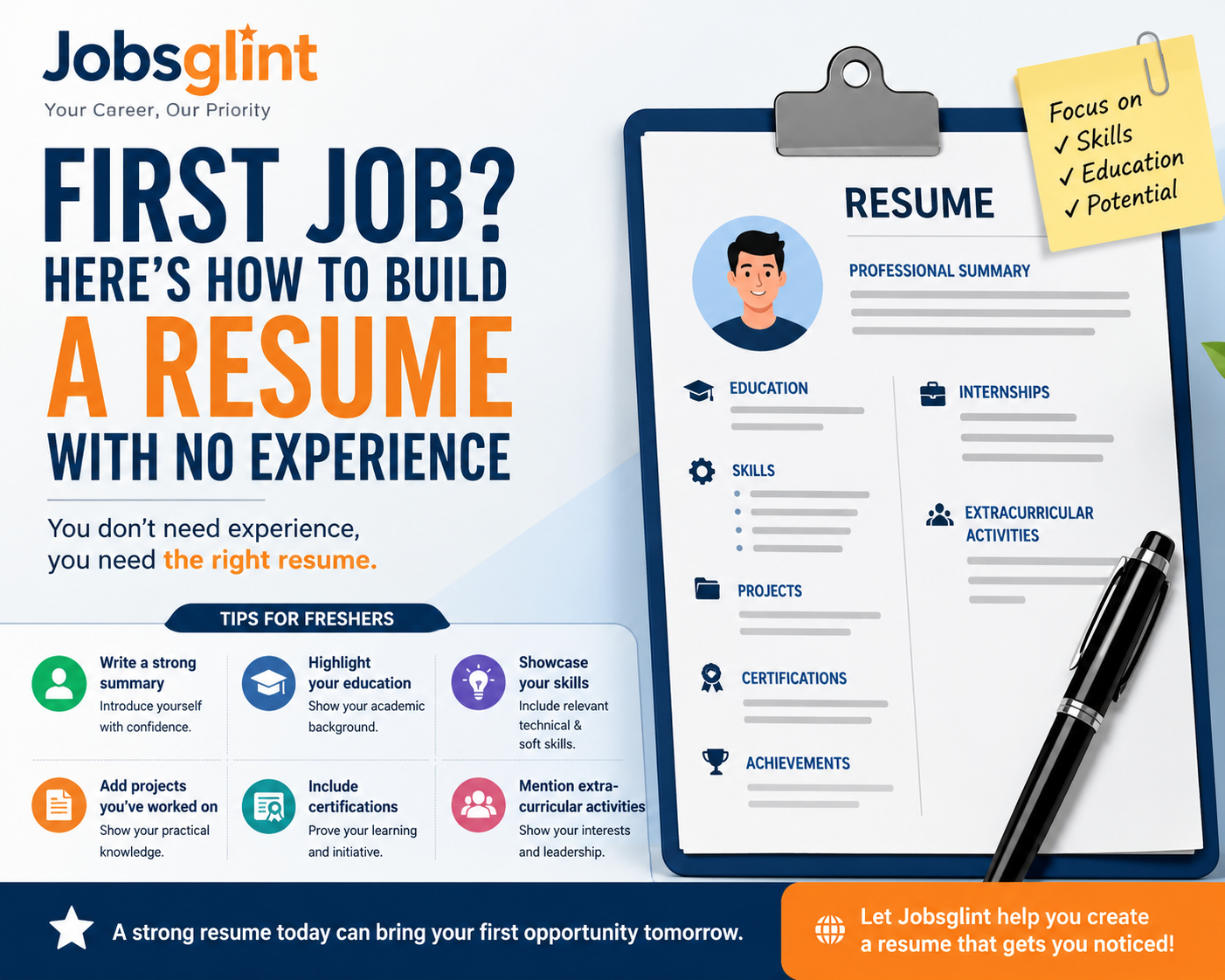
First Job? Here's How to Build a Resume with No Experience
Landing your first job can feel challenging, especially when every job description seems to ask for experience. The good news? Recruiters don't expect freshers to have years of professional experience. What they do expect is a well-structured resume that showcases your skills, education, potential, and willingness to learn. At Jobsglint, we help fresh graduates and first-time job seekers create professional, ATS-friendly resumes that make a strong first impression.
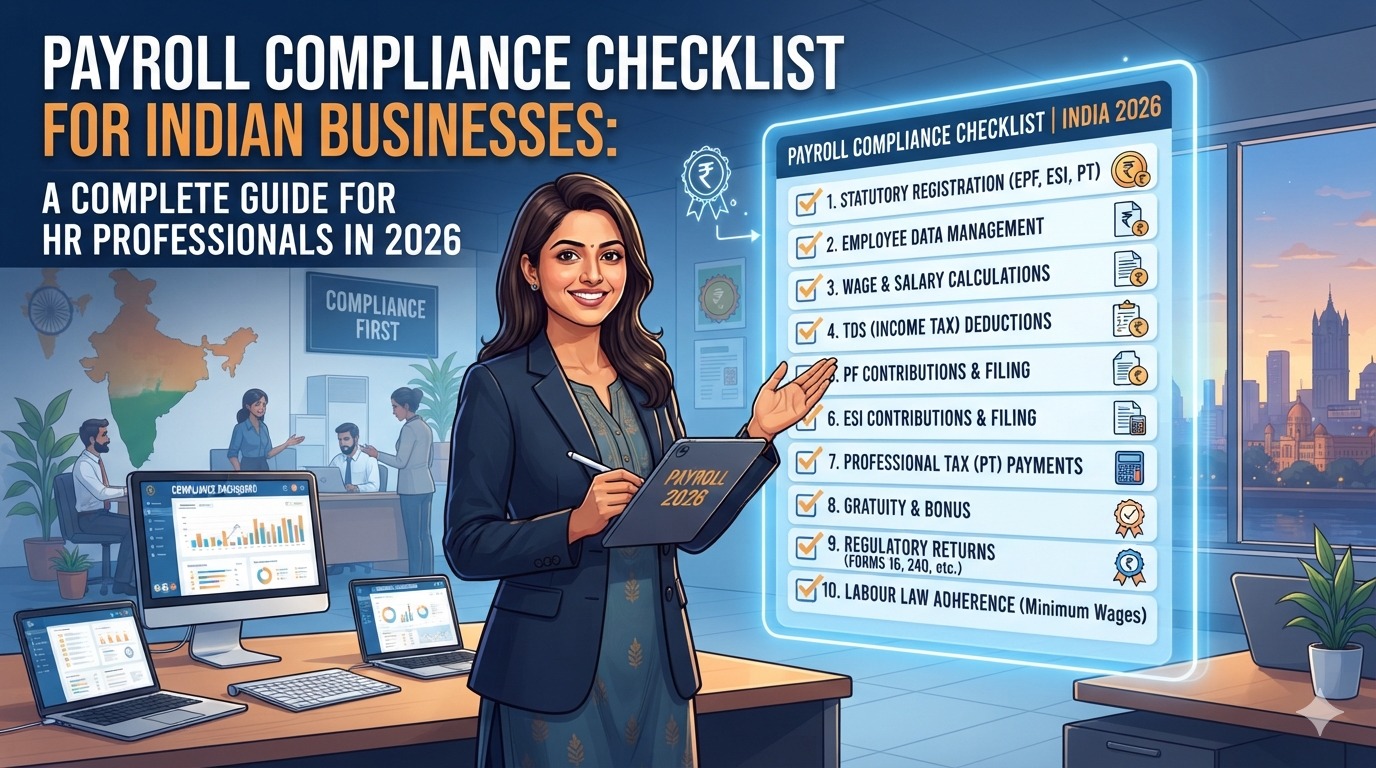
Payroll Compliance Checklist for Indian Businesses: A Complete Guide for HR Professionals in 2026
A single payroll error—whether related to statutory deductions, delayed salary payments, or tax calculations—can result in legal penalties, financial losses, and reduced employee trust. Therefore, every organization, regardless of its size, should establish a robust payroll compliance process.
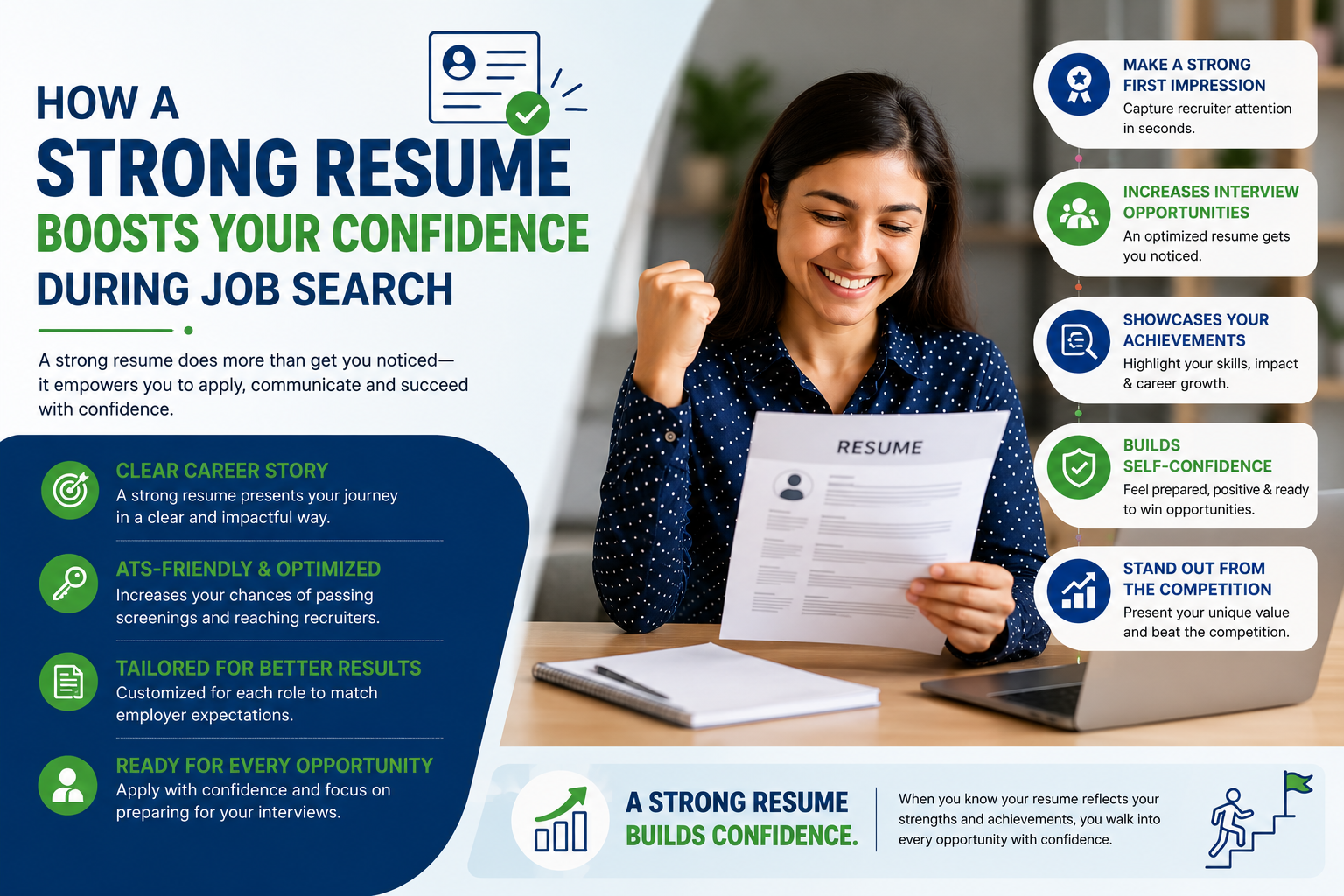
How a Strong Resume Boosts Your Confidence During Job Search
At Jobsglint, we believe that every job seeker deserves a resume that reflects their true value and helps them approach the job market with confidence.
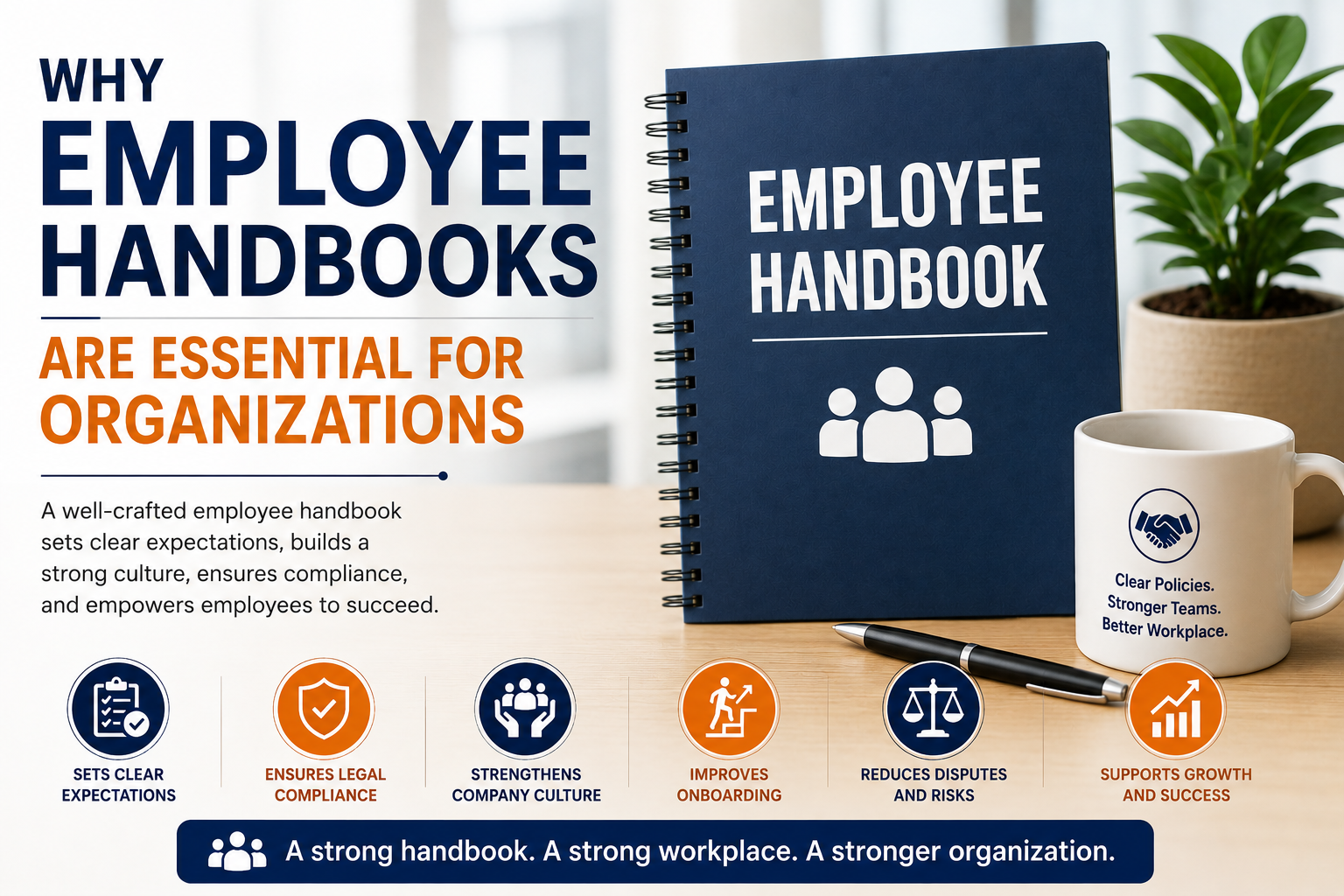
Why Employee Handbooks Are Essential for Organizations
An employee handbook is more than just a document outlining workplace rules. It serves as a guide that helps employees understand company culture, benefits, responsibilities, and professional standards. It also protects employers by ensuring that policies are communicated clearly and consistently.
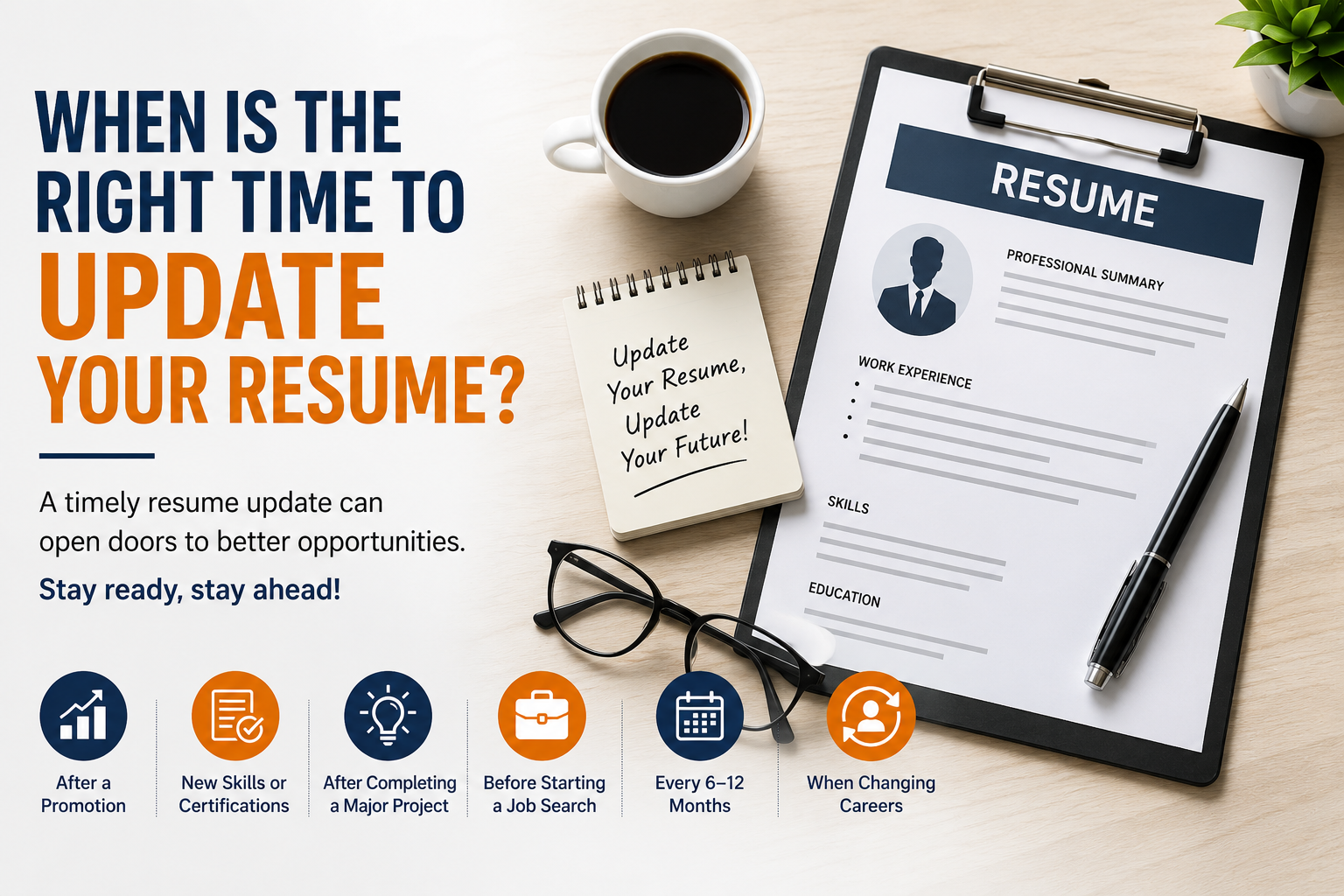
When Is the Right Time to Update Your Resume?
Whether you're actively job hunting or simply planning your long-term career growth, keeping your resume updated ensures you're always prepared for new opportunities. A current, well-structured resume also helps you respond quickly when recruiters reach out or an unexpected career opportunity arises.
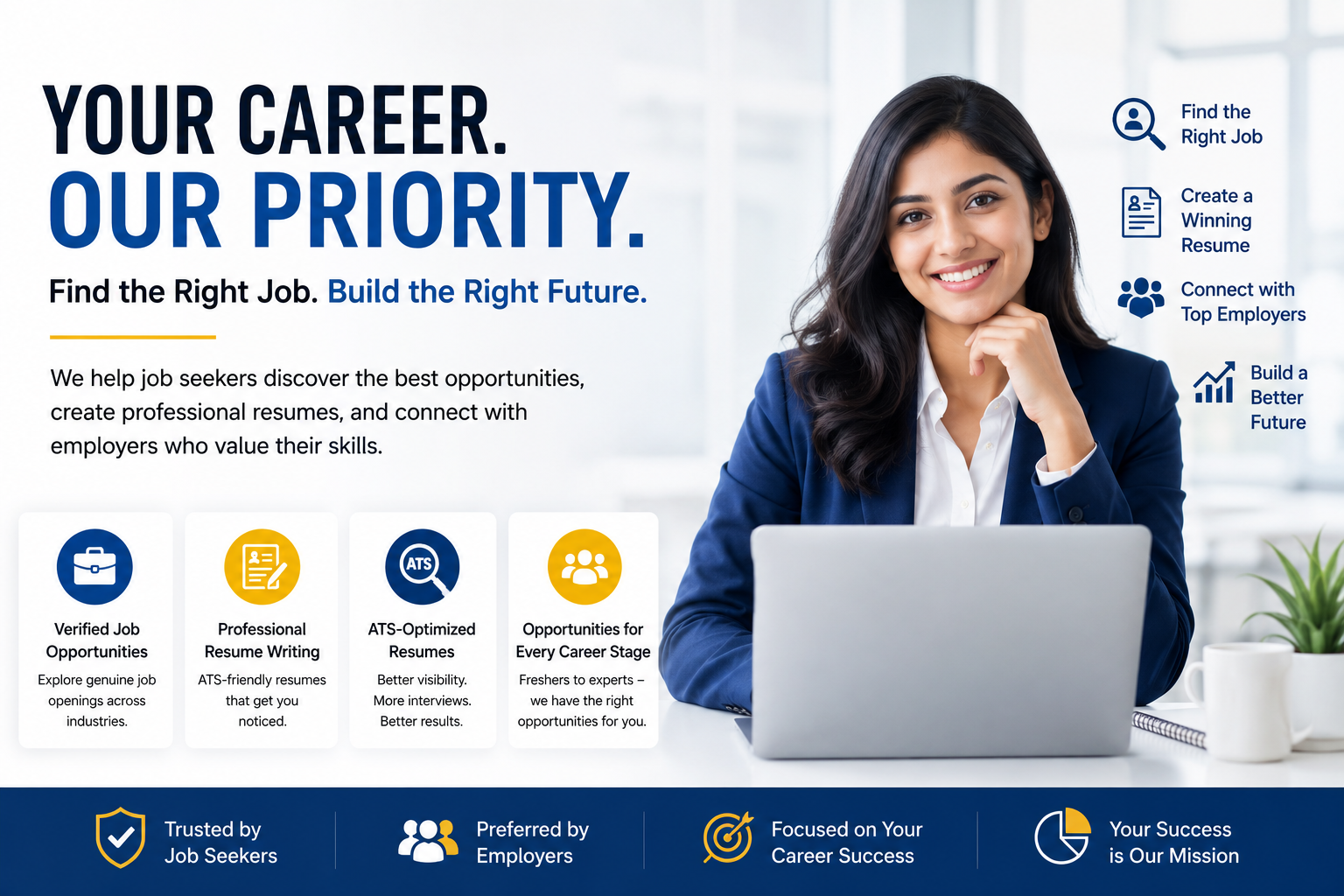
Why Jobsglint Is Your Trusted Partner for Finding the Right Job
This is where Jobsglint makes a difference. More than just a job portal, Jobsglint is a complete career partner that helps job seekers connect with the right employers while providing professional resume writing services to improve their chances of getting hired.
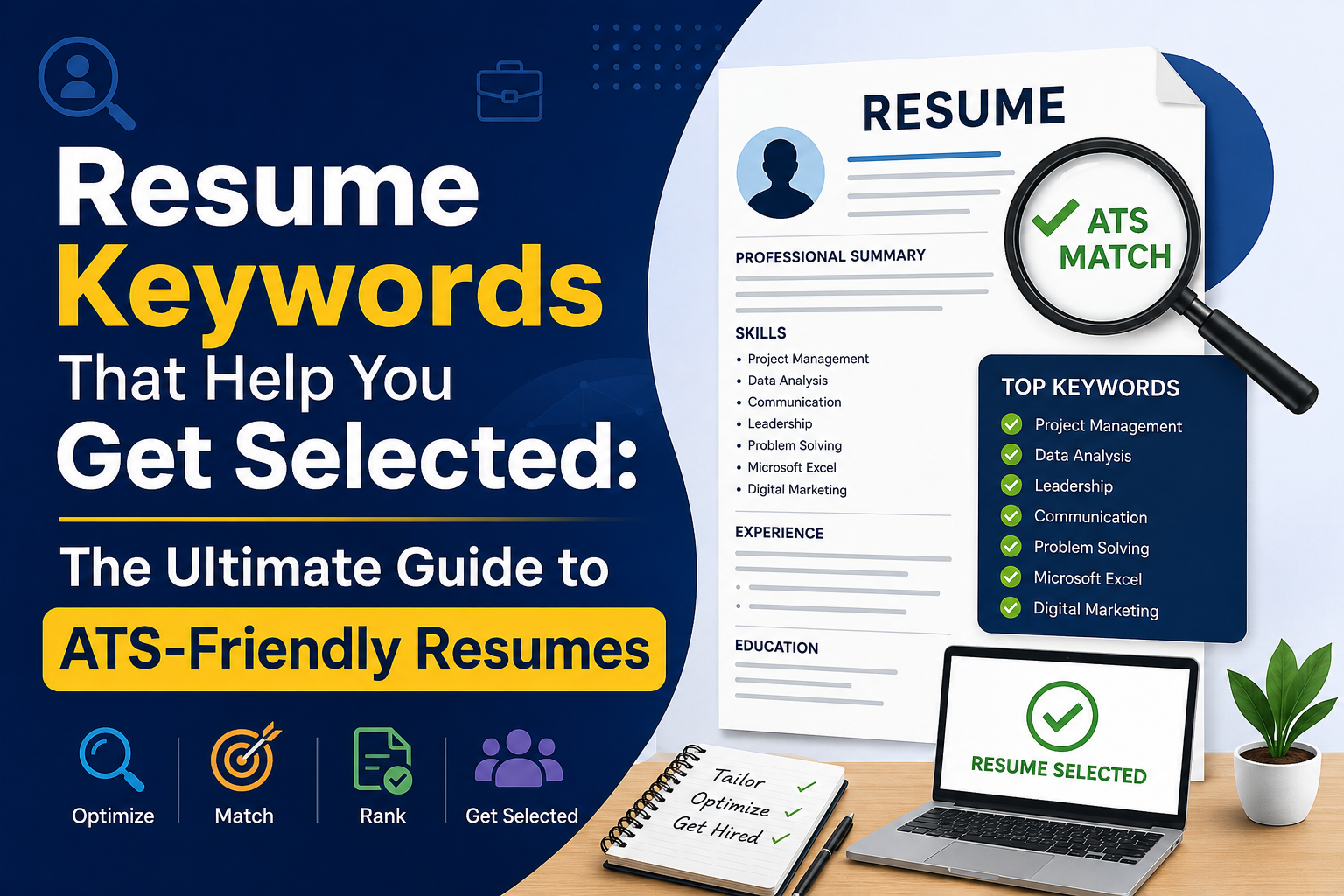
Resume Keywords That Help You Get Selected: The Ultimate Guide to ATS-Friendly Resumes
In today's competitive job market, having an impressive resume is no longer enough. Recruiters receive hundreds of applications for a single position, making it difficult to review every resume manually. To streamline the hiring process, many organizations use Applicant Tracking Systems (ATS) to filter applications before they reach a recruiter.
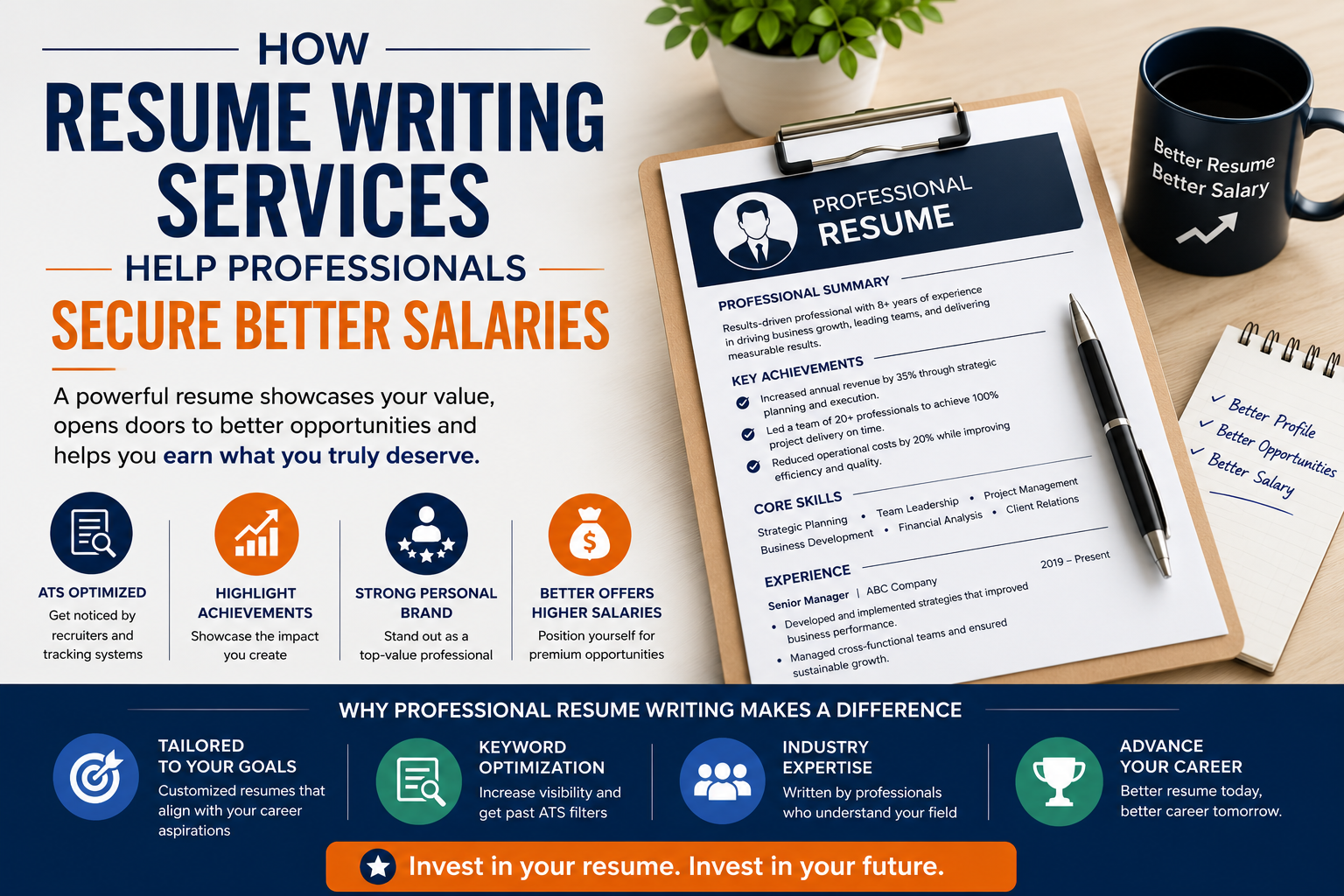
How Resume Writing Services Help Professionals Secure Better Salaries
Resume writing services are designed to highlight a candidate’s strengths, achievements, and value proposition in a way that appeals to employers. By creating a compelling and strategic resume, these services help professionals position themselves for better-paying opportunities and career growth.
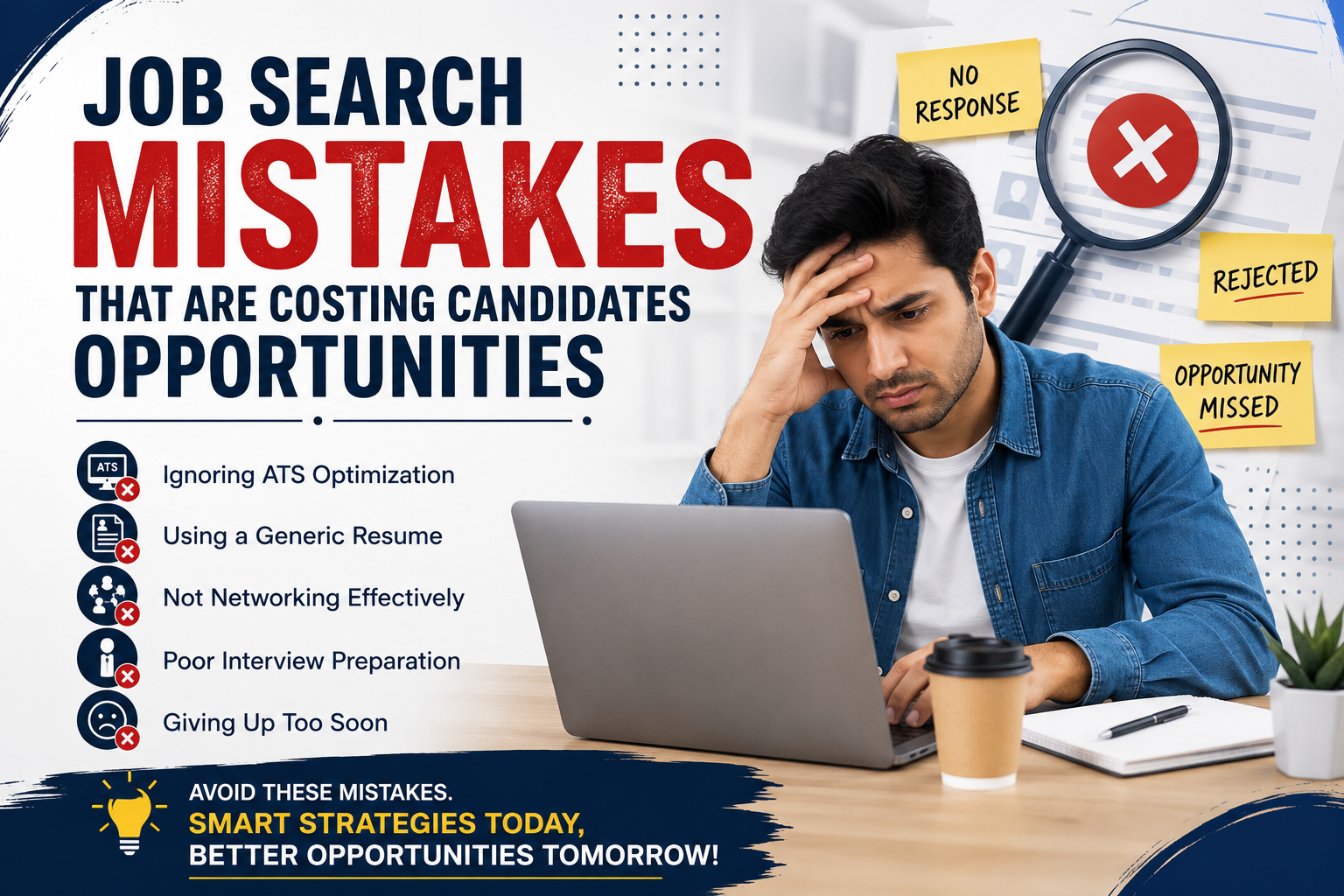
Job Search Mistakes That Are Costing Candidates Opportunities
A strong resume, relevant skills, and experience are important, but avoiding common job search mistakes can be equally valuable. Understanding these errors can help candidates stand out, secure more interviews, and ultimately land better job opportunities.

The Role of Keywords in Modern Resumes and Why They Matter
At JobsGlint, we understand the importance of creating resumes that are not only professionally written but also optimized with industry-relevant keywords to help job seekers stand out in a competitive market.
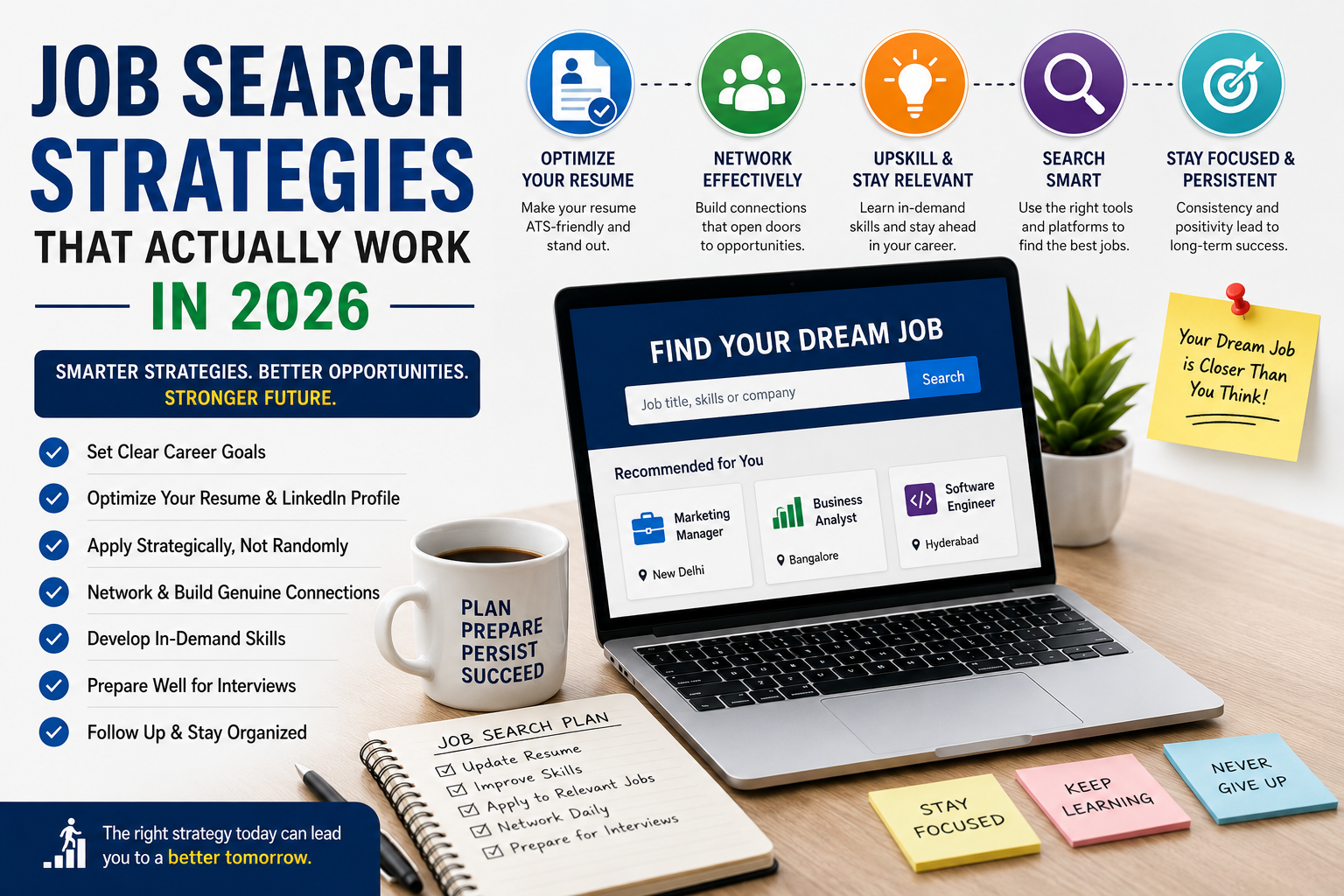
Job Search Strategies That Actually Work in 2026
For job seekers, this means adopting smarter job search strategies rather than relying on outdated methods. Whether you are a fresh graduate, an experienced professional, or someone looking for a career change, understanding what works in today's hiring landscape can significantly improve your chances of landing the right role.
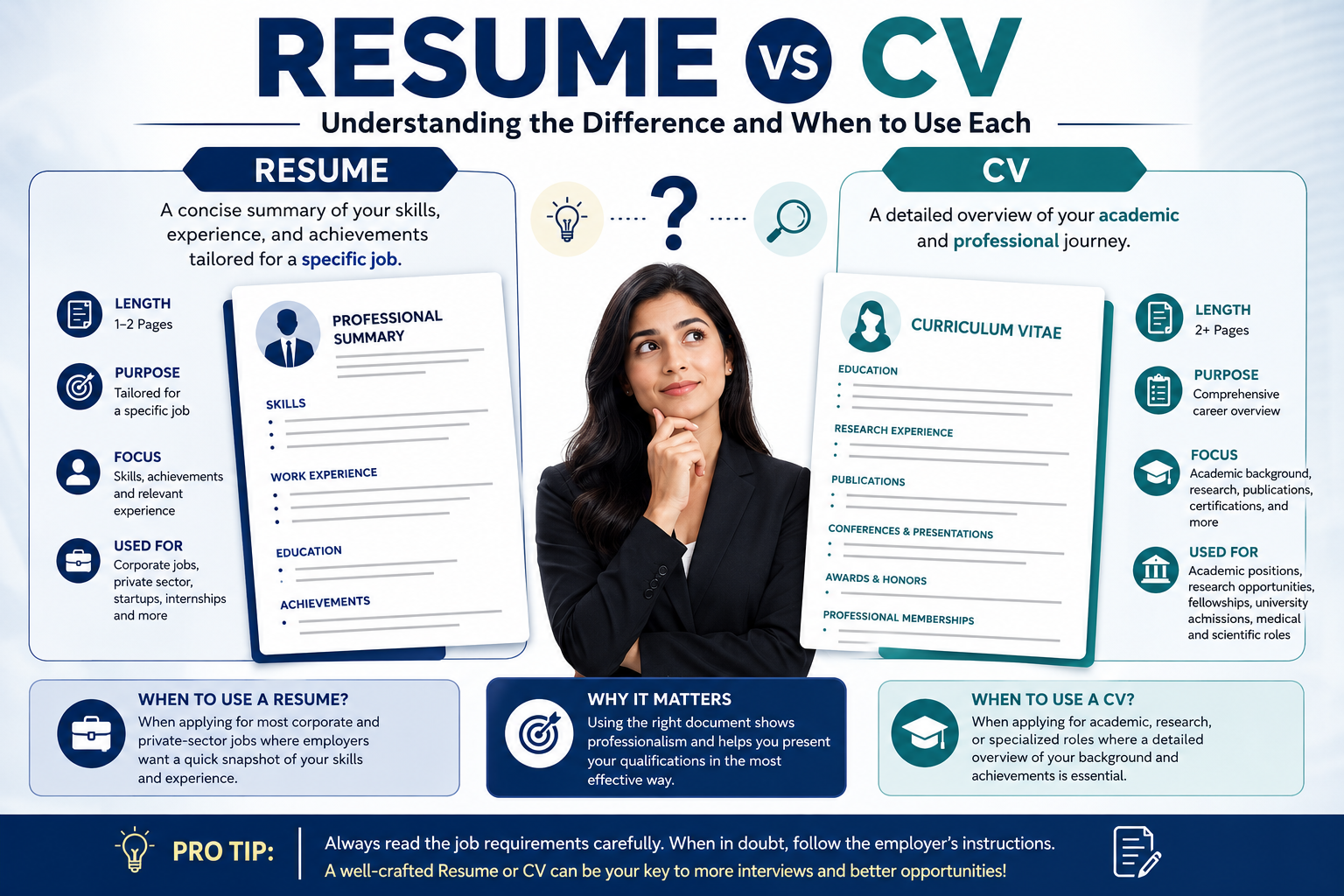
Resume vs CV: Understanding the Difference and When to Use Each
At JobsGlint, we often encounter job seekers who are unsure whether they need a resume or a CV. This guide explains the key differences between the two and helps you determine when to use each.
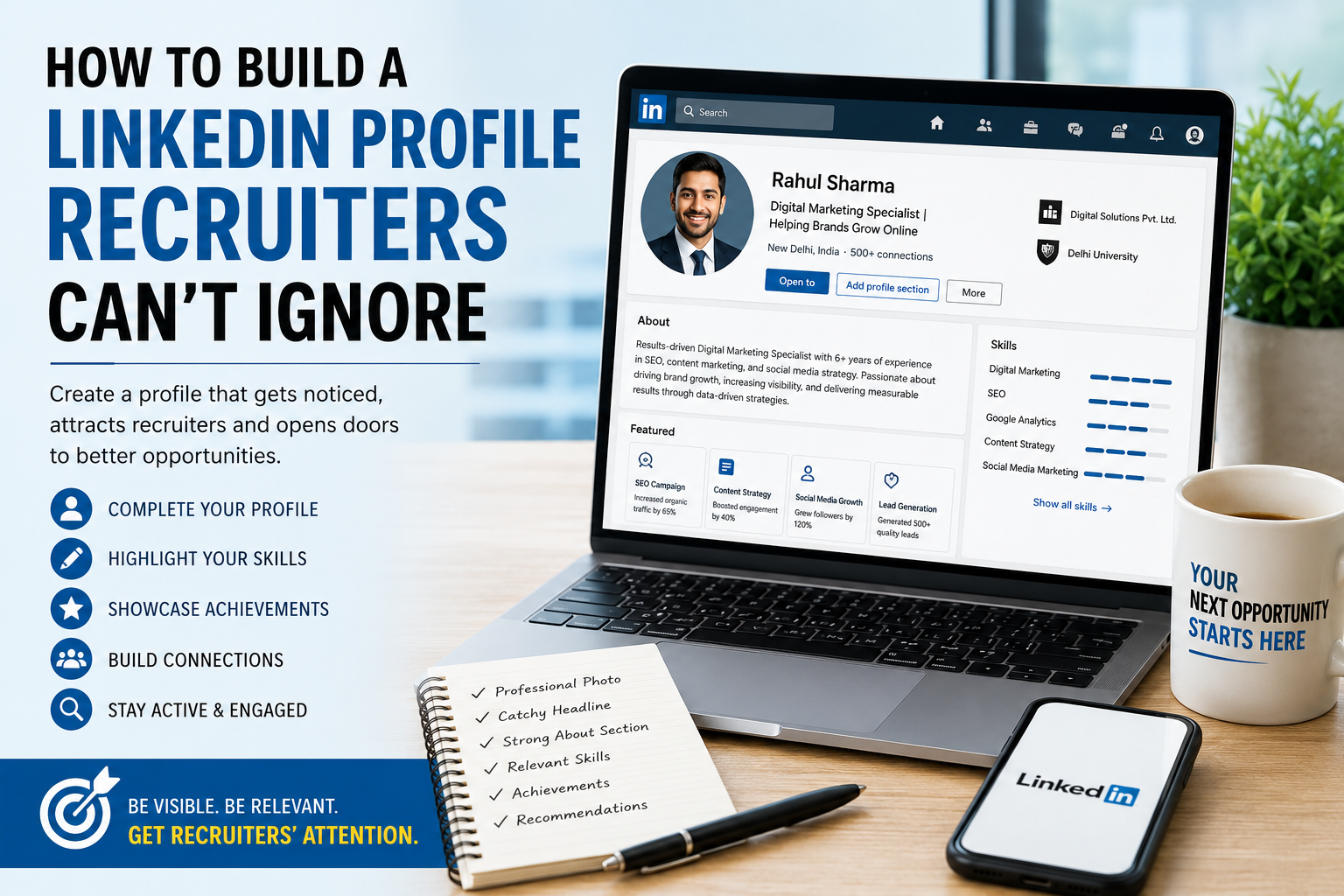
How to Build a LinkedIn Profile Recruiters Can't Ignore
If you want recruiters to notice your profile and reach out with relevant job opportunities, it's important to present yourself strategically. Here's how to build a LinkedIn profile recruiters simply can't ignore.
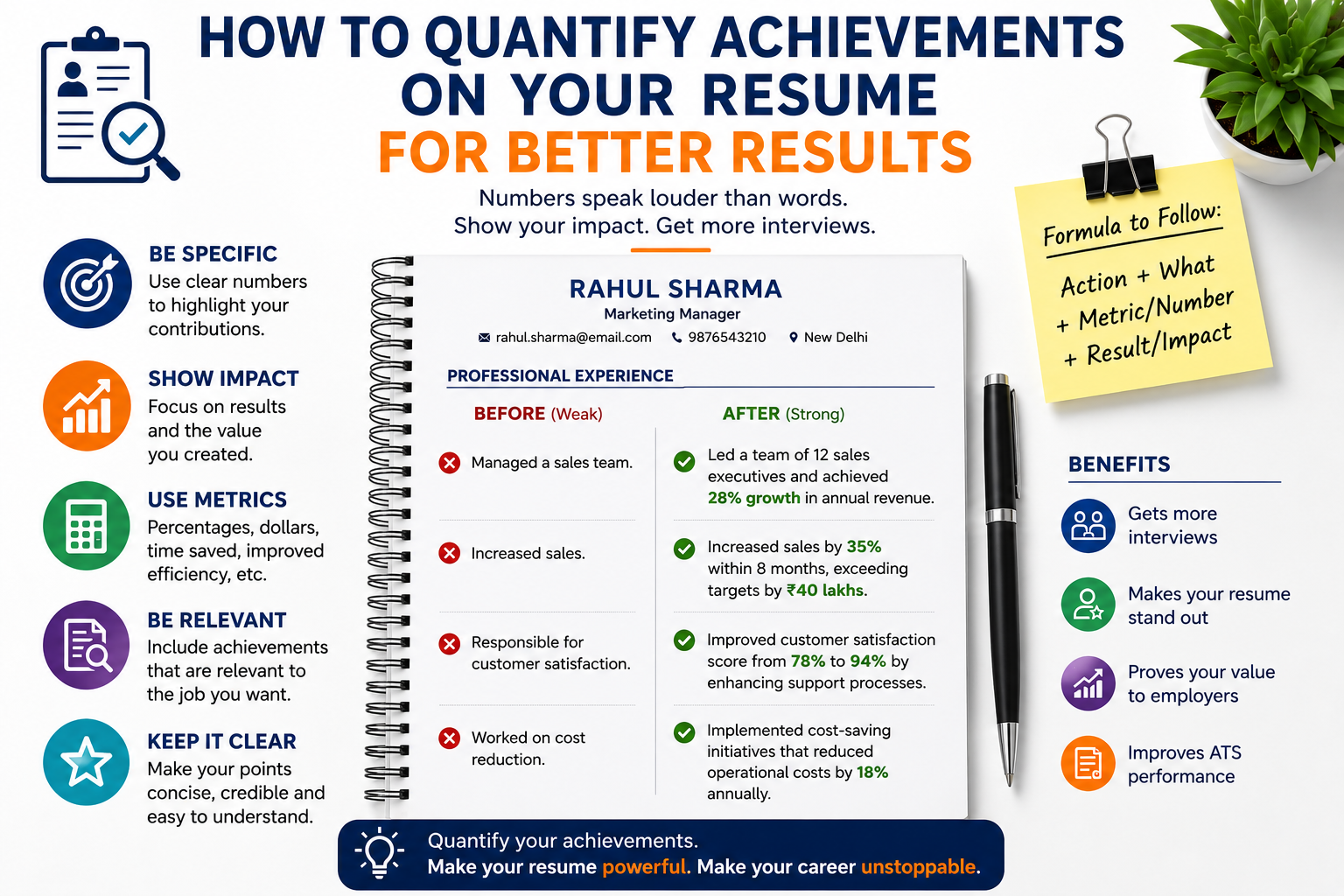
How to Quantify Achievements on Your Resume for Better Results
A resume that highlights specific accomplishments backed by numbers can significantly increase your chances of landing interviews. Instead of telling employers what you were responsible for, quantified achievements show what you actually accomplished and the value you brought to your organization.
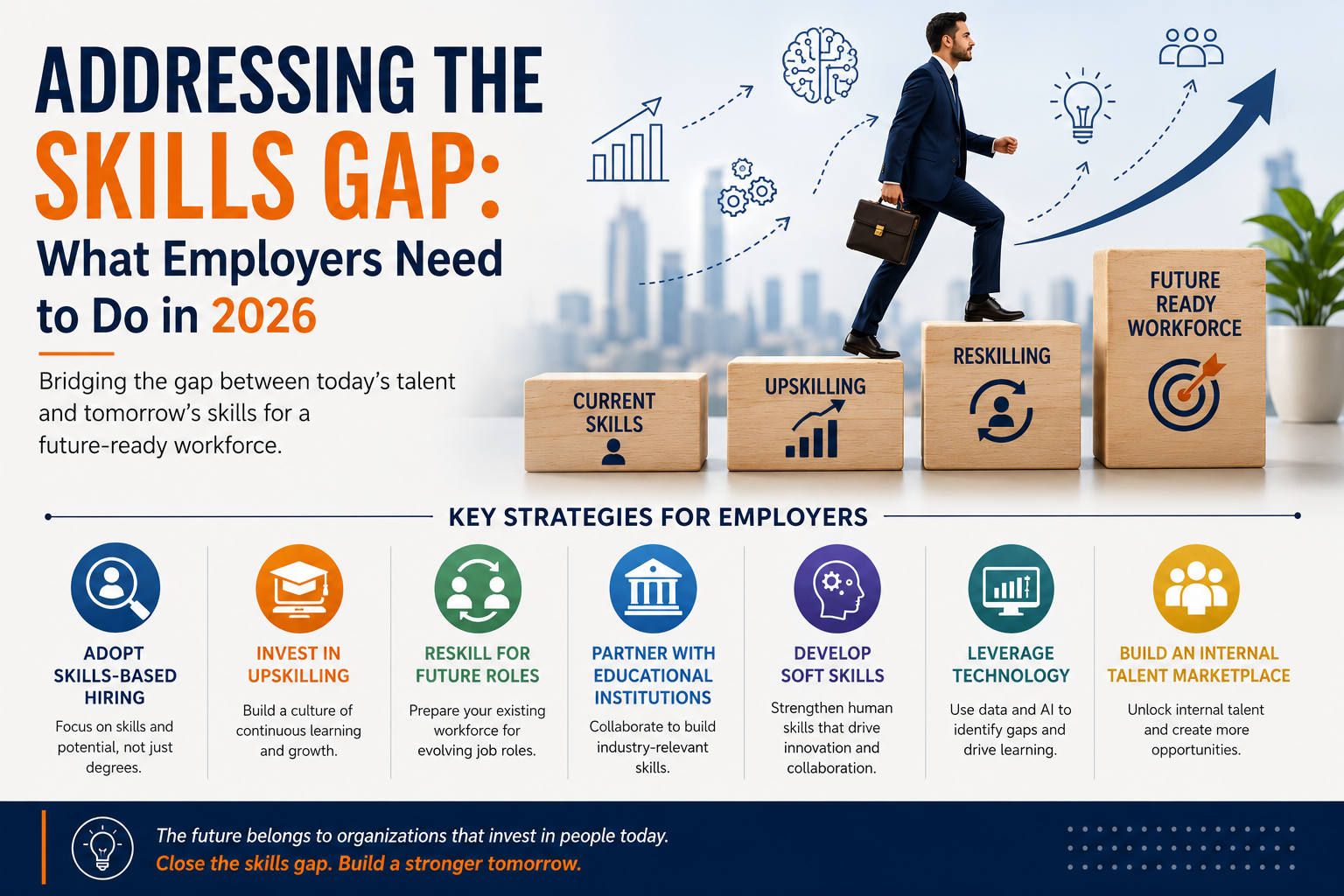
Addressing the Skills Gap: What Employers Need to Do in 2026
To remain competitive and future-ready, organizations must adopt proactive strategies to address the skills gap. Here's what employers need to do in 2026 to build a stronger, more capable workforce.
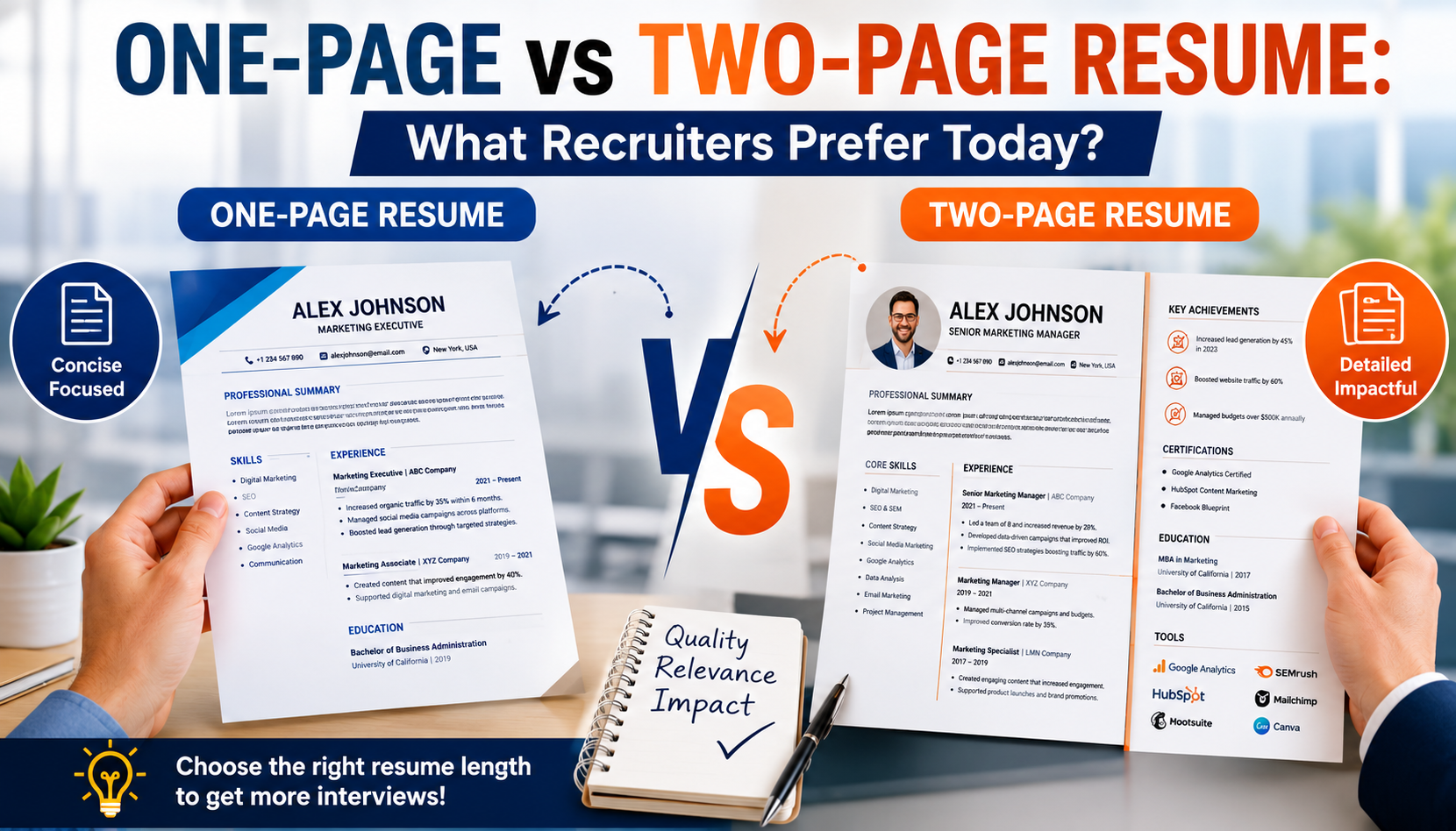
One-Page vs Two-Page Resume: What Recruiters Prefer Today?
Hiring practices have evolved, and recruiters today are more focused on the quality and relevance of information rather than strict page limits. Let's explore the advantages of both formats and determine which one might be right for your career stage and goals.
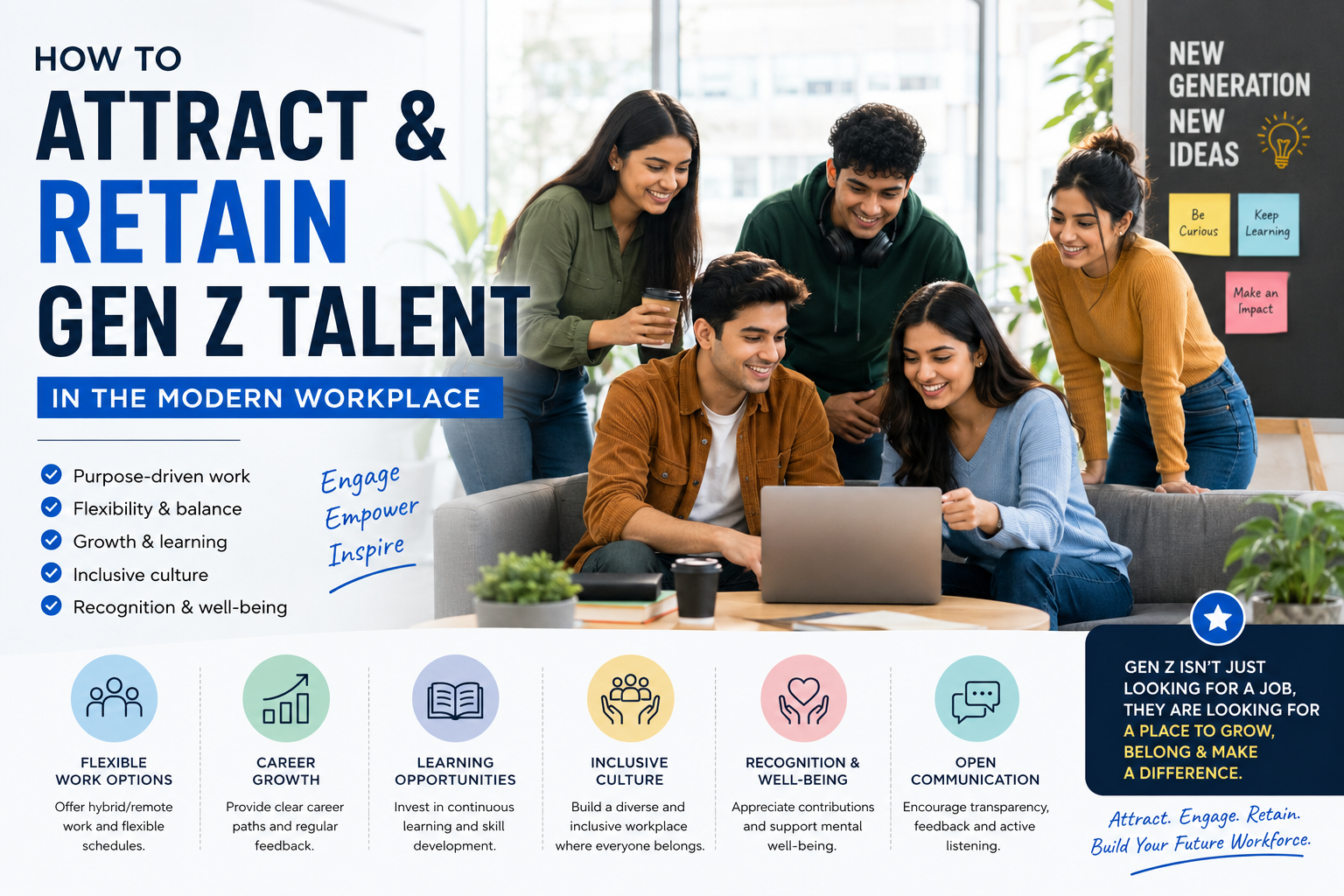
How to Attract and Retain Gen Z Talent in the Modern Workplace
Born roughly between 1997 and 2012, Gen Z employees are digital natives who prioritize flexibility, purpose, career growth, and workplace culture as much as salary.
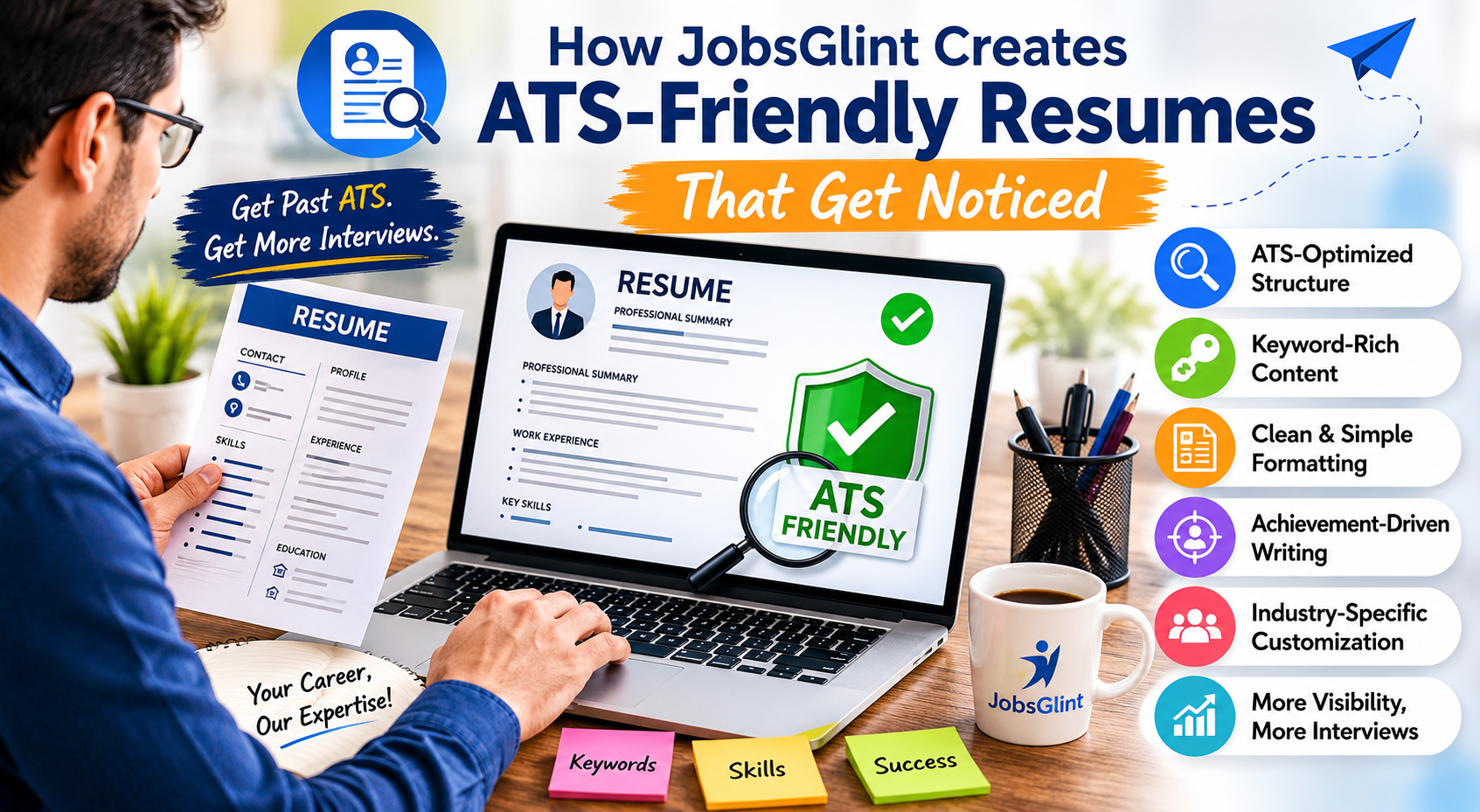
How JobsGlint Creates ATS-Friendly Resumes That Get Noticed
At JobsGlint, we understand how modern recruitment works. Our professional resume writing services focus on creating ATS-friendly resumes that not only pass automated screening systems but also capture the attention of recruiters and hiring managers.
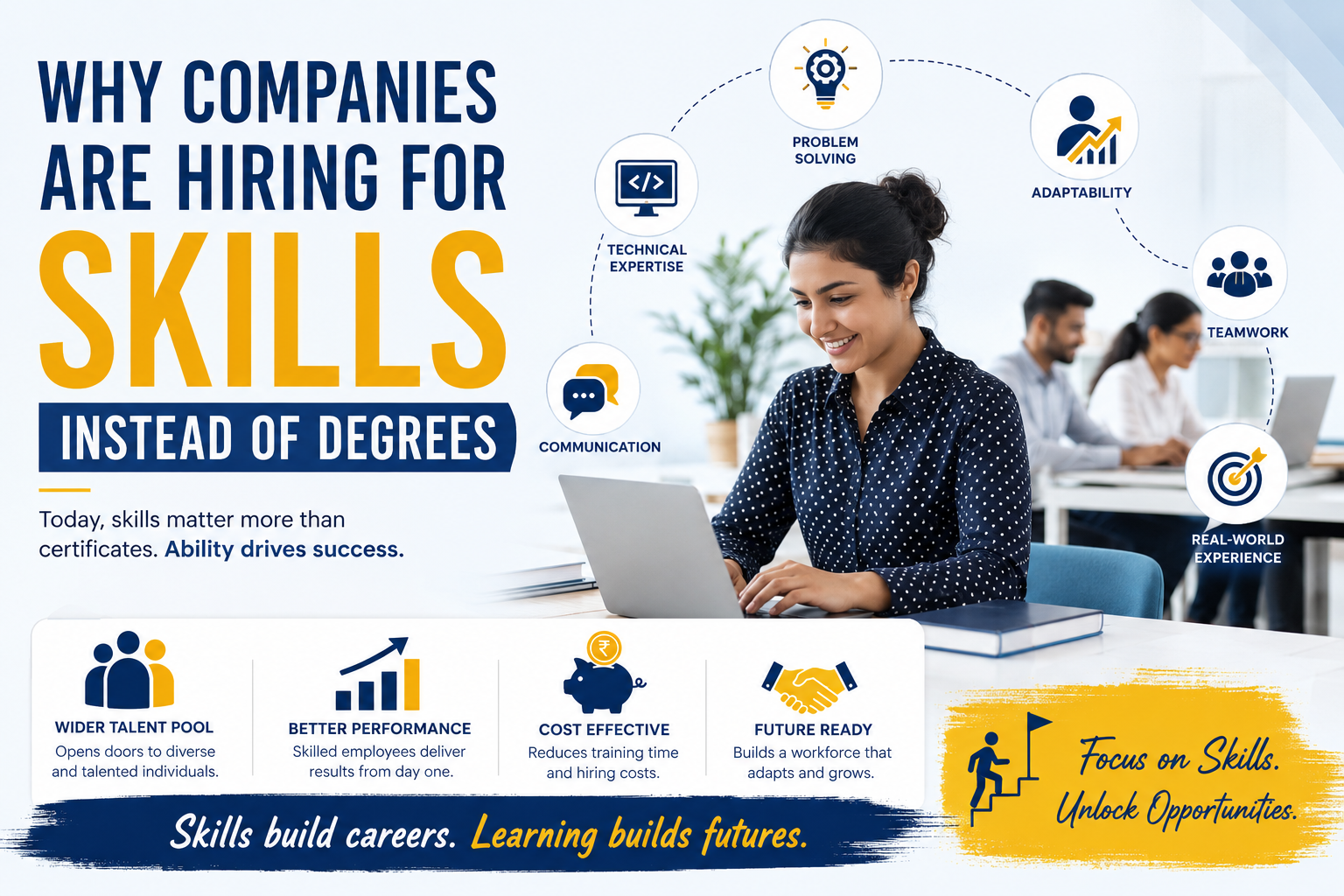
Why Companies Are Hiring for Skills Instead of Degrees
This shift is creating new opportunities for job seekers who may not have traditional degrees but possess valuable skills and hands-on experience.
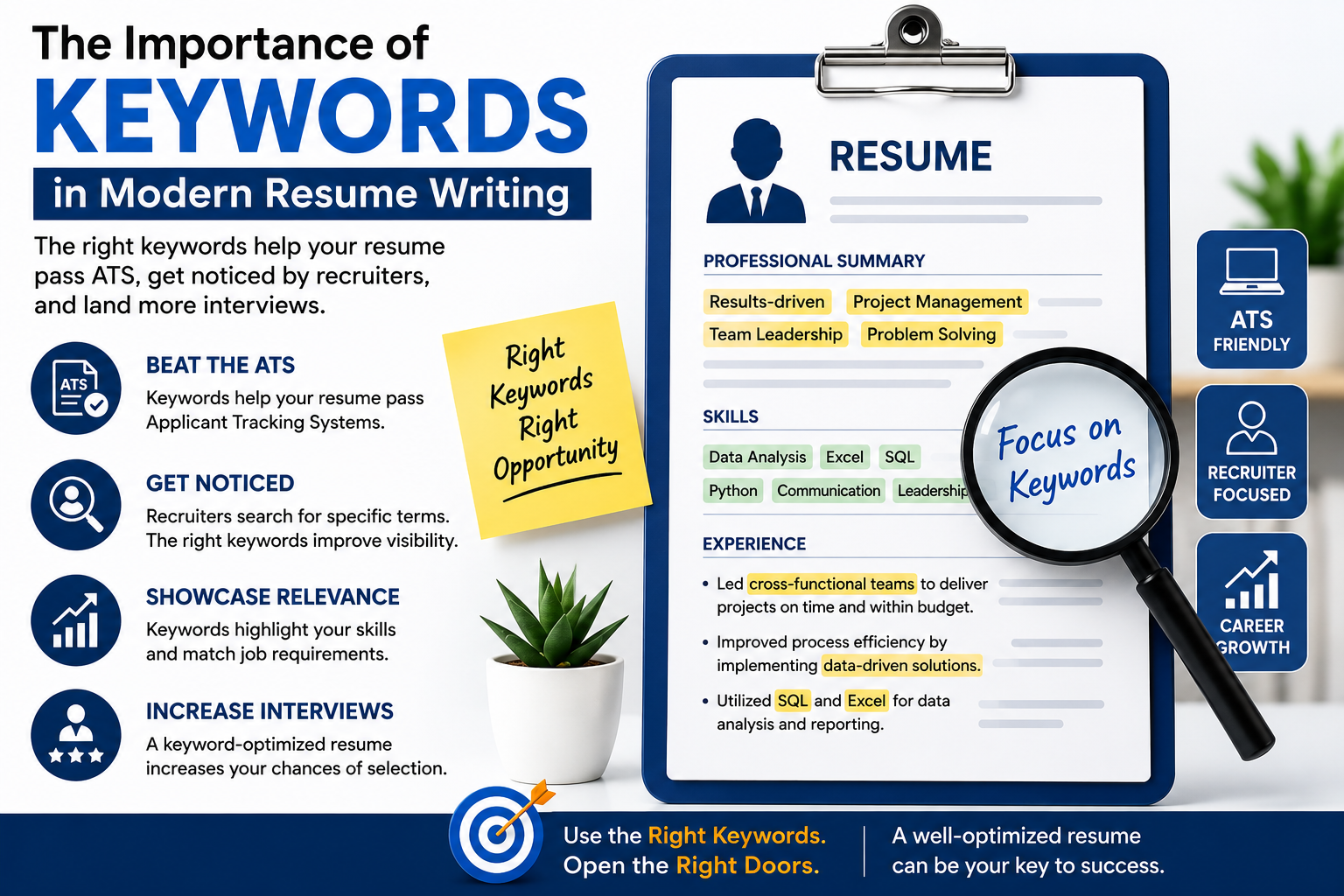
The Importance of Keywords in Modern Resume Writing
we understand how important keyword optimization is for creating interview-winning resumes. A resume with the right keywords can significantly improve visibility and help candidates stand out in today’s digital hiring process.
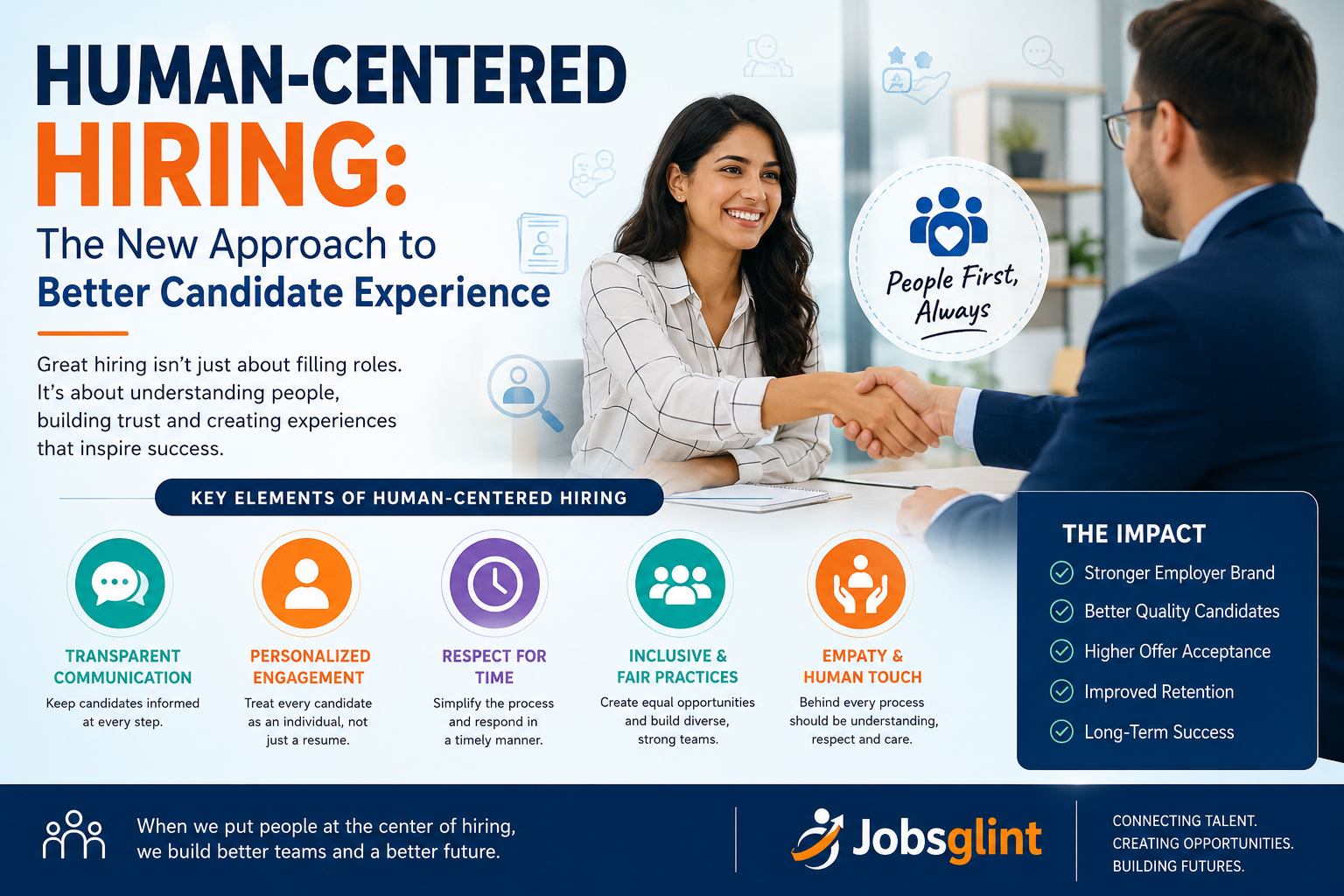
Human-Centered Hiring: The New Approach to Better Candidate Experience
This shift has given rise to a new recruitment philosophy known as Human-Centered Hiring. Instead of treating applicants like numbers in a system, organizations are focusing on empathy, communication, transparency, and personalized interactions.
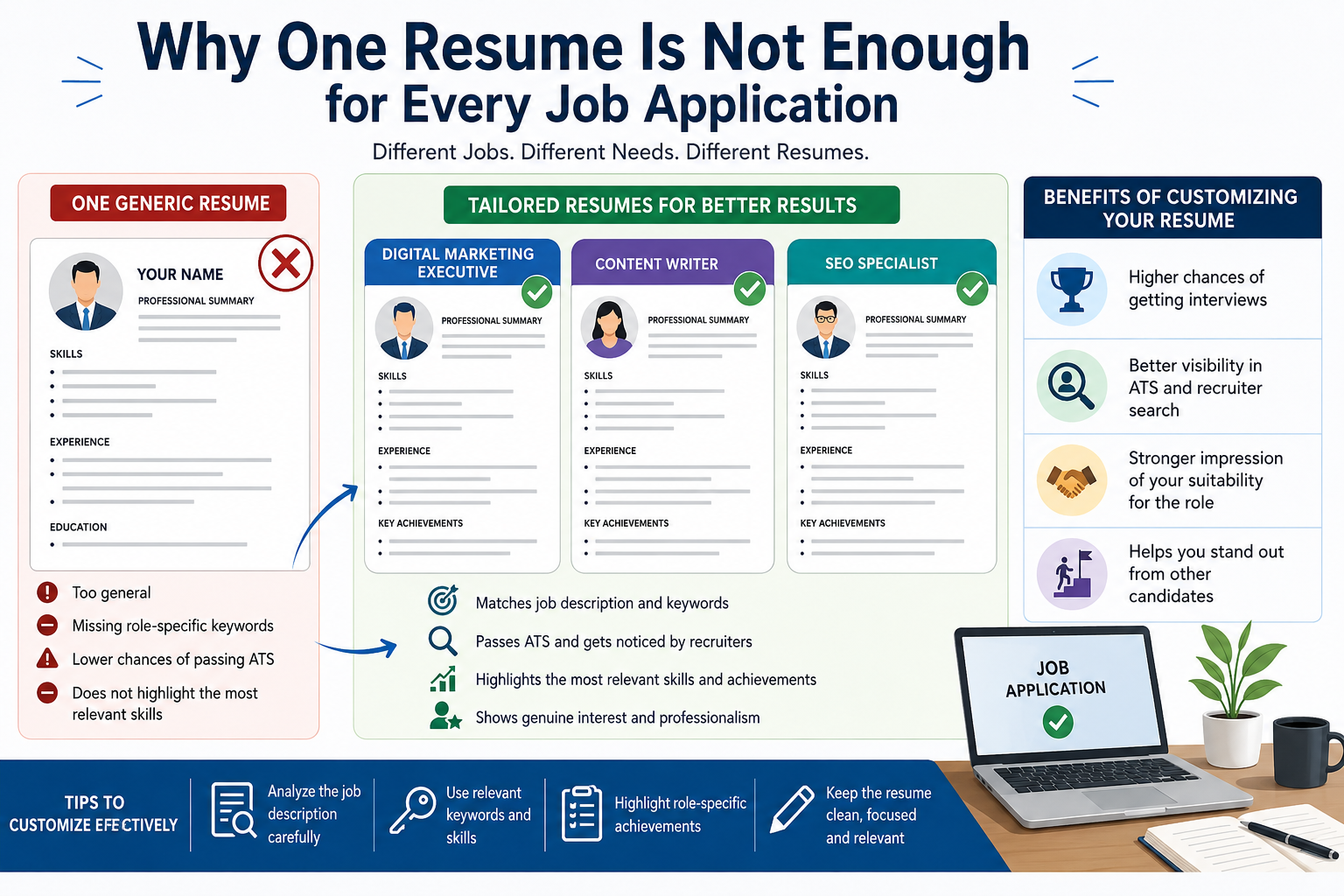
Why One Resume Is Not Enough for Every Job Application
Recruitment trends in 2026 have changed significantly. Companies now use advanced Applicant Tracking Systems (ATS), AI-powered screening tools, and role-specific hiring strategies to shortlist candidates.
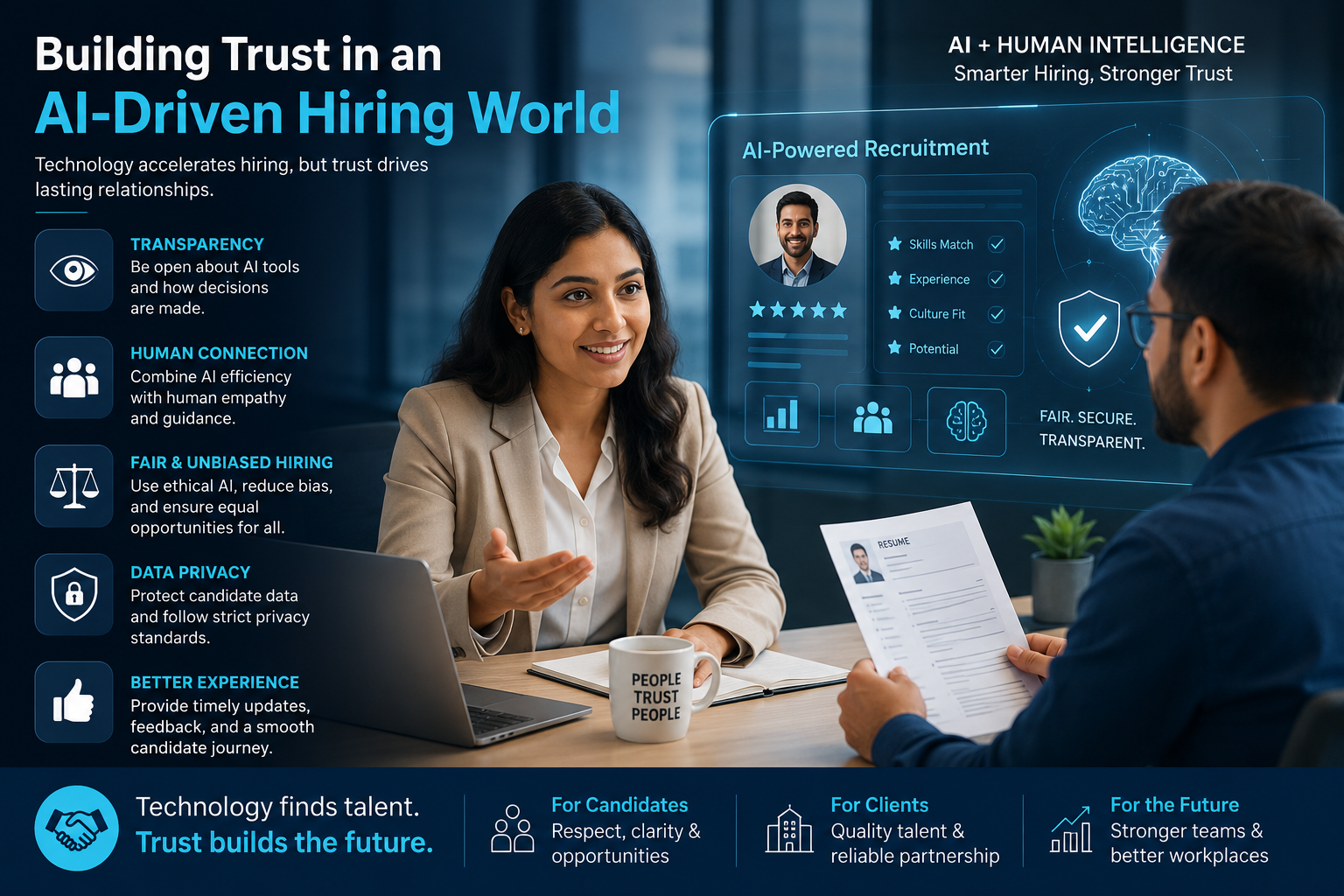
How Recruitment Firms Can Build Trust in an AI-Driven Hiring World
In today’s AI-driven hiring world, recruitment agencies that focus on building trust will stand out from the competition. Here’s how recruitment firms can create stronger relationships with both employers and candidates while using AI effectively.
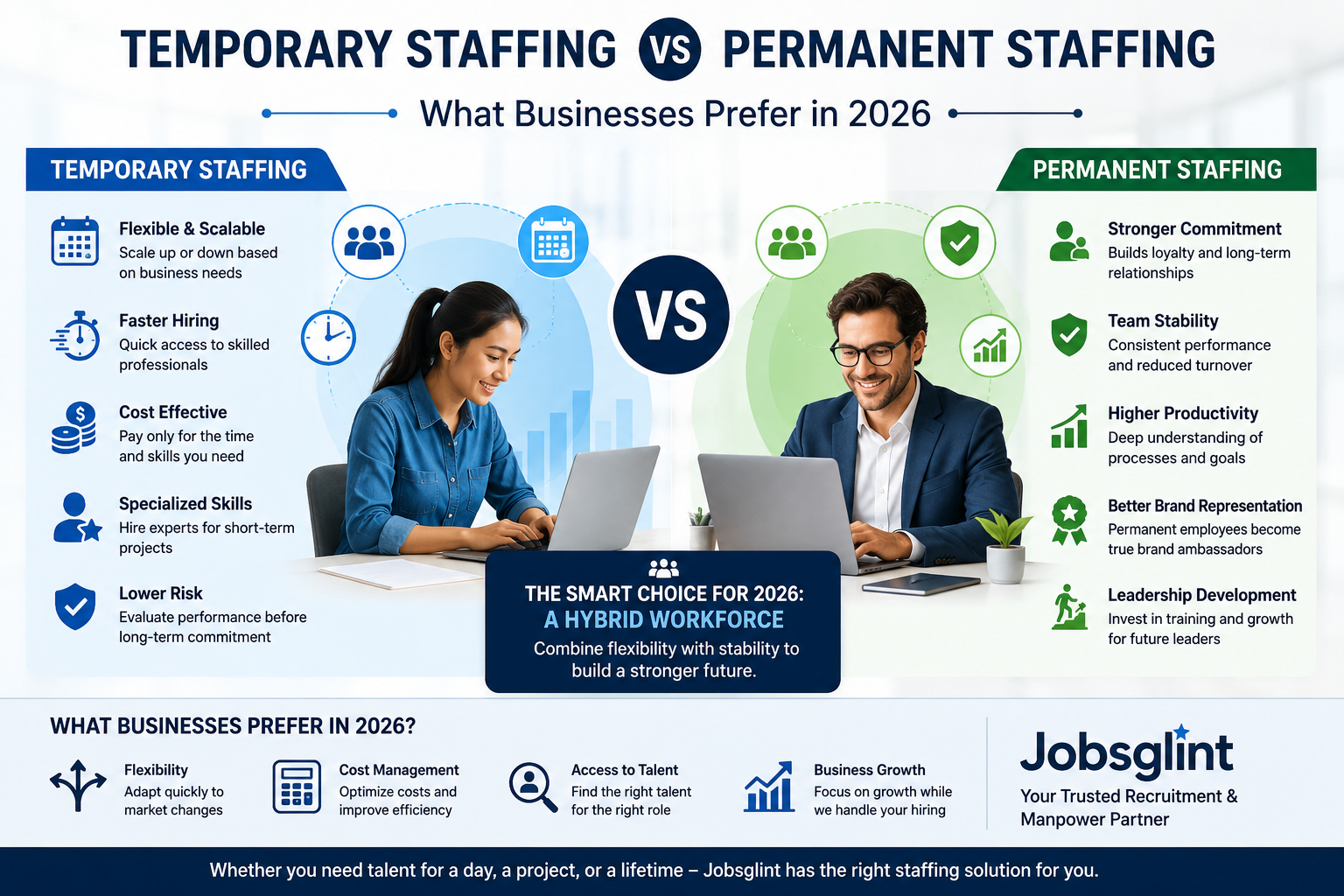
Temporary Staffing vs Permanent Staffing: What Businesses Prefer in 2026
One of the biggest debates in today’s recruitment industry is Temporary Staffing vs Permanent Staffing. While some companies prioritize long-term employee retention, others prefer workforce flexibility through temporary staffing solutions.
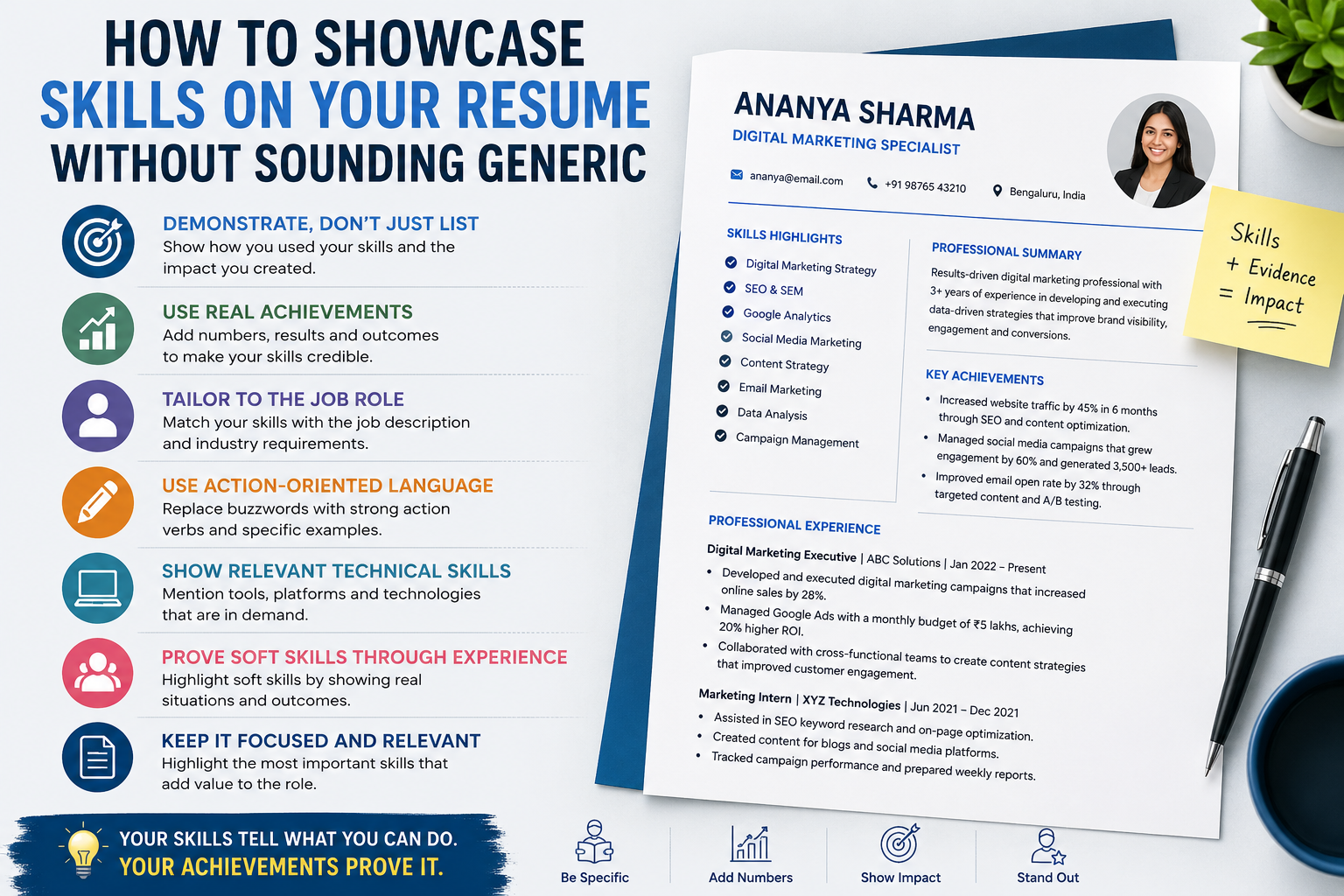
How to Showcase Skills on Your Resume Without Sounding Generic
For job seekers, the challenge is not just adding skills to a resume, but presenting them in a way that feels authentic, professional, and results-driven. A well-crafted resume should tell recruiters how your abilities helped solve problems, improve performance, or contribute to business success.
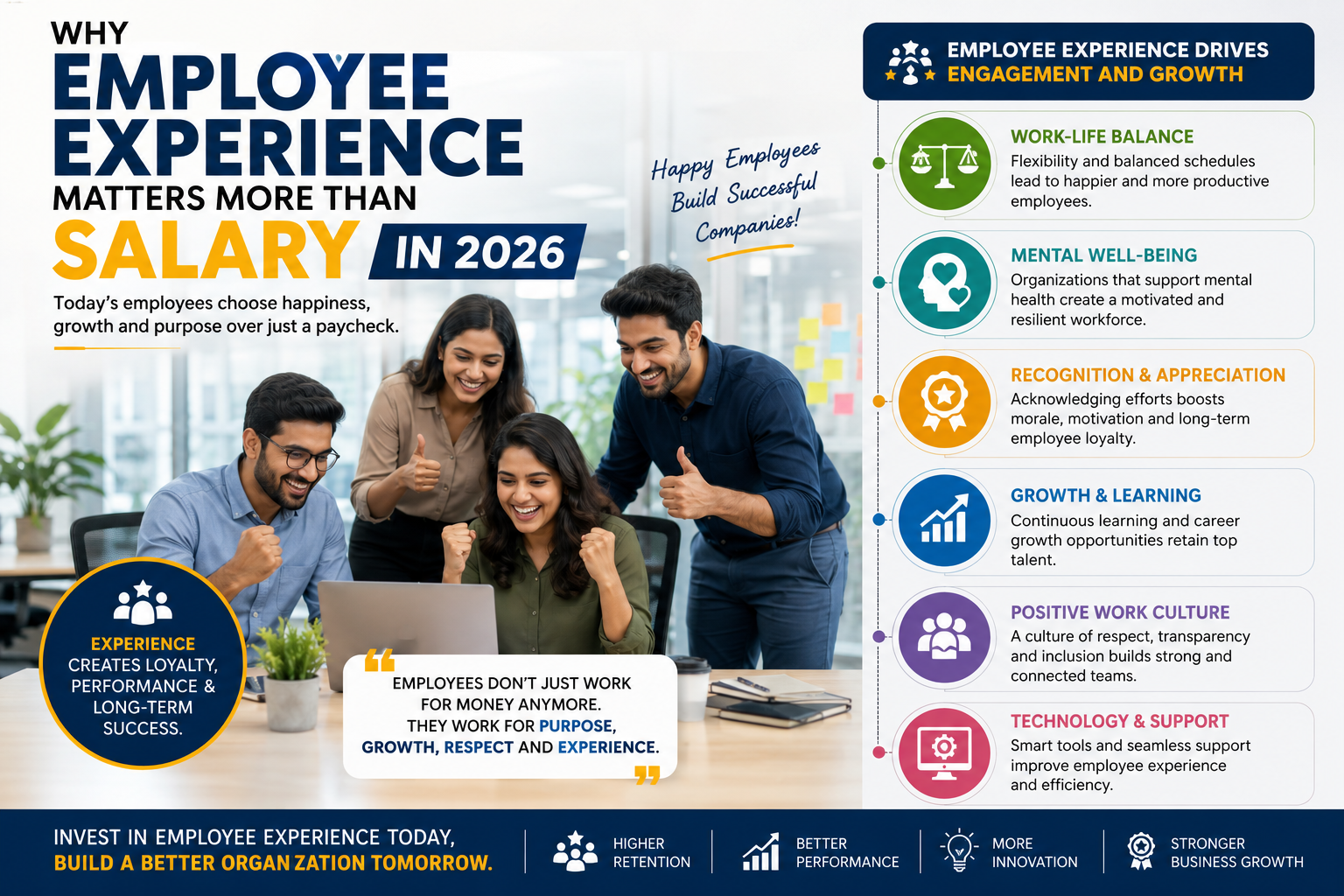
Why Employee Experience Matters More Than Salary in 2026
In the modern corporate world, employees are no longer looking only for a paycheck. They want flexibility, growth opportunities, mental well-being, appreciation, work-life balance, and a positive workplace culture. Companies that fail to provide a strong employee experience are struggling with high attrition rates, low productivity, and talent shortages.
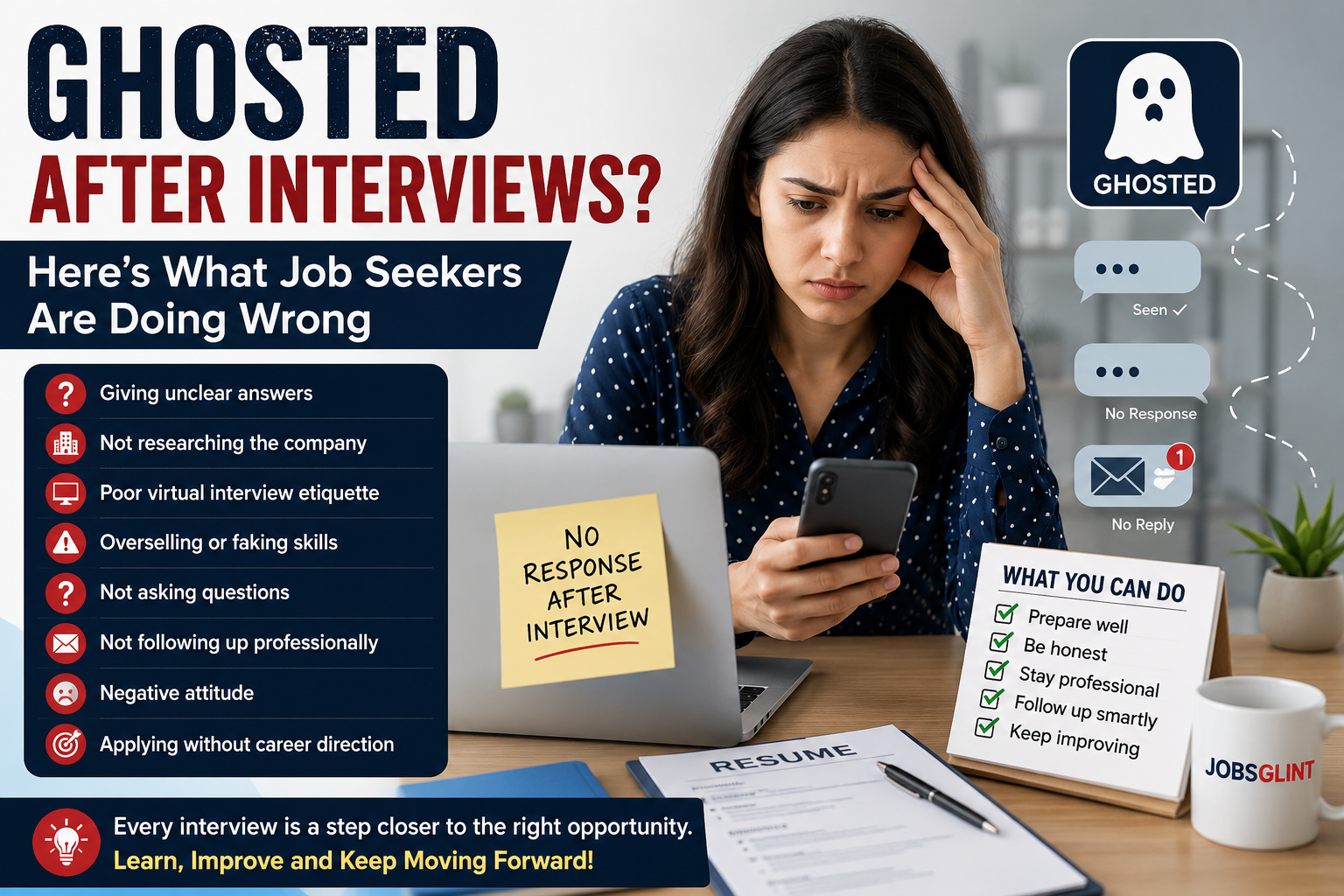
Ghosted After Interviews? Here’s What Job Seekers Are Doing Wrong
In today’s competitive hiring market, one of the biggest frustrations job seekers face is getting “ghosted” after interviews. You apply for a role, clear multiple interview rounds, feel confident about your performance — and then suddenly, silence. No calls, no emails, no updates.
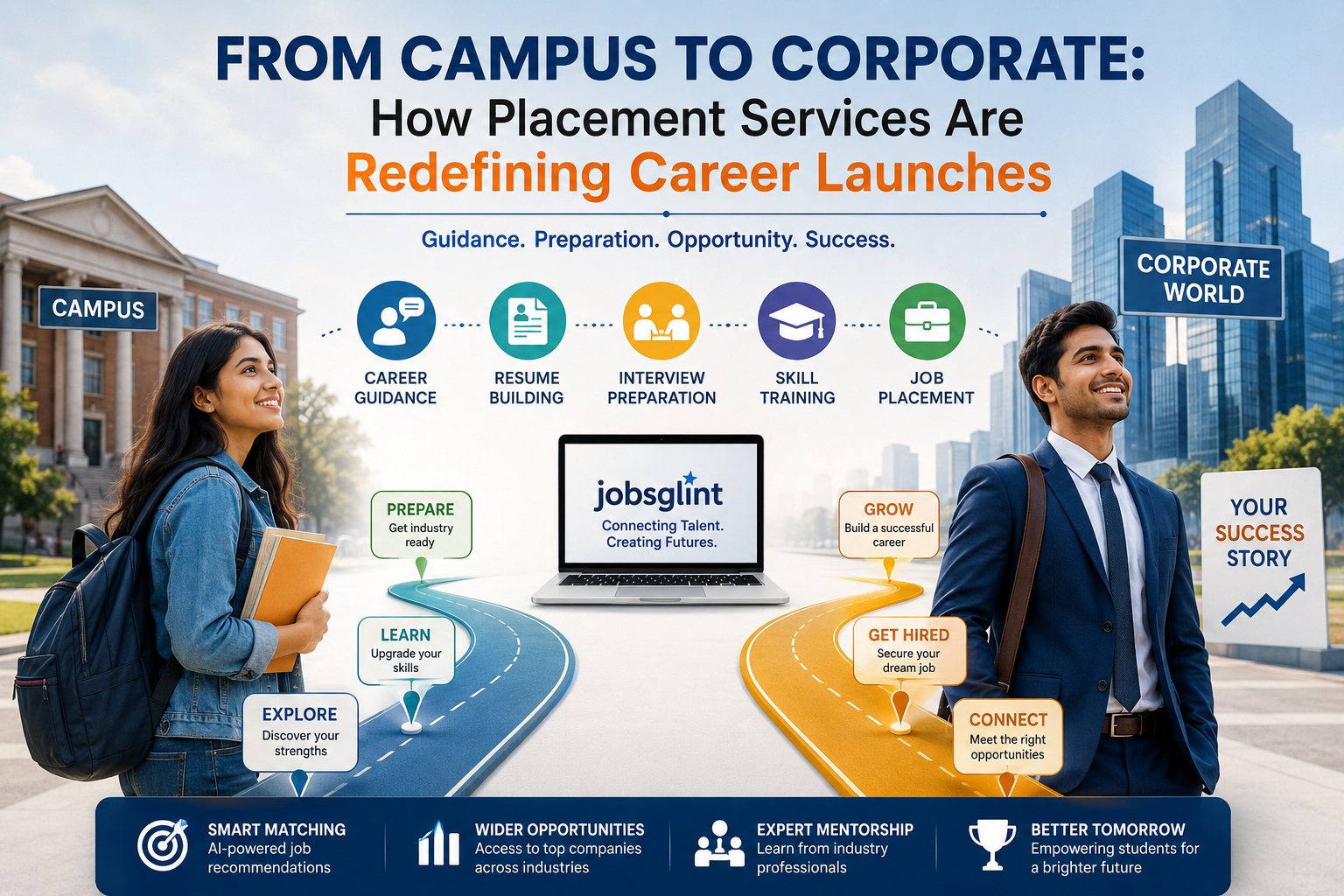
From Campus to Corporate: How Placement Services Are Redefining Career Launches
Traditional job hunting methods, where students relied solely on degrees and generic resumes, are rapidly becoming outdated. Today, placement assistance platforms like Jobsglint are reshaping how fresh graduates step into the professional world.
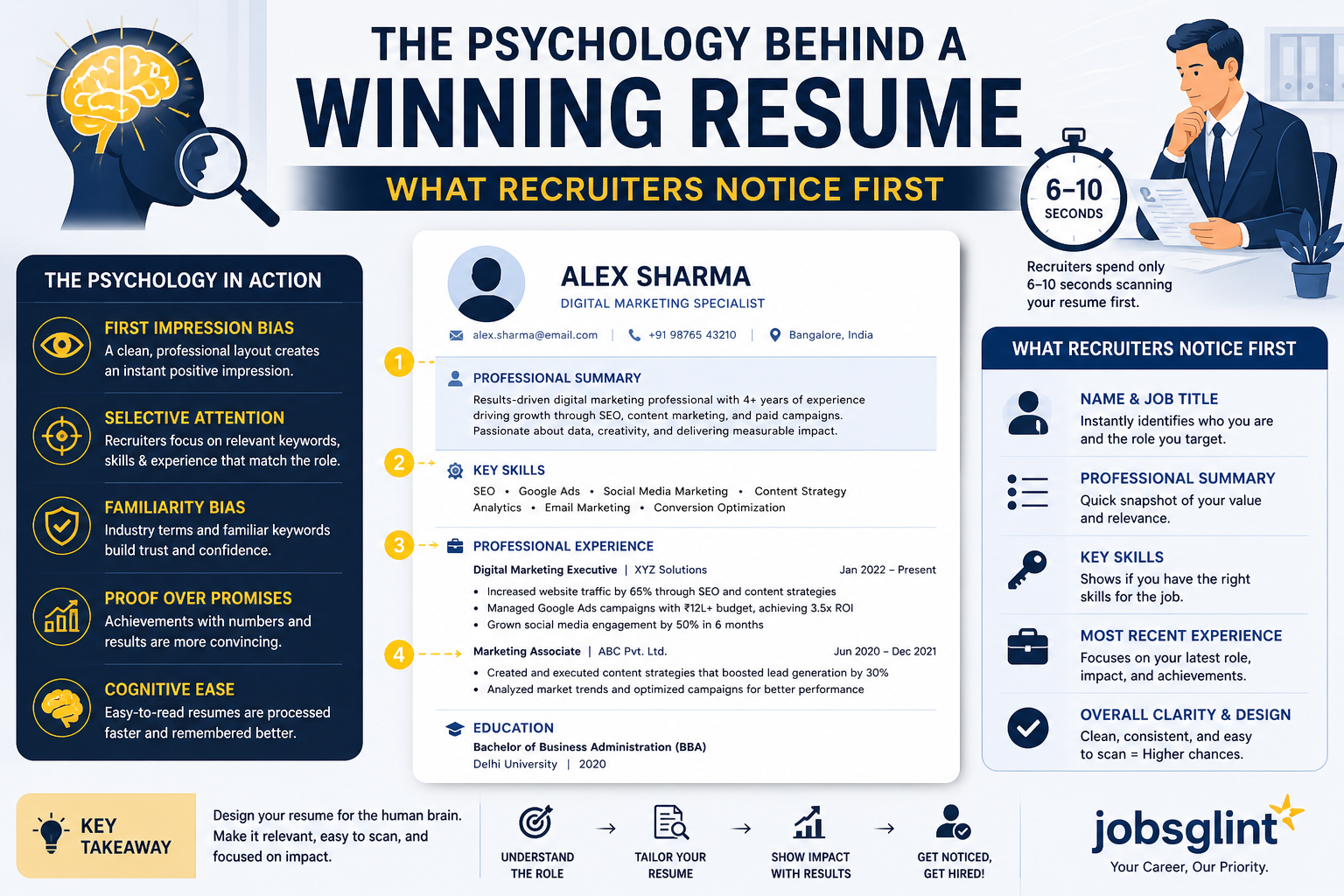
The Psychology Behind a Winning Resume: What Recruiters Notice First
Studies suggest recruiters spend 6–10 seconds scanning a resume initially. That means your success depends not only on what you write, but how it is perceived instantly.
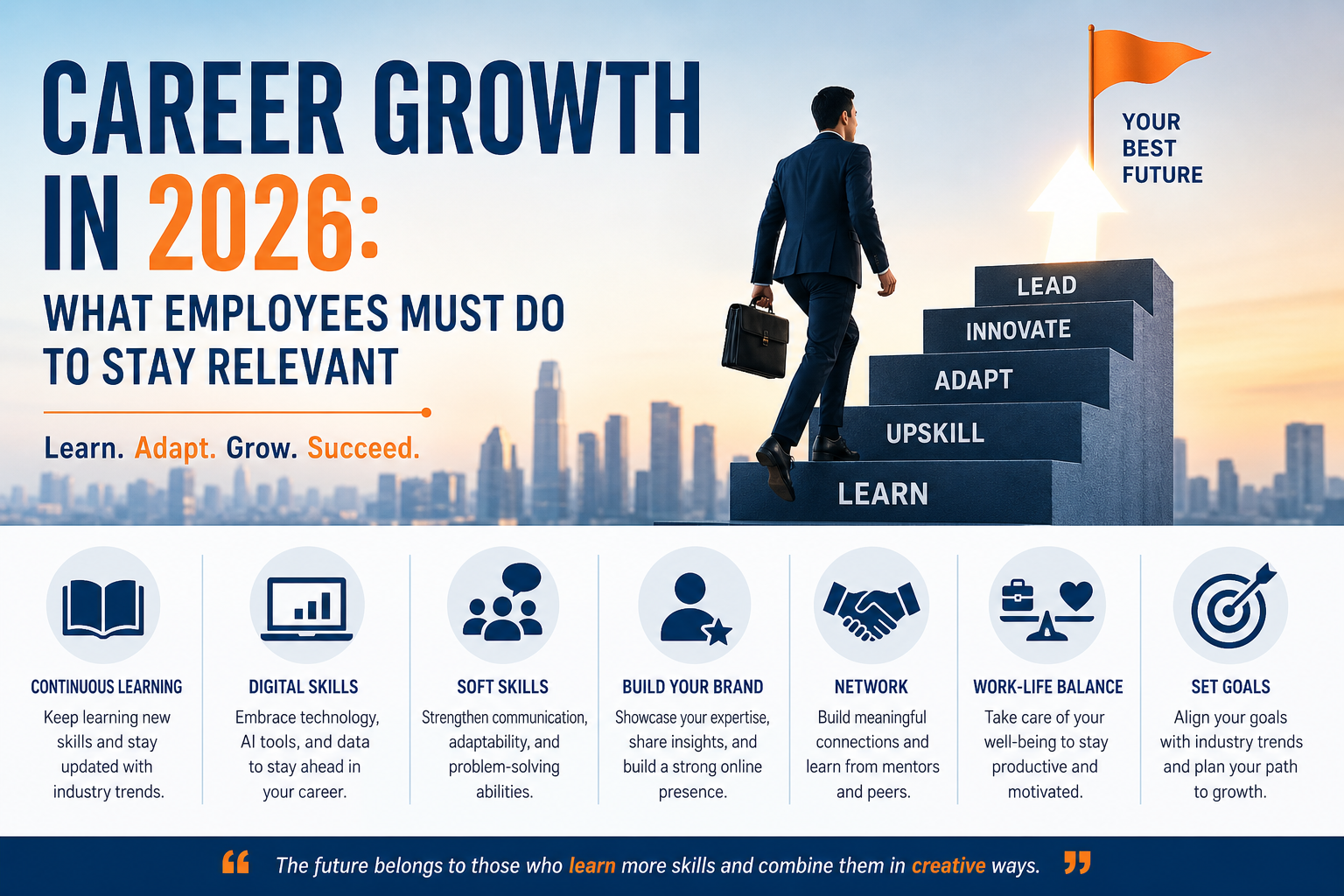
Career Growth in 2026: What Employees Must Do to Stay Relevant
The world of work is evolving faster than ever. With rapid advancements in technology, shifting workplace expectations, and the rise of automation, the definition of “career growth” has changed dramatically. In 2026, staying relevant is no longer about years of experience alone—it’s about adaptability, continuous learning, and strategic career planning.
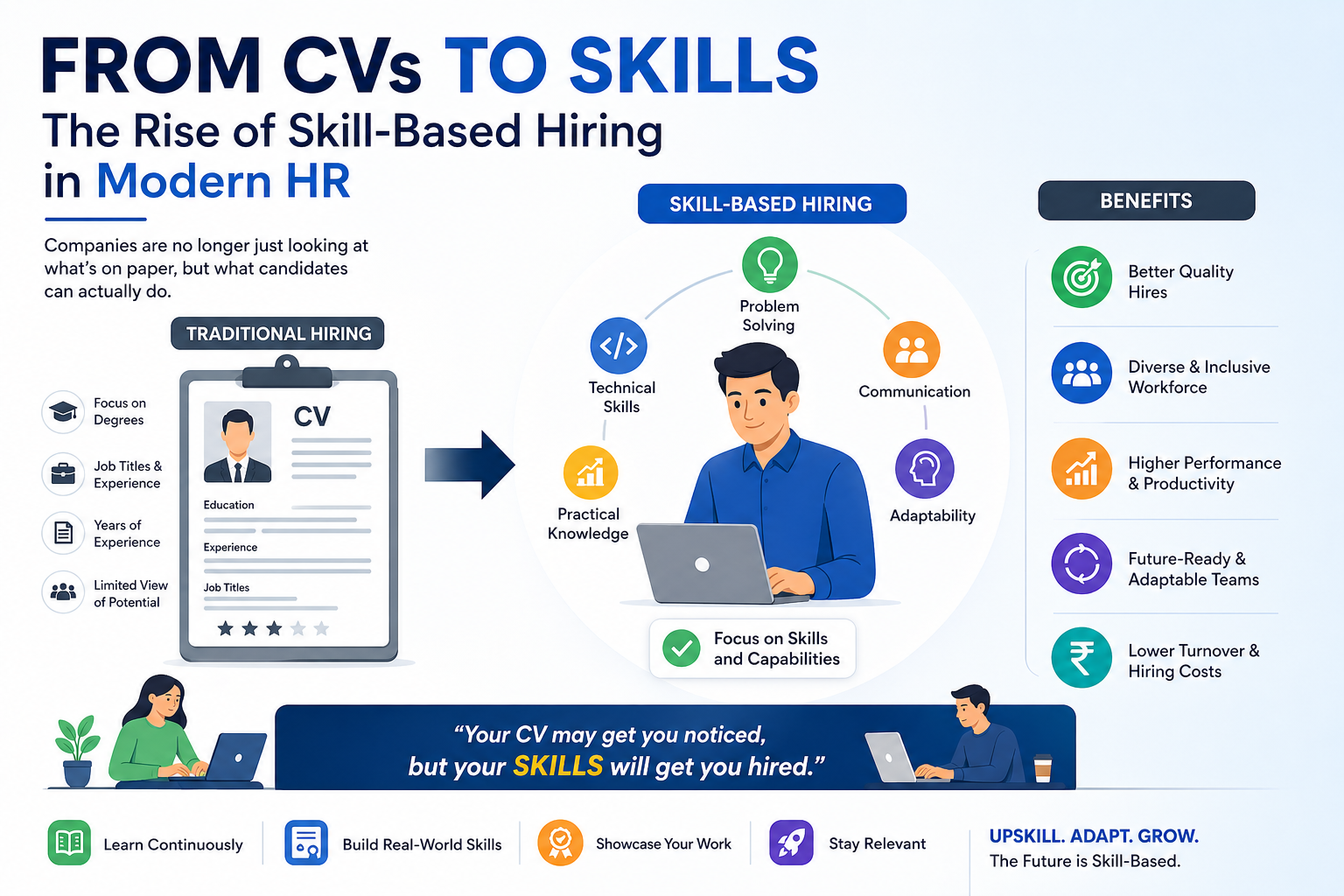
From CVs to Skills: The Rise of Skill-Based Hiring in Modern HR
For decades, recruitment has revolved around one central document: the CV. Degrees, job titles, and years of experience were treated as the ultimate indicators of a candidate’s potential. But in today’s rapidly evolving job market, this traditional approach is losing relevance. Companies are no longer asking, “Where did you work?”—they’re asking, “What can you actually do?”
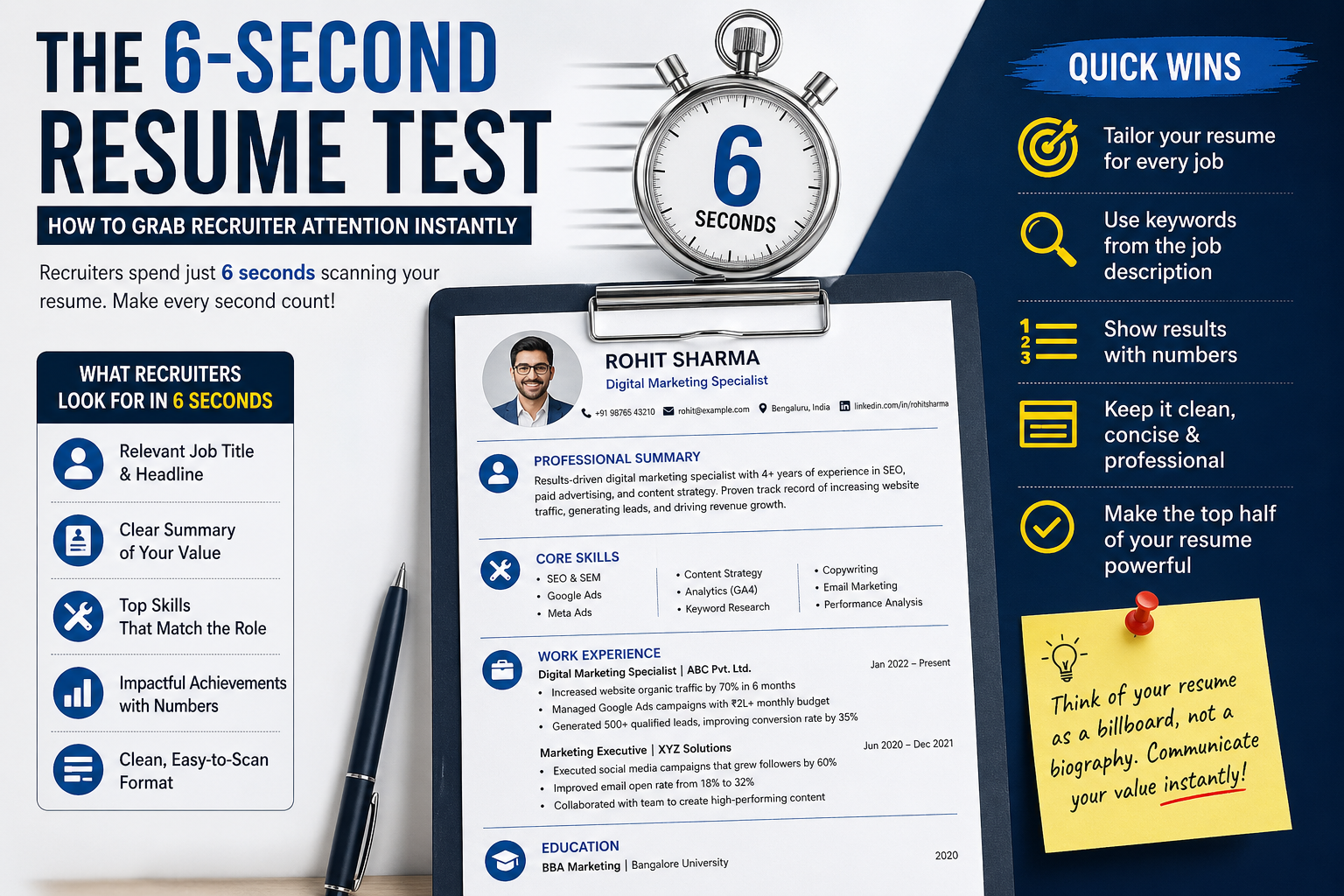
The 6-Second Resume Test: How to Grab Recruiter Attention Instantly
In today’s fast-moving job market, your resume isn’t being read—it’s being scanned. Multiple studies and recruiter insights suggest that hiring managers spend just 6–8 seconds on an initial resume review. That’s it. In those few seconds, they decide whether your profile is worth a deeper look or a quick rejection.
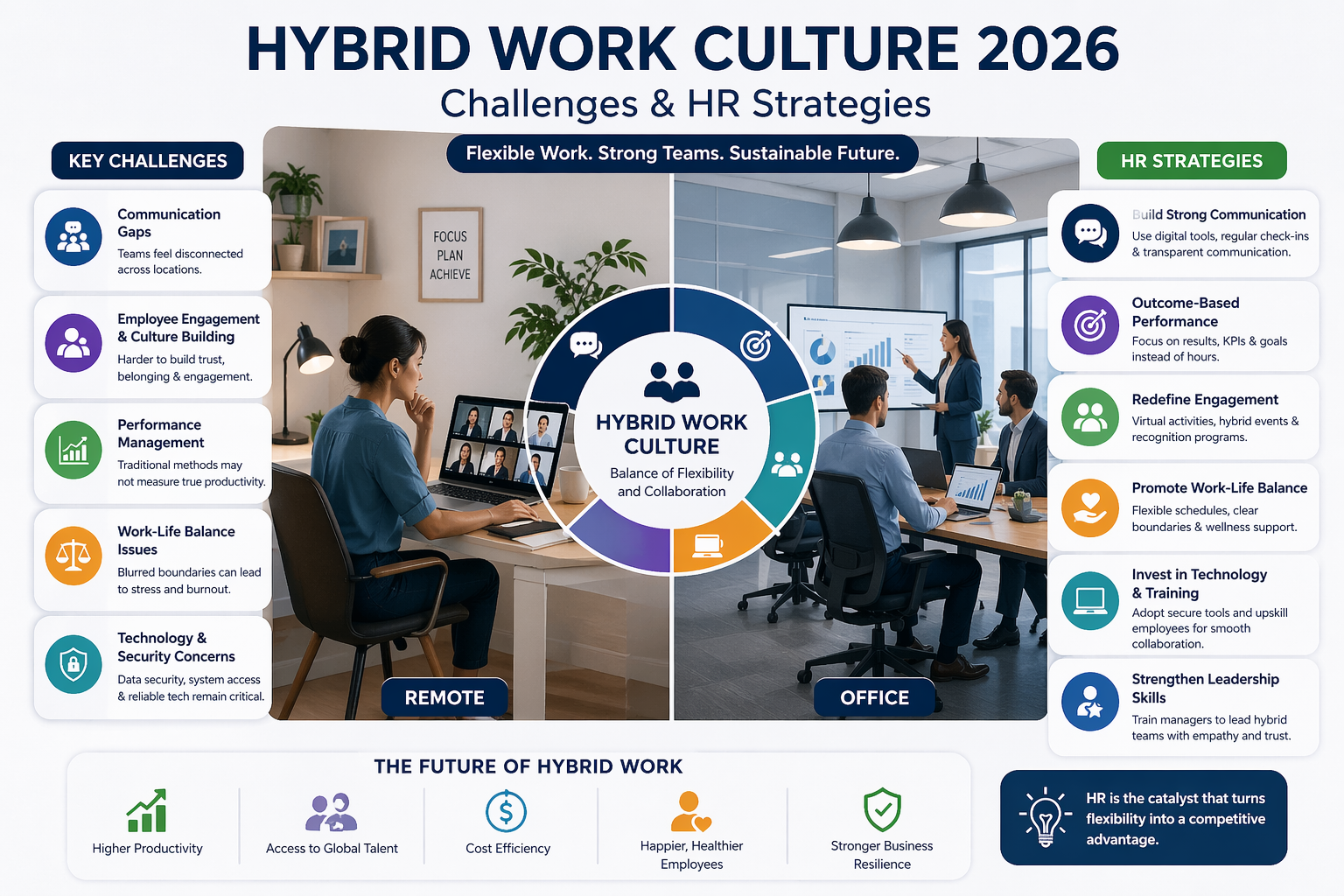
Hybrid Work Culture 2026: Challenges & HR Strategies
Organizations across industries are blending remote and in-office work to offer flexibility, improve productivity, and attract top talent. However, while hybrid work brings many benefits, it also introduces unique challenges that HR professionals must address strategically.
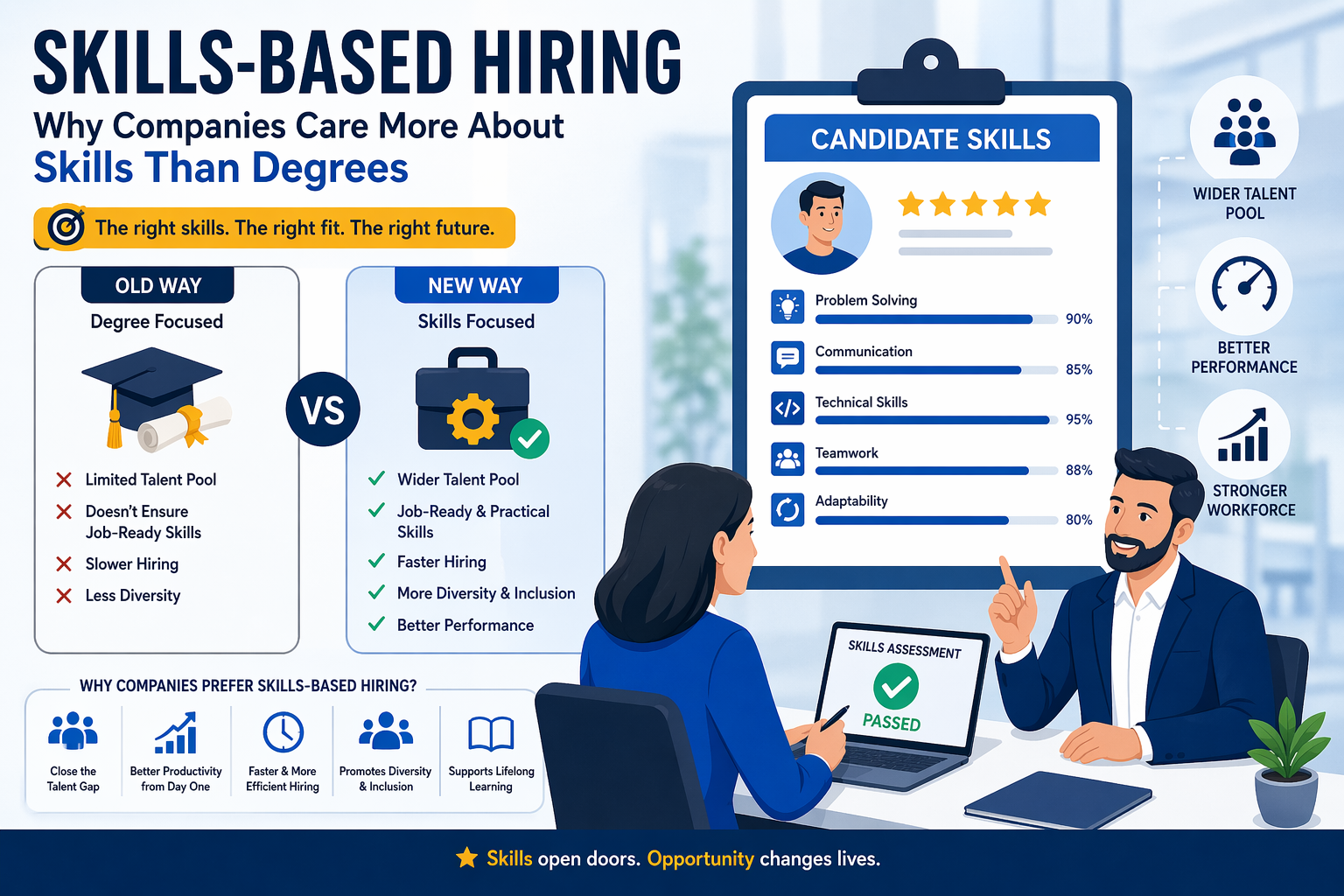
Skills-Based Hiring: Why Companies Care More About Skills Than Degrees
In 2026, this trend has become even more prominent as businesses seek employees who can adapt quickly, solve real-world problems, and contribute immediately. With technological advancements, changing workforce demands, and a growing emphasis on practical knowledge, companies are increasingly valuing skills over traditional qualifications.
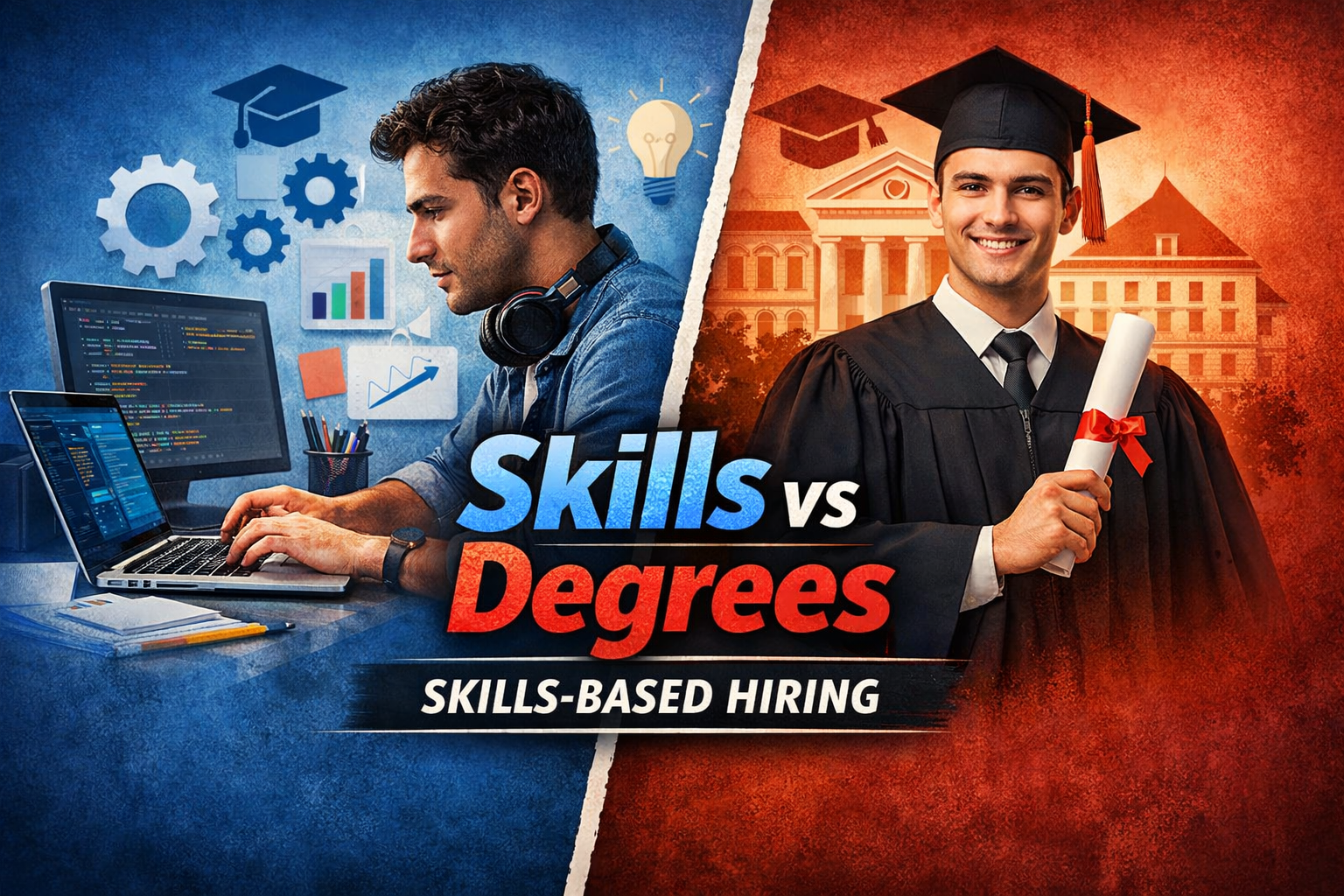
Skills vs Degrees: Why Companies Are Moving to Skills-Based Hiring
Today, organizations are increasingly asking a simple but powerful question: What can a candidate actually do? This shift toward skills-based hiring is reshaping recruitment strategies and redefining how talent is identified and developed.
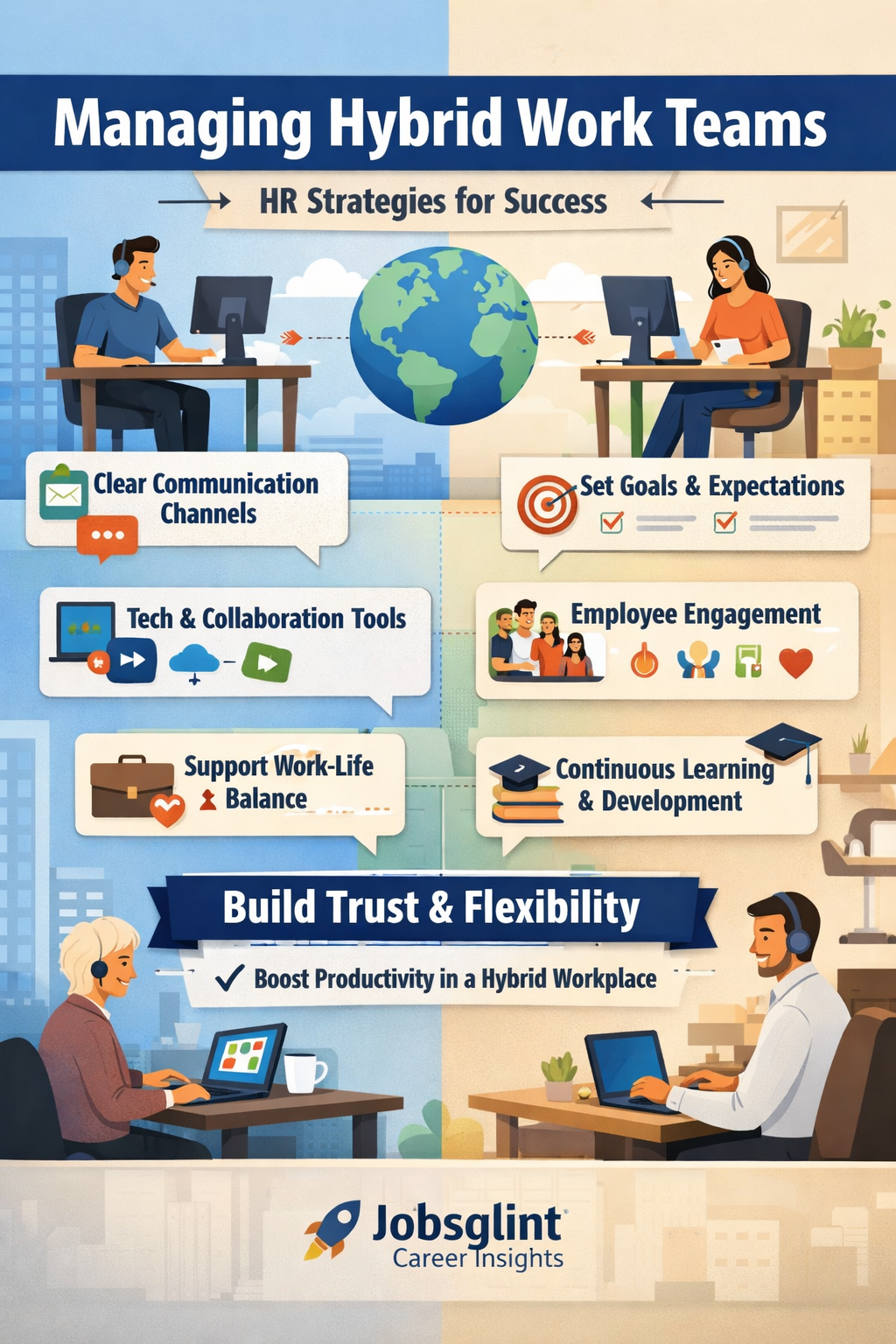
Hybrid Work Culture: HR Strategies for Managing Remote Teams
Hybrid work offers flexibility, improves work-life balance, and helps companies access talent from anywhere. However, managing remote and hybrid teams comes with its own challenges. Human Resource professionals play a critical role in ensuring that productivity, communication, and employee engagement remain strong in a hybrid environment.
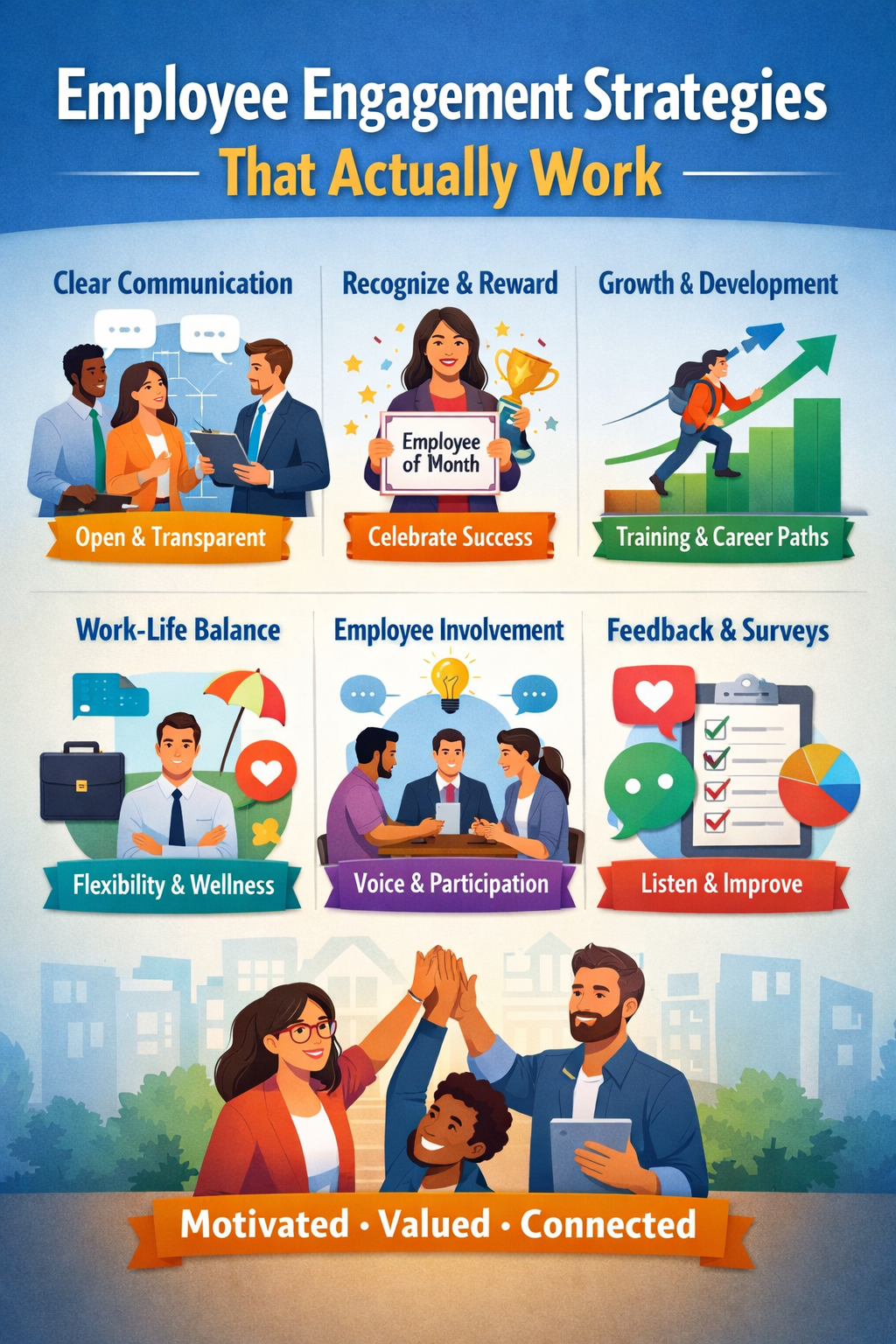
Employee Engagement Strategies That Actually Work
Engaged employees are more productive, more committed to their roles, and more likely to stay with their organization for a longer period. However, many companies struggle to build real engagement because they focus only on perks rather than meaningful strategies.
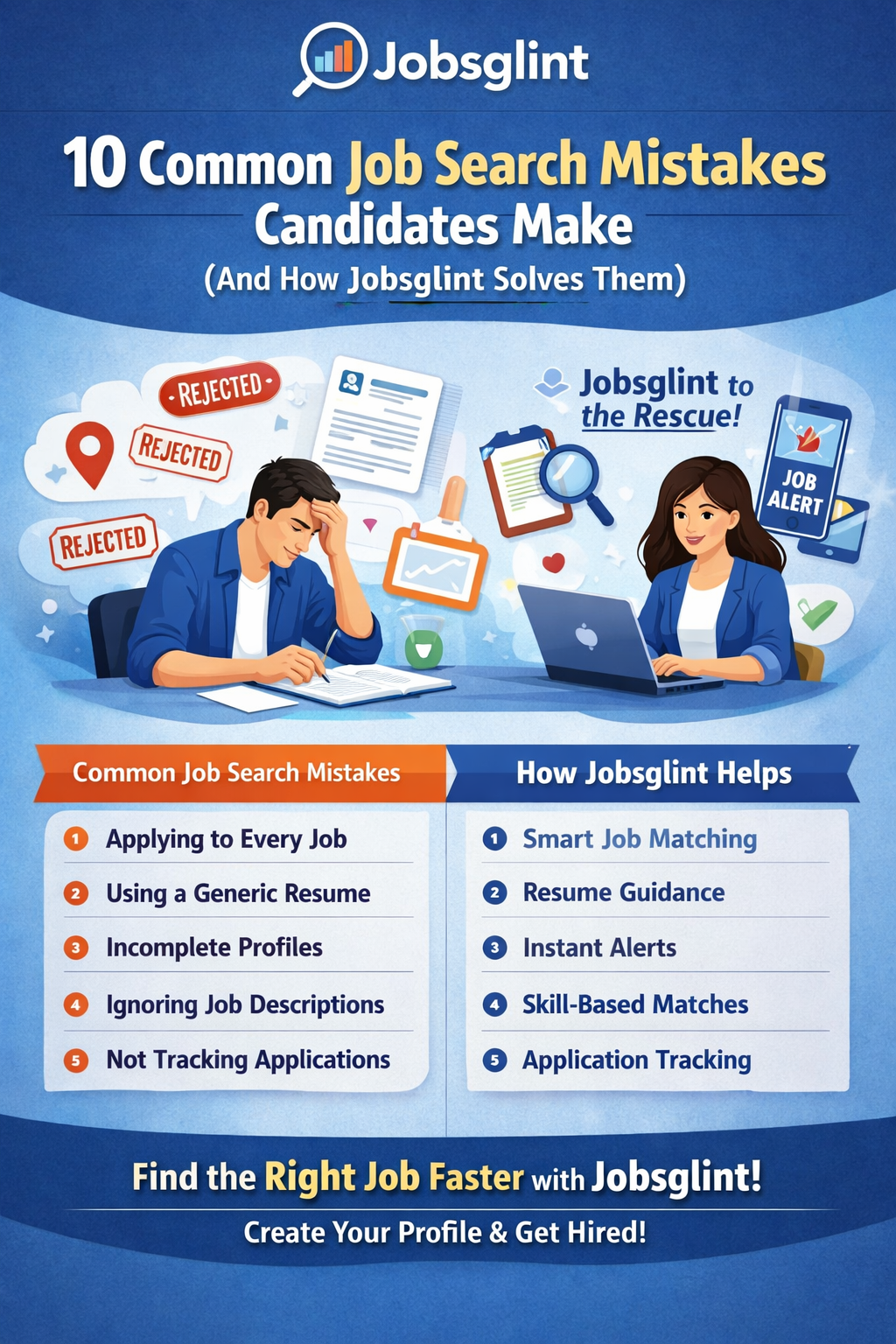
10 Common Job Search Mistakes Candidates Make (And How Jobsglint Solves Them)
From applying randomly to using the same resume for every role, these mistakes can reduce the chances of getting noticed by recruiters. The good news is that with the right strategy and tools, these problems can be solved. Platforms like Jobsglint are designed to help candidates avoid these mistakes and find the right opportunities faster.
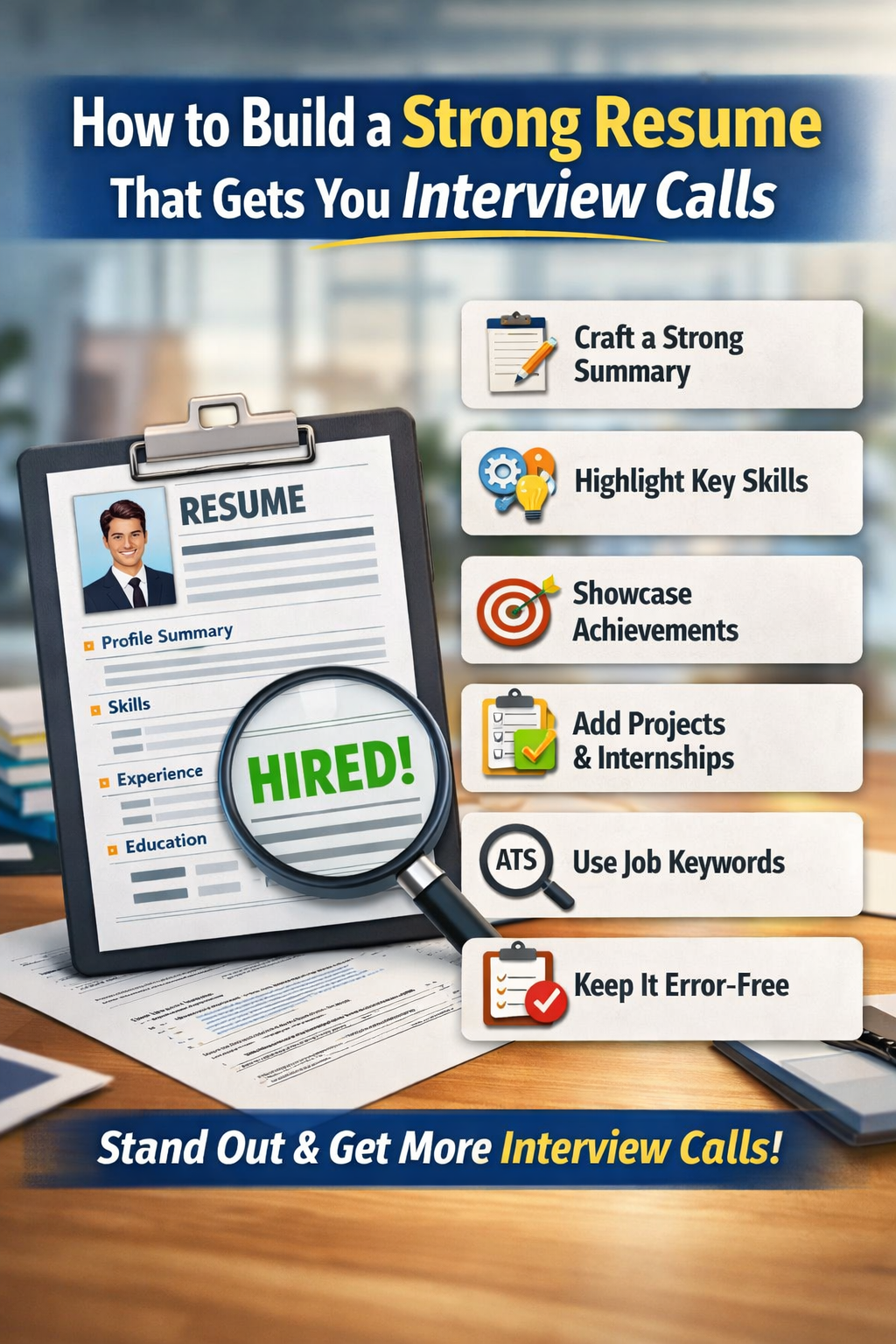
How to Build a Strong Resume That Gets You Interview Calls
Building a strong resume is not just about listing your qualifications; it’s about presenting your skills, achievements, and potential in a clear and professional way. Here are some essential tips to help you create a resume that stands out.
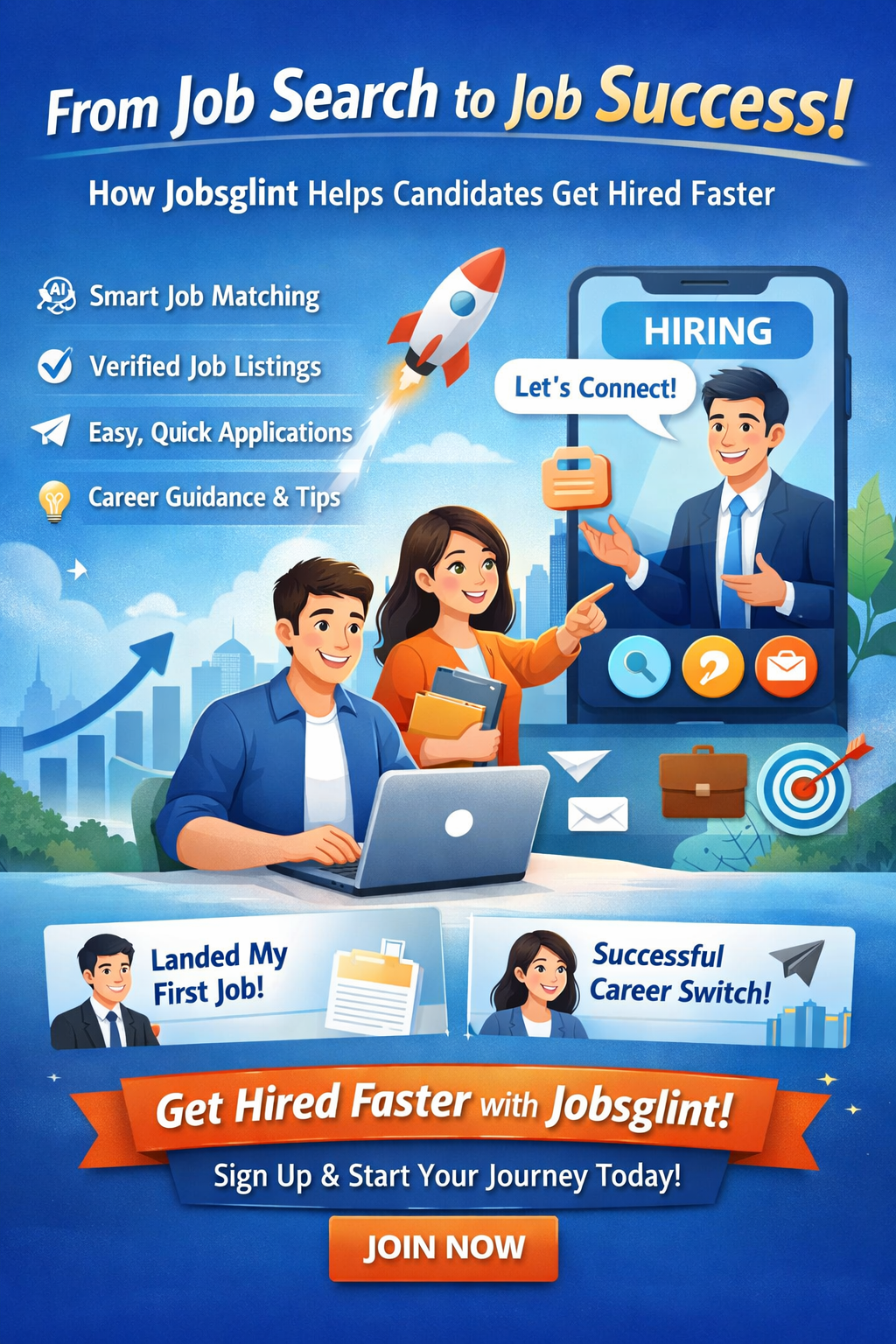
From Job Search to Job Success: How Jobsglint Helps Candidates Get Hired Faster
Many candidates send dozens of applications but receive little to no feedback. The lack of proper guidance and the slow hiring process can make the job search frustrating and discouraging. This is where Jobsglint steps in as a smarter and more efficient solution.
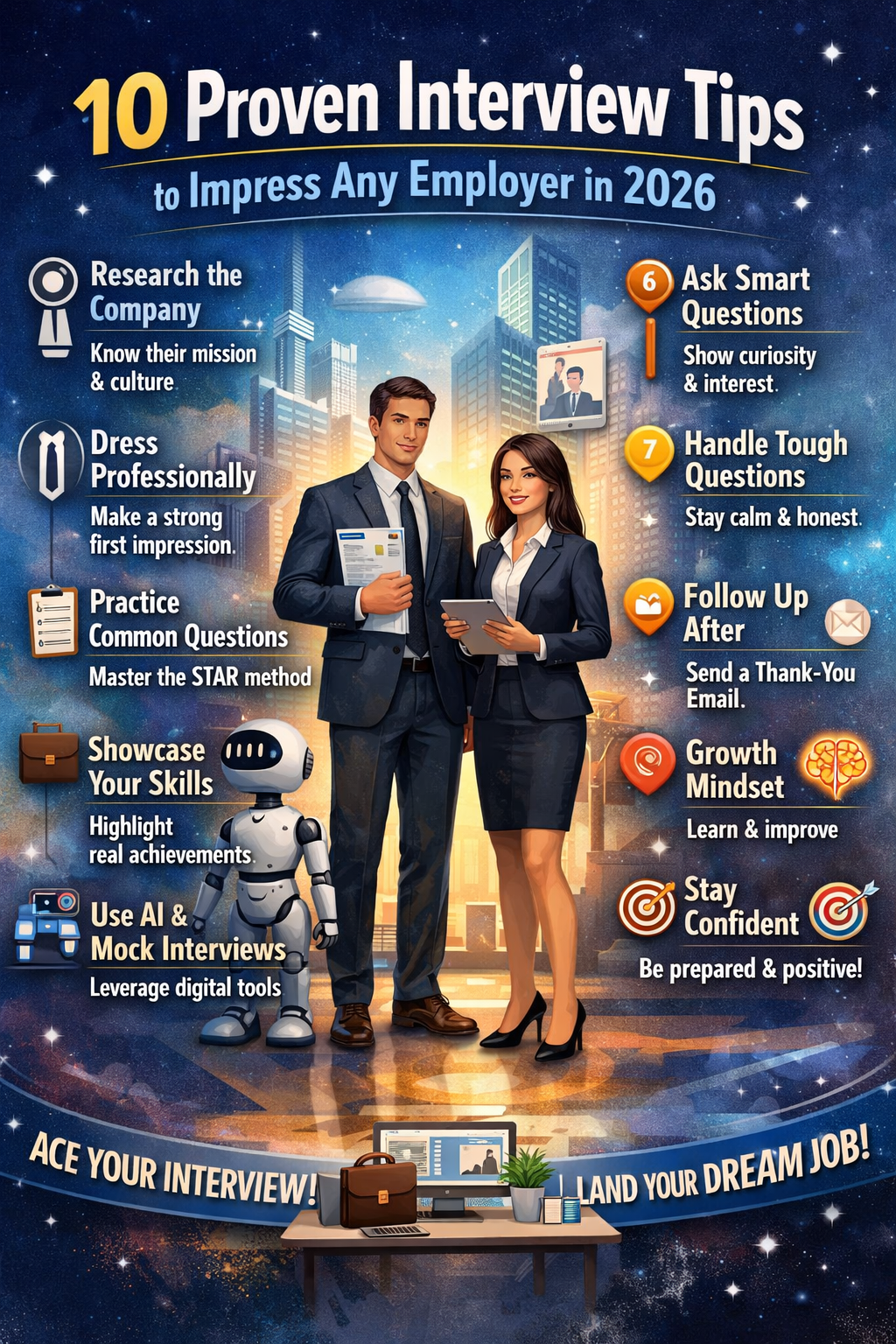
10 Proven Interview Tips to Impress Any Employer in 2026
With increasing competition and the growing influence of technology in recruitment, candidates must approach interviews strategically. Preparation, communication, and self-awareness have become essential factors for success. This article will guide you through 10 proven interview tips that can help you make a strong impression and increase your chances of landing your dream job.
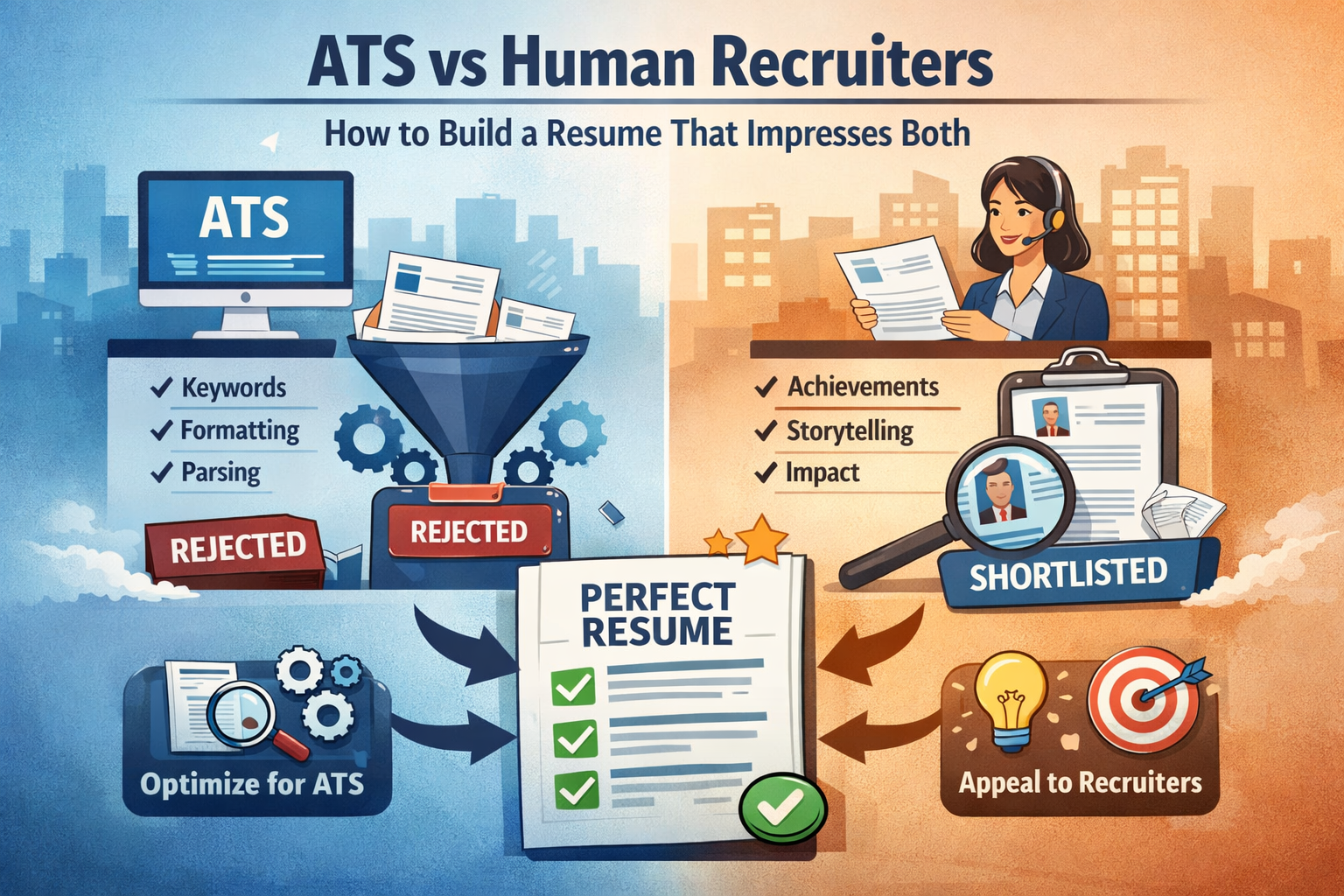
ATS vs Human Recruiters: How to Build a Resume That Impresses Both
Many companies now use Applicant Tracking Systems (ATS) to filter and organize thousands of job applications. This means your resume must be optimized not only for people but also for software.
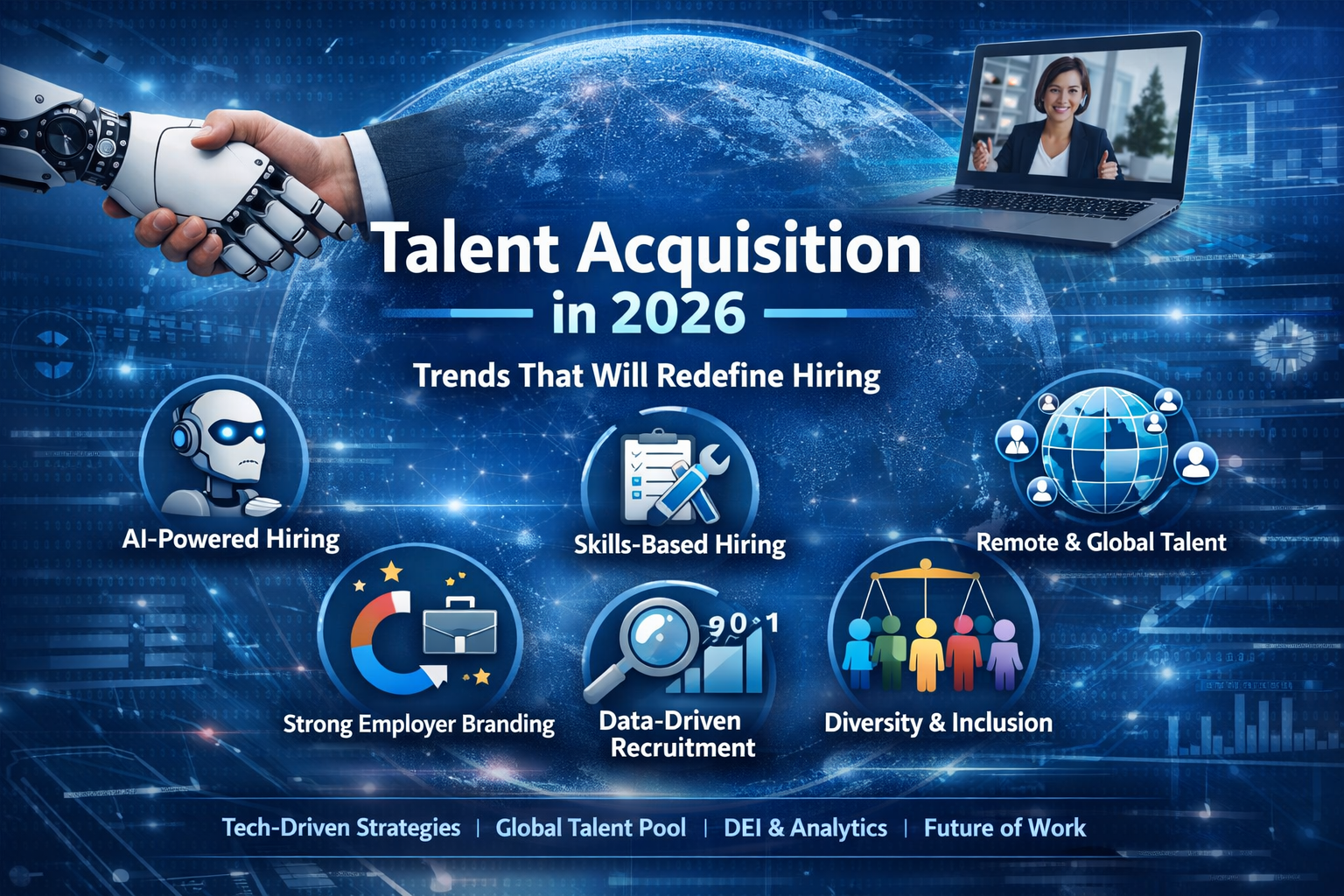
Talent Acquisition in 2026: Trends That Will Redefine Hiring
In 2026, talent acquisition is no longer just about filling open positions. It has become a strategic function that focuses on building a strong workforce for the future. Companies that fail to adapt to these changes risk losing skilled professionals to more innovative competitors.
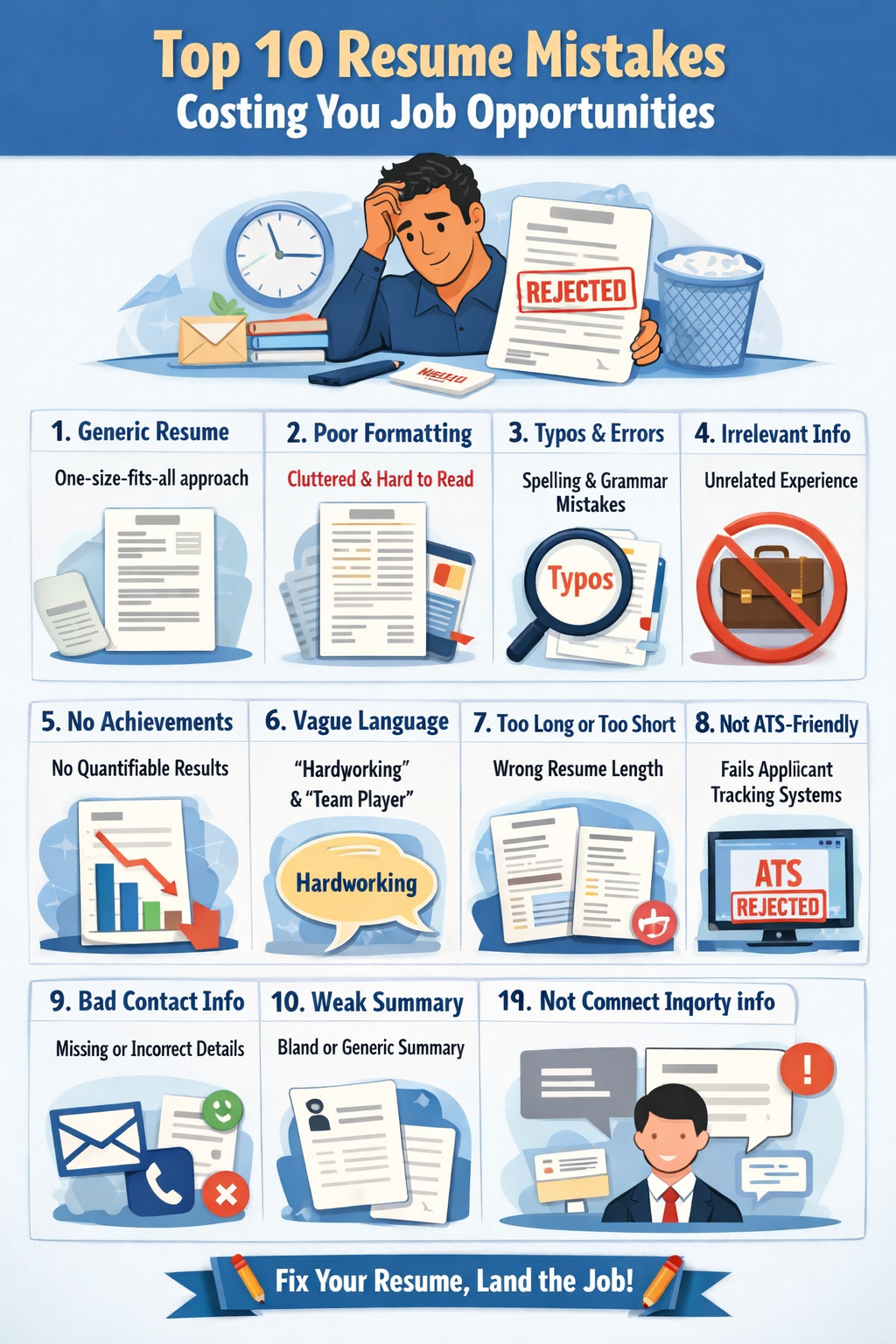
Top 10 Resume Mistakes That Are Costing You Job Opportunities
In today’s highly competitive job market, a well-crafted resume is one of the most important tools for job seekers. Your resume is often the first impression a recruiter has of you, and that first impression can determine whether you move forward in the hiring process or get rejected immediately.
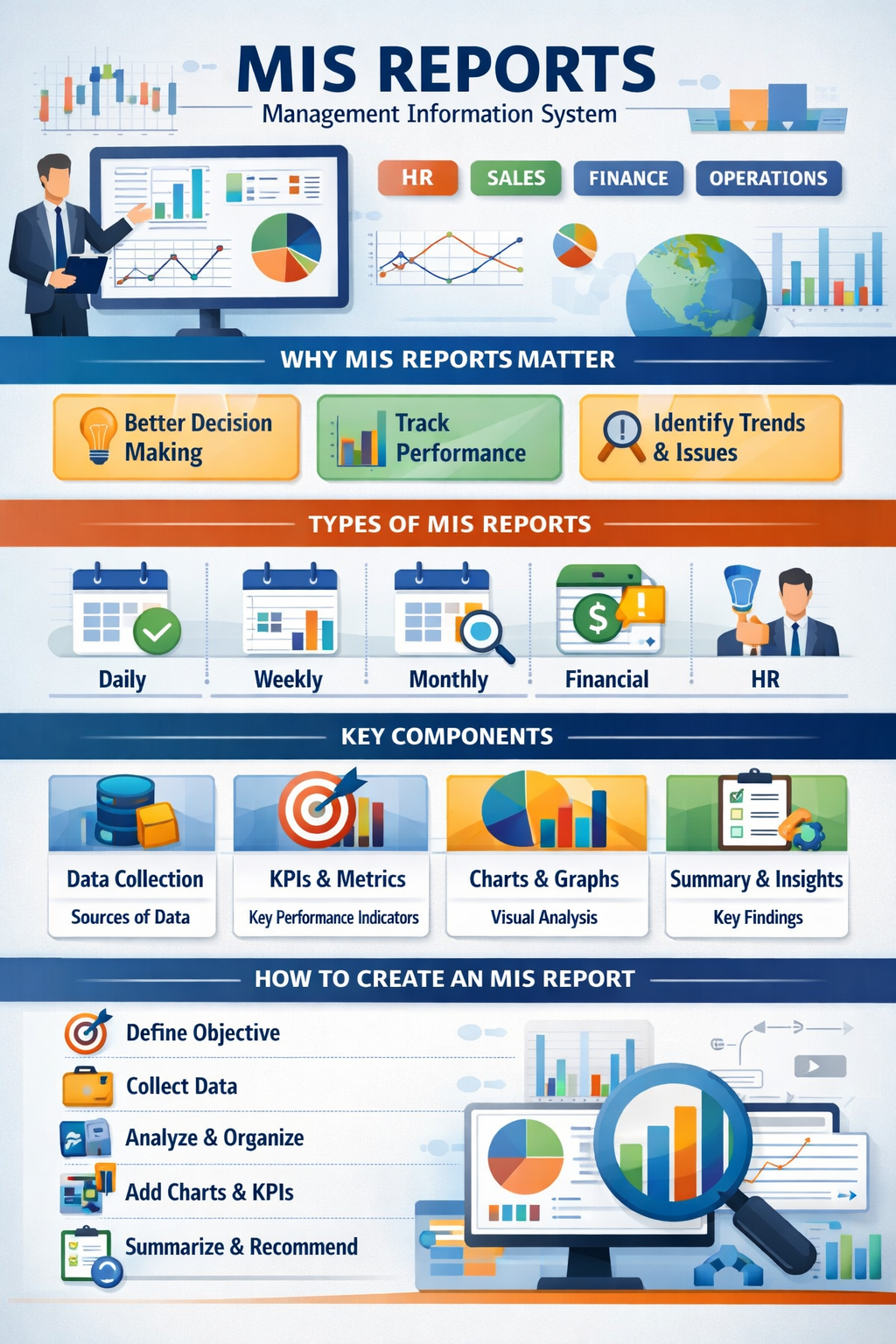
What is MIS Report? Types and How to Create It Perfectly
In today’s data-driven business environment, organizations rely heavily on accurate information to make effective decisions. One of the most important tools used for this purpose is the MIS report. MIS reports help businesses collect, organize, and analyze data so that managers can understand performance and make better strategic decisions.
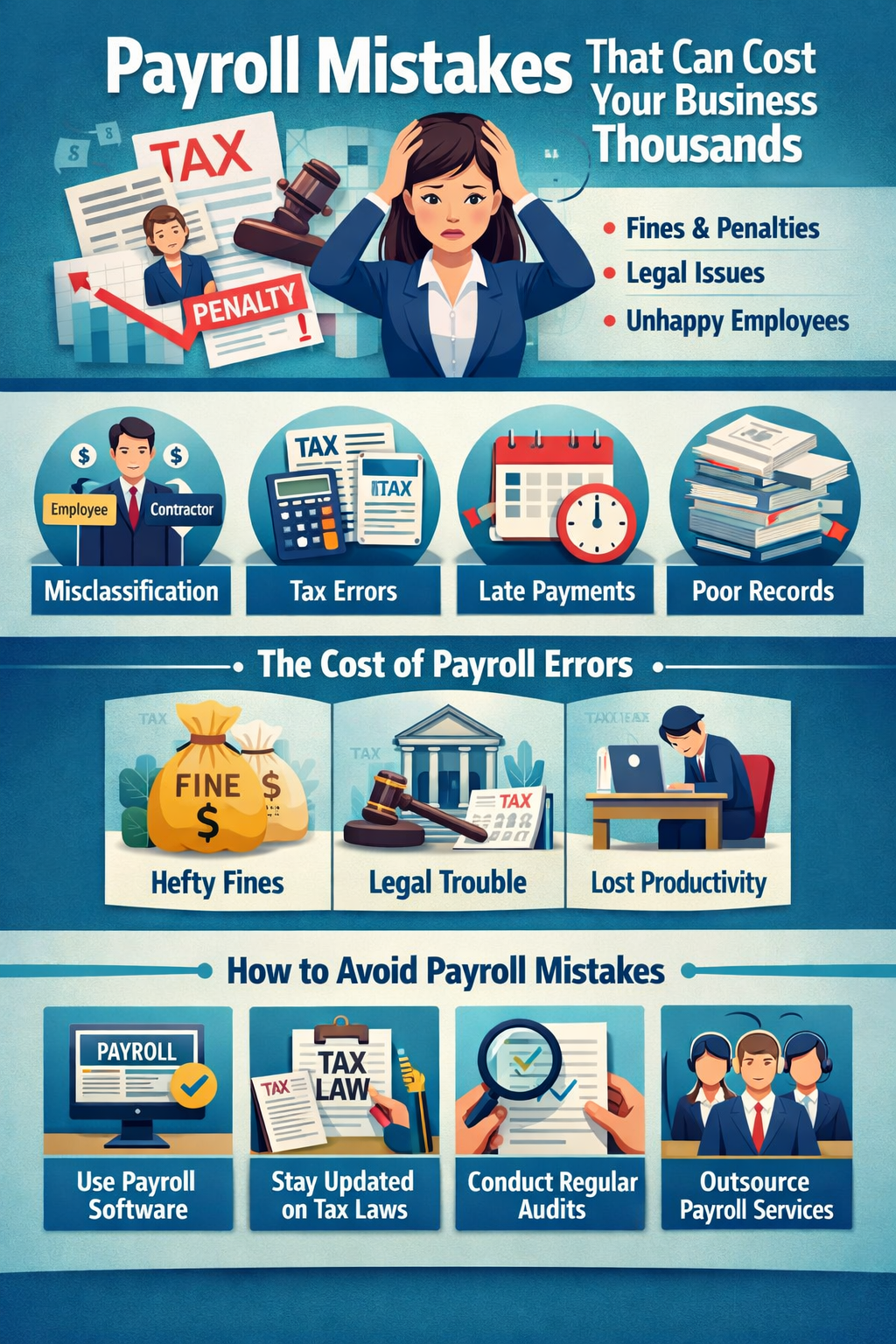
One Payroll Mistake Can Cost You Thousands: Here’s How to Avoid It
In this article, we will explore some of the most common payroll mistakes businesses make, the real cost of those errors, and practical ways to prevent them.
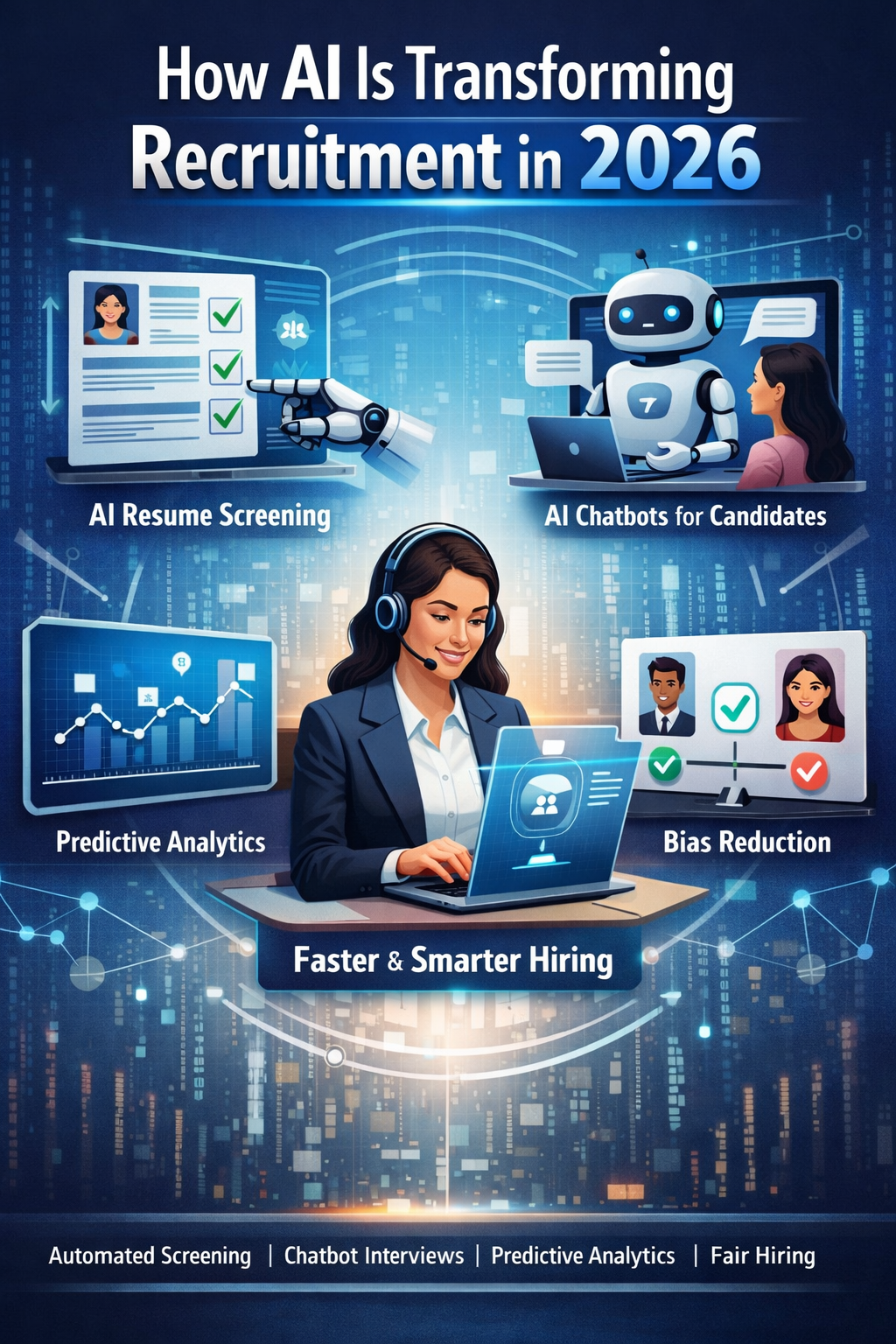
How AI Is Transforming Recruitment in 2026
AI-driven recruitment tools are becoming essential for HR teams. These technologies not only streamline hiring processes but also improve candidate experience and reduce recruitment costs.