Introduction
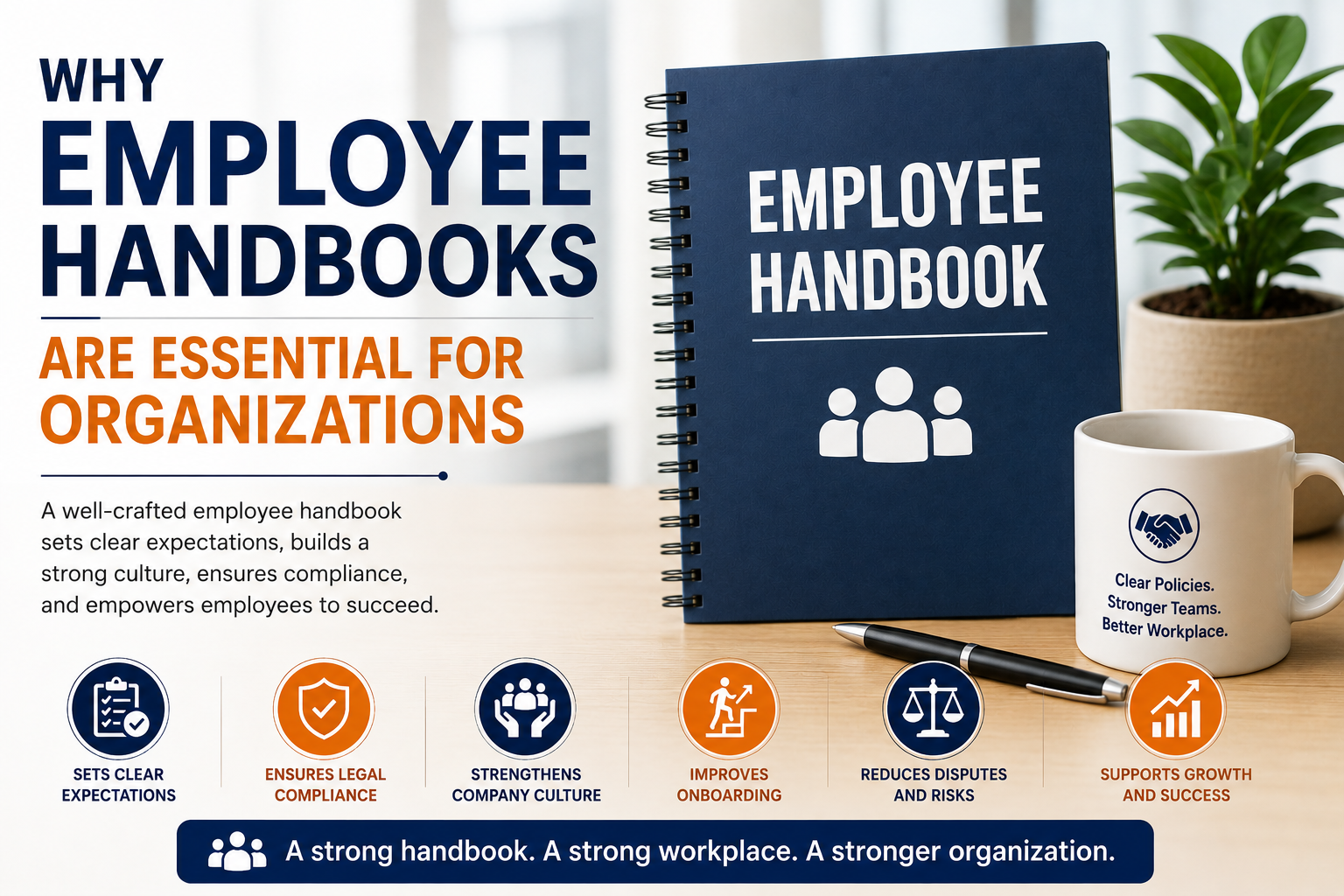
In every successful organization, clear communication and well-defined workplace policies are the foundation of a productive work environment. Whether a company has 10 employees or 10,000, every team member should understand the organization's expectations, values, and policies from day one. This is where an employee handbook becomes an invaluable resource.
An employee handbook is more than just a document outlining workplace rules. It serves as a guide that helps employees understand company culture, benefits, responsibilities, and professional standards. It also protects employers by ensuring that policies are communicated clearly and consistently.
At Jobsglint, we understand the importance of strong HR practices in building successful organizations. A well-crafted employee handbook is one of the most effective tools for creating a transparent and compliant workplace.
What Is an Employee Handbook?
An employee handbook is an official document that provides employees with essential information about an organization's policies, procedures, workplace expectations, and benefits. It acts as a reference guide for both new hires and existing employees throughout their employment journey.
A comprehensive handbook generally includes:
1.Company mission and vision
2.Code of conduct
3.Attendance and leave policies
4.Working hours
5.Compensation and benefits
6.Performance expectations
7.Workplace safety guidelines
8.Anti-harassment and discrimination policies
9.Disciplinary procedures
IT and data security policies
10.Resignation and termination procedures
By documenting these policies, organizations establish a consistent framework for managing their workforce.
Creates Clear Expectations
One of the biggest challenges organizations face is ensuring every employee understands workplace expectations. Without proper documentation, misunderstandings can easily occur.
An employee handbook clearly explains:
1.Professional behavior standards
2.Attendance requirements
3.Dress code
4.Communication protocols
5.Ethical responsibilities
6.Performance expectations
When employees know what is expected of them, they are more likely to perform confidently and professionally.
Supports Legal Compliance
Employment laws continue to evolve, making compliance an essential responsibility for every organization.
A properly written employee handbook helps organizations comply with applicable labor laws by documenting: 1.Equal employment opportunity policies
2.Workplace harassment prevention
3.Employee rights
Leave policies
4.Health and safety guidelines
5.Data privacy regulations
While a handbook does not replace legal advice, it demonstrates that the organization has communicated important workplace policies to employees, reducing potential legal risks.
Strengthens Company Culture
A company's culture is reflected in how employees interact, collaborate, and represent the organization.
An employee handbook introduces employees to the company's:
1.Mission
2.Vision
3.Core values
4.Leadership philosophy
5.Workplace ethics
6.Diversity and inclusion initiatives
When employees understand the organization's culture, they are more likely to align their behavior with company values and contribute positively to the workplace.
Improves Employee Onboarding
The onboarding process sets the tone for an employee's experience within the organization.
Providing an employee handbook during onboarding helps new hires:
1.Understand workplace expectations quickly
2.Learn organizational policies
3.Familiarize themselves with company procedures
4.Know where to find important information
5.Feel more confident in their new role
A structured onboarding experience improves employee engagement and reduces confusion during the initial stages of employment.
Ensures Consistency Across the Organization
Consistency is essential in HR management.
Without standardized policies, managers may handle similar situations differently, leading to confusion and employee dissatisfaction.
An employee handbook promotes consistency by ensuring that all employees receive the same information regarding:
1.Leave approvals
2.Attendance policies
3.Workplace conduct
4.Performance evaluations
5.Disciplinary actions
Consistent policy implementation helps create a fair and transparent work environment.
Reduces Workplace Conflicts
Many workplace disputes arise because employees are unaware of company policies.
An employee handbook minimizes misunderstandings by clearly defining:
1.Reporting structures
2.Grievance procedures
3.Conflict resolution processes
4.Workplace behavior expectations
5.Complaint mechanisms
Employees know how to address concerns appropriately, while managers have documented guidelines for resolving issues fairly.
Protects Business Interests
Every organization has confidential information that must be safeguarded.
Employee handbooks often include policies regarding:
1.Confidentiality agreements
2.Intellectual property
3.Use of company equipment
4.Social media conduct
5.Information security
6.Remote work practices
These policies help protect business assets while encouraging responsible employee behavior.
Enhances Employee Accountability
Employees are more accountable when policies are documented and easily accessible.
A handbook ensures employees understand:
Their responsibilities
Organizational standards
Performance expectations
Compliance requirements
When expectations are communicated clearly, it becomes easier to measure performance and address policy violations objectively.
Encourages Professional Development
Modern employee handbooks increasingly include information about learning and career growth opportunities.
Organizations may outline:
1.Training programs
2.Skill development initiatives
3.Career advancement opportunities
4.Performance review processes
5.Leadership development programs
This demonstrates the organization's commitment to employee growth and encourages continuous learning.
Supports Remote and Hybrid Work Policies
As remote and hybrid work models become more common, organizations need clear guidelines for distributed teams.
A modern employee handbook should include policies related to:
1.Remote work expectations
2.Working hours
3.Communication protocols
4.Cybersecurity practices
5.Equipment usage
6.Productivity standards
These guidelines help employees work effectively regardless of location.
Why Organizations Should Regularly Update Employee Handbooks
Business environments, workplace laws, and HR practices continue to evolve.
Organizations should review and update their employee handbooks regularly to reflect: 1.Changes in labor laws
2.New workplace policies
3.Updated employee benefits
4.Technology usage guidelines
5.Organizational restructuring
6.Industry best practices
Regular updates ensure that the handbook remains accurate and relevant.
How Jobsglint Supports Better HR Practices
At Jobsglint, we recognize that effective HR documentation plays a vital role in organizational success. Beyond connecting businesses with qualified talent, we support organizations by promoting HR best practices that improve employee engagement, compliance, and workplace transparency.
A professionally designed employee handbook helps organizations establish clear communication, strengthen workplace culture, reduce legal risks, and build trust among employees. Whether you're a growing startup or an established enterprise, investing in a comprehensive employee handbook is a smart step toward creating a productive and well-managed workforce.
Conclusion
An employee handbook is far more than a collection of workplace rules—it is a strategic HR resource that benefits both employers and employees. By providing clear policies, promoting consistency, supporting compliance, and reinforcing company values, it creates a stronger foundation for organizational success.
Organizations that invest in developing and maintaining a comprehensive employee handbook are better equipped to foster a positive work environment, improve employee satisfaction, and navigate workplace challenges with confidence. In today's competitive business landscape, a well-crafted employee handbook is not just helpful—it is essential.