Introduction
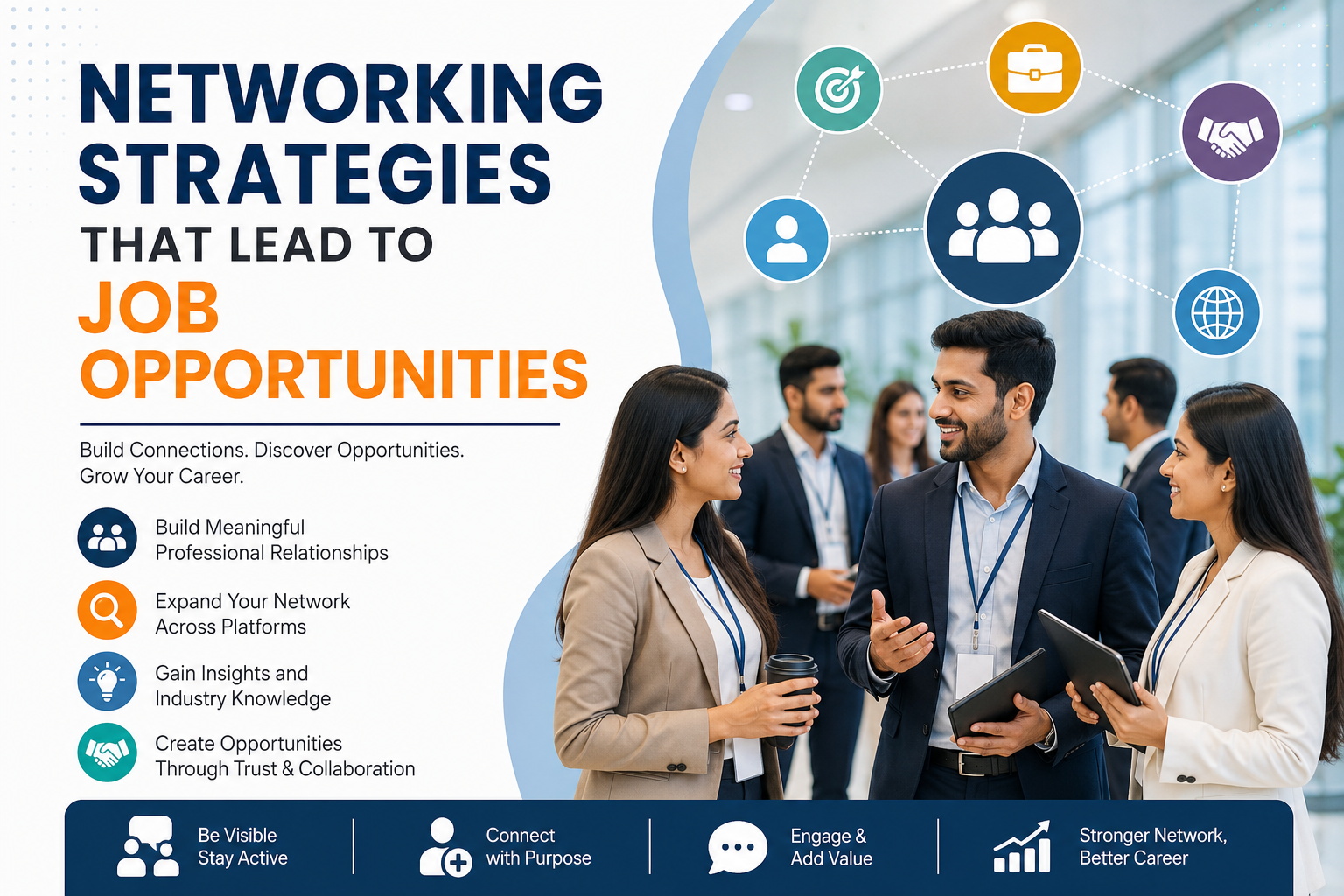
Finding the right job is no longer just about submitting resumes to countless job openings. In today's competitive job market, professional networking has become one of the most effective ways to discover career opportunities. Studies consistently show that many vacancies are filled through referrals, recommendations, and professional connections before they are publicly advertised. This means that building and maintaining a strong professional network can significantly improve your chances of landing your dream job.
Networking is not about asking people for jobs. It is about building genuine relationships, exchanging knowledge, and creating opportunities through meaningful interactions. Whether you are a fresher, an experienced professional, or someone planning a career switch, networking can open doors that traditional job applications often cannot. With platforms like Jobsglint connecting job seekers to verified employers, combining smart networking with strategic job searching can accelerate your career growth.
Understand the Importance of Professional Networking
Professional networking is the process of developing relationships with people who can offer career advice, industry insights, referrals, or employment opportunities. These connections may include former colleagues, classmates, professors, recruiters, industry experts, clients, mentors, and professionals you meet at events or online. Networking helps you stay informed about industry trends, learn about unadvertised job openings, gain valuable career guidance, and increase your professional visibility. Employers are more likely to trust recommendations from people within their network, making referrals one of the fastest ways to secure interviews.
Build a Strong LinkedIn Presence
LinkedIn has become the world's leading professional networking platform. Your LinkedIn profile serves as your digital resume and personal brand. A complete, updated, and professional profile increases your visibility among recruiters and hiring managers.
Use a professional profile photo, write an engaging headline, highlight your skills, achievements, certifications, and work experience, and request recommendations from colleagues or managers. Regularly share industry-related content, comment on professional discussions, and engage with others to remain active within your professional community.
Recruiters frequently search LinkedIn using skill-based keywords, so optimizing your profile with relevant industry terms can improve your chances of being discovered.
Attend Industry Events and Career Fairs
Career fairs, networking meetups, seminars, webinars, conferences, and workshops provide excellent opportunities to meet recruiters and professionals face-to-face. These events allow you to introduce yourself, learn about companies, and build relationships that may lead to future opportunities.
Prepare a brief introduction about yourself before attending any event. Be confident, ask thoughtful questions, exchange contact details, and follow up with the people you meet. Even a short conversation can create a lasting professional connection if handled professionally.
Virtual networking events have also become increasingly popular, making it easier to connect with employers regardless of geographical location.
Stay Connected with Alumni and Former Colleagues
Your college alumni network can be one of your strongest career resources. Alumni often enjoy helping students and fellow graduates by sharing advice, referrals, and industry knowledge. Likewise, former colleagues and managers can recommend you for positions within their current organizations.
Maintain regular communication instead of reaching out only when you need a job. Congratulate them on professional achievements, share useful articles, and stay engaged through occasional conversations. Genuine relationships built over time are far more valuable than one-time requests for assistance.
Join Professional Communities
Every industry has professional associations, online communities, discussion forums, and interest groups where professionals exchange ideas and opportunities. Participating in these communities helps you expand your network beyond your immediate circle.
Join LinkedIn groups, industry forums, local business associations, technology communities, HR networks, or professional organizations related to your career. Share your knowledge, answer questions, and actively participate in discussions. Consistent engagement builds credibility and increases your professional visibility.
Develop Your Personal Brand
Employers often search online before contacting candidates. Your personal brand reflects your expertise, values, communication skills, and professional reputation.
Publish insightful articles, share your learning experiences, showcase completed projects, participate in webinars, or create educational content related to your field. Demonstrating your knowledge positions you as an active professional rather than simply a job seeker.
Building a strong personal brand increases trust among recruiters and helps differentiate you from other candidates competing for similar roles.
Master the Art of Follow-Up
Networking does not end after the first meeting. Following up is essential for maintaining professional relationships. Send a polite thank-you message after meeting someone at an event or after an informative conversation.
Stay connected by occasionally sharing relevant resources, congratulating them on milestones, or checking in professionally. Avoid sending repeated job requests or overly frequent messages. Consistent but respectful communication helps maintain long-term professional relationships.
Offer Value Before Asking for Help
One of the biggest networking mistakes is contacting people only when you need something. Effective networking is built on mutual benefit. Share useful information, recommend resources, celebrate others' achievements, or offer assistance whenever possible.
People are more likely to support professionals who contribute positively to their network rather than those who only seek favors. Building goodwill creates stronger relationships that naturally lead to career opportunities over time.
Use Job Portals Alongside Networking
While networking creates opportunities, job portals remain an essential part of any successful job search strategy. Combining both approaches delivers the best results.
A trusted platform like Jobsglint enables job seekers to discover verified job openings across multiple industries, upload professional resumes, receive relevant job recommendations, and connect directly with recruiters. Keeping your profile updated and applying for suitable positions while simultaneously expanding your professional network increases your chances of receiving interview calls.
Networking may help you hear about an opening, while an updated profile on Jobsglint ensures you are ready to apply immediately.
Be Consistent and Patient
Networking is a long-term investment rather than a quick solution. Building meaningful professional relationships takes time, consistency, and authenticity. Instead of focusing solely on immediate job opportunities, focus on creating lasting connections based on trust and professional respect.
Set small weekly networking goals, such as connecting with new professionals, attending webinars, engaging with industry content, or reconnecting with former colleagues. Over time, these efforts create a strong professional network that continues to generate opportunities throughout your career.
Conclusion
Career success is often influenced not only by what you know but also by who knows your capabilities. Strong professional networking helps you gain valuable industry insights, discover hidden job opportunities, receive trusted referrals, and build a reputation that attracts employers. By maintaining an active LinkedIn presence, participating in professional communities, attending networking events, nurturing existing relationships, and using trusted job platforms like Jobsglint, you can significantly improve your job search outcomes. In an increasingly competitive employment market, networking is no longer optional—it is an essential career skill that can open doors to opportunities you may never find through traditional job applications alone.