Introduction
The mobile app market is more competitive than ever. Businesses are no longer competing only with similar apps; they are competing for users’ attention, time, and loyalty. A well-designed app may attract users initially, but keeping them engaged requires continuous improvement.
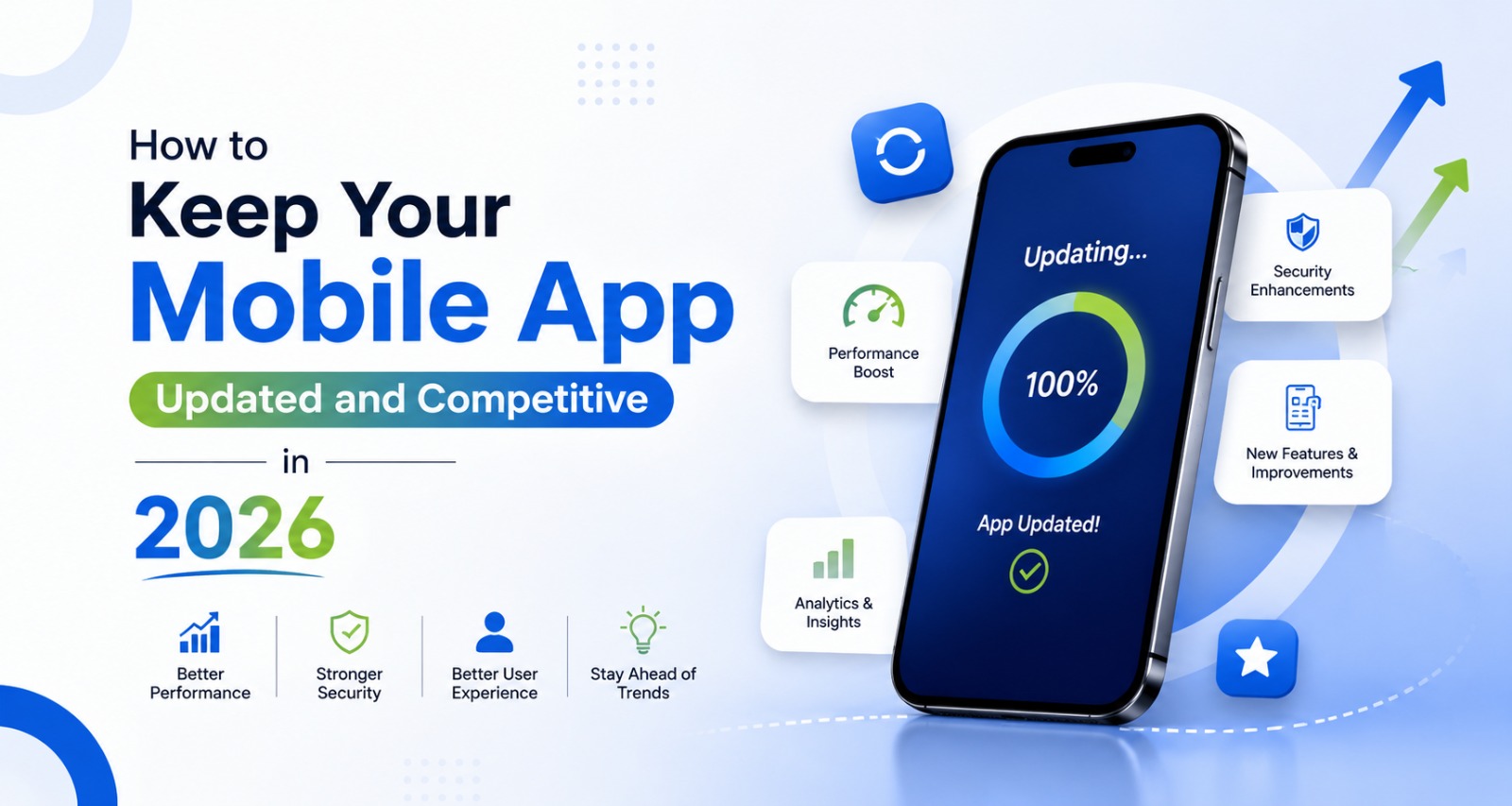
From security updates and performance enhancements to new features and better user experiences, regular app maintenance plays an important role in long-term success. Businesses that treat app development as a one-time project can quickly fall behind changing customer expectations and technology trends.
For businesses working with a technology partner such as Softechedge, continuous development can turn a mobile app into a scalable digital asset that evolves with the market.
1. Monitor User Feedback Regularly
Your users are one of the best sources of information about what needs improvement. Reviews, ratings, support queries, and in-app feedback can reveal usability issues and feature requests.
Analyze recurring complaints and identify the improvements that can have the biggest impact. For example, if users frequently report slow loading or difficulty navigating a particular section, prioritize those issues in the next update.
Listening to users helps businesses create an app based on real-world requirements rather than assumptions.
2. Release Regular Updates
Regular updates demonstrate that an app is actively maintained. Updates can include bug fixes, performance improvements, security patches, design enhancements, and new functionality.
However, frequent updates should have a purpose. Instead of adding features simply to release a new version, businesses should focus on improvements that provide genuine value to users.
A structured update schedule can help development teams test, deploy, and monitor changes efficiently.
3. Prioritize App Security
Security should be an ongoing process, not a one-time task. Mobile apps may handle sensitive information such as user profiles, payment details, passwords, and business data.
Developers should regularly review authentication mechanisms, data protection, API security, permissions, and third-party dependencies. Security vulnerabilities should be addressed as soon as possible.
Keeping frameworks, libraries, SDKs, and other dependencies updated can also reduce security risks and improve compatibility.
4. Improve App Performance
Users expect mobile applications to be fast and responsive. Slow loading screens, crashes, excessive battery consumption, and laggy interactions can negatively affect the overall experience.
Businesses should regularly monitor key performance indicators such as app startup time, crash rates, response times, and resource consumption.
Optimizing images, reducing unnecessary processes, improving code efficiency, and using appropriate backend infrastructure can help deliver a smoother experience.
5. Keep the User Experience Fresh
An app can become outdated even when its functionality still works. Design trends, user expectations, and interaction patterns continue to evolve.
Regularly review your app’s navigation, interface, accessibility, typography, layouts, and overall usability. A clean and intuitive interface can make it easier for users to discover features and complete tasks.
A UI/UX refresh does not always require a complete redesign. Small improvements can make a significant difference when they are based on user behavior and feedback.
6. Add Features That Solve Real Problems
New features can help an app remain competitive, but adding too many features can make an application complicated.
Before introducing a new feature, consider questions such as: Does it solve a genuine customer problem? Does it support the business objective? Will users understand how to use it?
Features such as personalized recommendations, smart search, in-app support, digital payments, analytics, or AI-powered functionality can add value when implemented thoughtfully.
The goal should be useful innovation, not feature overload.
7. Optimize for New Devices and Operating Systems
Android and iOS platforms regularly introduce new versions, devices, APIs, and system requirements. An app that is not maintained may eventually face compatibility issues.
Development teams should test applications across relevant devices and operating-system versions. This helps ensure that layouts, features, permissions, notifications, and integrations continue to work properly.
Compatibility testing is particularly important when an app serves users across multiple device categories.
8. Use Analytics to Make Smarter Decisions
App analytics can show how users actually interact with your product. Businesses can track metrics such as active users, retention, session duration, conversion rates, feature usage, and drop-off points.
These insights can help identify which features are performing well and where users are experiencing friction. Instead of relying entirely on assumptions, businesses can use data to decide which improvements should receive priority in future releases.
9. Stay Updated With Technology Trends
Technology is constantly changing. Artificial intelligence, cloud services, automation, advanced analytics, and improved mobile frameworks are creating new opportunities for app businesses.
You do not need to adopt every new trend. Instead, evaluate emerging technologies based on their relevance to your users and business goals.
The right technology can improve personalization, automation, customer support, security, or operational efficiency.
10. Work With an Experienced App Development Partner
Maintaining a competitive mobile app requires continuous technical expertise. From development and testing to security, performance optimization, and updates, every stage contributes to the app’s long-term success.
Partnering with an experienced technology company can help businesses establish a structured maintenance and improvement strategy.
Softechedge can support businesses with app development and technology solutions designed around their specific digital requirements, helping them improve performance, adopt relevant technologies, and build scalable applications.
Conclusion
Launching a mobile app is only the beginning. To remain competitive, businesses need to continuously listen to users, improve performance, strengthen security, introduce meaningful features, and adapt to changing technologies.
A successful mobile app evolves with its users and the market. With a consistent update strategy and the right development expertise, businesses can turn their app into a reliable, engaging, and long-term digital growth platform.
Keep improving. Keep innovating. Keep your app competitive with Softechedge.