Introduction
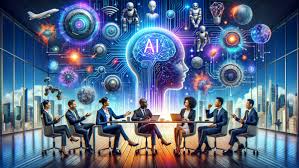
AI Automation simply means
using artificial intelligence to perform tasks that usually require human
effort—such as responding to customers, analyzing data, or managing
workflows—automatically and intelligently. Today, small and medium enterprises
(SMEs) are adopting AI faster than ever because they need to do more with fewer
resources. Without automation, SMEs often struggle with manual work,
inefficiencies, rising costs, delayed decisions, and inconsistent customer
experiences.
What Is AI Automation?
AI Automation is the
combination of artificial intelligence with automation technologies to handle
tasks, make decisions, and improve processes with minimal human intervention.
Unlike traditional automation, which follows fixed rules, AI automation can learn
from data, adapt to changes, and improve over time.
Key technologies involved include Artificial Intelligence (AI), Machine
Learning (ML), Natural Language Processing (NLP), and Robotic Process
Automation (RPA). Together, they enable systems to understand language, analyze
patterns, and execute actions intelligently.
Why AI Automation Matters for SMEs
SMEs typically operate with
limited budgets, smaller teams, and high competition. AI automation helps
overcome manpower constraints by taking over repetitive and time-consuming
tasks. Customer expectations are also rising—people want faster responses, personalized
service, and accuracy. AI enables SMEs to deliver speed, consistency, and
scalability without increasing operational costs.
Key Areas Where AI Automation Is Transforming SMEs
1.Marketing & Sales- AI-powered tools automate
email campaigns, CRM updates, and follow-ups. Lead scoring and customer
segmentation help sales teams focus on high-quality prospects. Chatbots and AI
sales assistants engage website visitors, answer queries, and even qualify leads—24/7.
2.Customer Support-
AI chatbots and virtual
assistants provide instant responses at any time, reducing wait times.
Automated ticket routing ensures customer issues reach the right team quickly.
This improves response time, lowers support costs, and boosts customer
satisfaction.
3.Operations & Process Management-
AI automation streamlines
workflows and task management by removing manual dependencies. Predictive
maintenance and demand forecasting help businesses plan better and reduce
downtime. Automation also minimizes human errors, leading to smoother
operations.
4.Finance & Accounting-
Automated invoicing, expense
tracking, and data entry save significant time. AI helps detect unusual
transactions, reducing fraud risks. Financial forecasting and faster compliance
reporting give SME owners better control over cash flow and decision-making.
5.Human Resources (HR)-
AI tools screen resumes,
shortlist candidates, and speed up recruitment. Employee onboarding and
training can be automated with AI-driven learning systems. Performance tracking
and analytics help HR teams make data-based decisions.
Benefits of AI Automation for Small and Medium
Businesses
AI automation reduces
operational costs while improving efficiency and productivity. It enables
smarter decisions through real-time data insights, enhances customer experience
with faster and personalized interactions, and supports business scalability without
proportional increases in staff or expenses.
Real-World Examples of AI Automation in SMEs
A small retail business uses
AI-based inventory management to avoid stock shortages and overstocking. A
service-based SME deploys chatbots to generate and qualify leads automatically.
An accounting firm automates data entry and reporting, saving hours of manual
work every week.
Common Challenges and Risks
Despite its benefits, AI
automation comes with challenges such as initial investment costs, data privacy
and security concerns, lack of technical expertise, and employee resistance to
change. Addressing these issues with proper planning and training is essential.
How SMEs Can Start with AI Automation
(Step-by-Step)
SMEs should begin by
identifying repetitive, high-impact processes. Choosing affordable and
easy-to-use AI tools is crucial. Starting with small pilot projects helps
reduce risk. Training employees and measuring return on investment (ROI)
ensures long-term success.
Best AI Automation Tools for SMEs
No-code and low-code
platforms make AI accessible without deep technical skills. There are
specialized AI tools for marketing, HR, finance, and operations. SMEs should
select tools based on ease of use, scalability, integration, and cost.
Future of AI Automation for SMEs
AI automation will continue
to evolve with smarter analytics, deeper personalization, and wider adoption.
SMEs that embrace these trends early will stay competitive. While some job
roles may change, new skills and opportunities will emerge.
Conclusion
AI automation is no longer
optional—it is a growth enabler for SMEs. By adopting AI thoughtfully, small
businesses can improve efficiency, enhance customer experience, and scale
sustainably. The next step is clear: learn, implement, and train to unlock the
full potential of AI automation.